9/11 Mini Concert まであと4日
2019-09-07
鎌倉での練習も佳境(?)に入り、本日御成小学校での練習。遅れて行ってるのに、昨日手に入れた植物を調べるアプリを試しながら歩くフトドキモノ。歌はだいぶ良くなってきた。でも準備の期間が短すぎる。


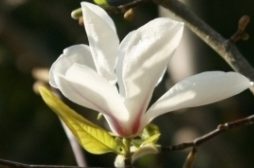
鎌倉での練習も佳境(?)に入り、本日御成小学校での練習。遅れて行ってるのに、昨日手に入れた植物を調べるアプリを試しながら歩くフトドキモノ。歌はだいぶ良くなってきた。でも準備の期間が短すぎる。
Twitterで好きなアカウントのひとつが”Literature Interest” たぶん英国の人(会社)のサイト。時々しかツイートはないけど珠玉のツイートがある。そのうちのひとつが季節の詩。

August 28, 2019 3:00 pm
This is the latest in our monthly posts celebrating some of the best poems about each of the months of the year. This time, of course, it’s September’s turn: that point where summer may still linger on, but autumn is beginning to rear its head. The harvest is being gathered, and that ‘season of mists and mellow fruitfulness’ is upon us, in John Keats’s immortal words. Here’s our pick of the best poems about the month of September.
William Wordsworth, ‘September, 1819’. ‘Departing summer hath assumed / An aspect tenderly illumed, / The gentlest look of spring; / That calls from yonder leafy shade / Unfaded, yet prepared to fade, / A timely carolling.’ So begins this Romantic meditation on the arrival of autumn, in which Wordsworth detects an echo of spring in the mellowing nature of everything.
| September, 1819 | |
| Departing summer hath assumed An aspect tenderly illumed, The gentlest look of spring; That calls from yonder leafy shade Unfaded, yet prepared to fade, A timely carolling. No faint and hesitating trill, Such tribute as to winter chill The lonely redbreast pays! Clear, loud, and lively is the din, From social warblers gathering in Their harvest of sweet lays. Nor doth the example fail to cheer Me, conscious that my leaf is sere, And yellow on the bough:— Fall, rosy garlands, from my head! Ye myrtle wreaths, your fragrance shed Around a younger brow! Yet will I temperately rejoice; Wide is the range, and free the choice Of undiscordant themes; Which, haply, kindred souls may prize Not less than vernal ecstasies, And passion’s feverish dreams. For deathless powers to verse belong, And they like Demi-gods are strong On whom the Muses smile; But some their function have disclaimed, Best pleased with what is aptliest framed To enervate and defile. Not such the initiatory strains Committed to the silent plains In Britain’s earliest dawn: Trembled the groves, the stars grew pale, While all-too-daringly the veil Of nature was withdrawn! Nor such the spirit-stirring note When the live chords Alcæus smote, Inflamed by sense of wrong; Woe! woe to Tyrants! from the lyre Broke threateningly, in sparkles dire Of fierce vindictive song. And not unhallowed was the page By wingèd Love inscribed, to assuage The pangs of vain pursuit; Love listening while the Lesbian Maid With finest touch of passion swayed Her own Æolian lute. O ye, who patiently explore The wreck of Herculanean lore, What rapture! could ye seize Some Theban fragment, or unroll One precious, tender-hearted scroll Of pure Simonides. That were, indeed, a genuine birth Of poesy; a bursting forth Of genius from the dust: What Horace gloried to behold, What Maro loved, shall we enfold? Can haughty Time be just! |
Helen Hunt Jackson, ‘September’. Jackson (1830-85) was an exact contemporary of Emily Dickinson – she was born the same year and died just one year before her more famous fellow American poet – but she’s far less well-known. As well as being a poet, Jackson was also a novelist as well as an activist who campaigned on behalf of Native Americans. Her Calendar of Sonnetsoffered a sonnet for every month of the year, accompanied by related illustrations. In ‘September’, however, Jackson writes not a sonnet but a poem of quatrains, in which she muses upon ‘the secret / Which makes September fair.’
| SEPTEMBER by: Helen Hunt Jackson (1830-1885) | |
| HE golden-rod is yellow; The corn is turning brown; The trees in apple orchards With fruit are bending down. The gentian’s bluest fringes Are curling in the sun; In dusty pods the milkweed Its hidden silk has spun. The sedges flaunt their harvest, In every meadow nook; And asters by the brook-side Make asters in the brook. From dewy lanes at morning The grapes’ sweet odors rise; At noon the roads all flutter With yellow butterflies. By all these lovely tokens September days are here, With summer’s best of weather, And autumn’s best of cheer. But none of all this beauty Which floods the earth and air Is unto me the secret Which makes September fair. ‘T is a thing which I remember; To name it thrills me yet: One day of one September I never can forget. Read more at http://www.poetry-archive.com/j/september.html#GTU9uyYvlYJgXKc8.99 |

W. B. Yeats, ‘September 1913’. A slightly different meditation on September, this, from arguably Ireland’s most famous poet, W. B. Yeats (1865-1939). Meditating on the situation in Ireland in September 1913, Yeats laments a lost past for his home country, concluding that ‘Romantic Ireland’s dead and gone, / It’s with O’Leary in the grave.’
| September 1913 | |
| What need you, being come to sense, But fumble in a greasy till And add the halfpence to the pence And prayer to shivering prayer, until You have dried the marrow from the bone; For men were born to pray and save: Romantic Ireland’s dead and gone, It’s with O’Leary in the grave. Yet they were of a different kind, The names that stilled your childish play, They have gone about the world like wind, But little time had they to pray For whom the hangman’s rope was spun, And what, God help us, could they save? Romantic Ireland’s dead and gone, It’s with O’Leary in the grave. Was it for this the wild geese spread The grey wing upon every tide; For this that all that blood was shed, For this Edward Fitzgerald died, And Robert Emmet and Wolfe Tone, All that delirium of the brave? Romantic Ireland’s dead and gone, It’s with O’Leary in the grave. Yet could we turn the years again, And call those exiles as they were In all their loneliness and pain, You’d cry, ‘Some woman’s yellow hair Has maddened every mother’s son’: They weighed so lightly what they gave. But let them be, they’re dead and gone, They’re with O’Leary in the grave. |
Lucy Maud Montgomery, ‘September’. Montgomery (1874-1942) is best-known for her classic novel for children, Anne of Green Gables, set in Montgomery’s own country of Canada (on Prince Edward Island). But Montgomery was also a poet, and in this short poem about September she pays tribute to the ‘late delight / Atoning in its splendor for the flight / Of summer blooms and joys – / This is September.’
| September | |
| Lo! a ripe sheaf of many golden days Gleaned by the year in autumn’s harvest ways, With here and there, blood-tinted as an ember, Some crimson poppy of a late delight Atoning in its splendor for the flight Of summer blooms and joys This is September. |
Sara Teasdale, ‘September Midnight’. Listening to the chirruping and clicking insects at midnight on a warm late summer’s night – for this is an ‘Indian Summer’, and the warm summer weather has lasted into early autumn – Teasdale (1884-1933) hopes to remember the ‘voices’ of the little insects as summer fades: ‘Lyric night of the lingering Indian Summer, / Shadowy fields that are scentless but full of singing, / Never a bird, but the passionless chant of insects, / Ceaseless, insistent.’
| September Midnight | |
| Lyric night of the lingering Indian Summer, Shadowy fields that are scentless but full of singing, Never a bird, but the passionless chant of insects, Ceaseless, insistent. The grasshopper’s horn, and far-off, high in the maples, The wheel of a locust leisurely grinding the silence Under a moon waning and worn, broken, Tired with summer. Let me remember you, voices of little insects, Weeds in the moonlight, fields that are tangled with asters, Let me remember, soon will the winter be on us, Snow-hushed and heavy. Over my soul murmur your mute benediction, While I gaze, O fields that rest after harvest, As those who part look long in the eyes they lean to, Lest they forget them. | |
| Sara Teasdale was born in St. Louis, Missouri to a wealthy family. As a young woman she traveled to Chicago and grew acquainted with Harriet Monroe and the literary circle around Poetry. Teasdale wrote seven books of poetry in her lifetime and received public admiration for her well-crafted lyrical poetry which centered on a woman’s changing perspectives on beauty, love, and death. |
Geoffrey Hill, ‘September Song’. Another different take on September: beginning with the birth and death dates of a child who, we are told, was ‘deported’ in September 1942, ‘September Song’ addresses one of the most difficult subjects for a poet to write about: the Holocaust. As we read on, we realise that ‘deported’ is a military euphemism, and the child was in fact killed in 1942, aged just ten years old, presumably in one of Nazi Germany’s concentration camps. The reference to September ‘fatten[ing] on vines’ draws upon the natural imagery of early autumn to reflect on the horrors and atrocities of the Second World War.
| September Song | |
| Undesirable you may have been, untouchable you were not. Not forgotten or passed over at the proper time. As estimated, you died. Things marched, sufficient, to that end. Just so much Zyklon and leather, patented terror, so many routine cries. (I have made an elegy for myself it is true) September fattens on vines. Roses flake from the wall. The smoke of harmless fires drifts to my eyes. This is plenty. This is more than enough. | Known as one of the greatest poets of his generation writing in English, and one of the most important poets of the 20th century, Geoffrey Hill lived a life dedicated to poetry and scholarship, morality and faith. He was born in 1932 in Worcestershire, England to a working-class family. He attended Oxford University, where his work was first published by the U.S. poet Donald Hall. These poems later collected in For the Unfallen: Poems 1952-1958 marked an astonishing debut. |
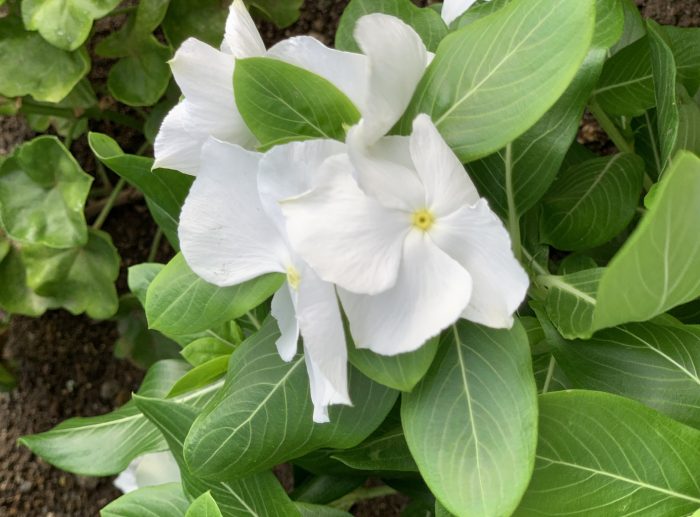
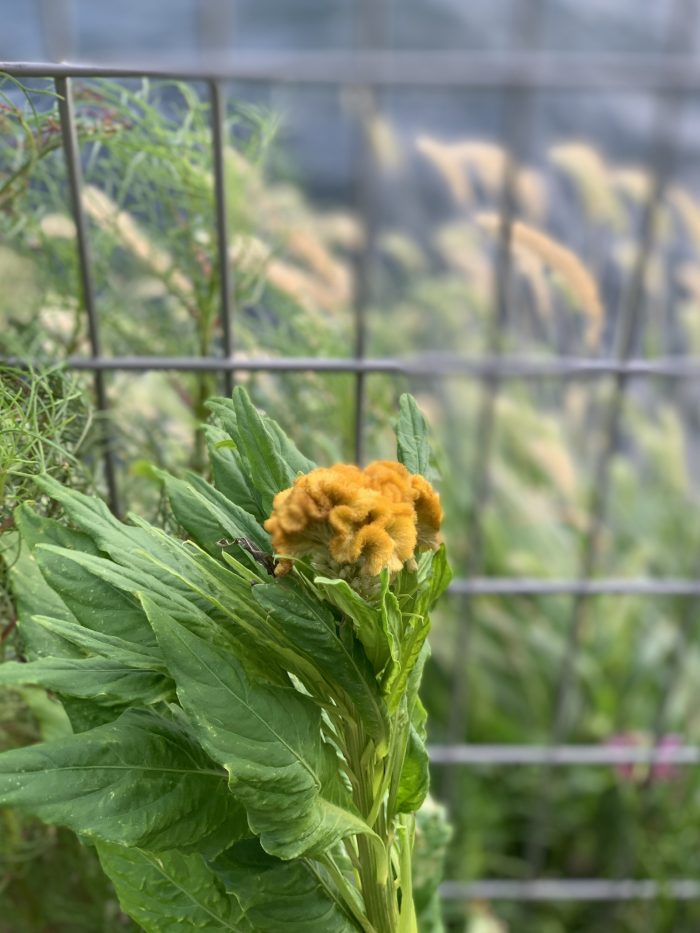
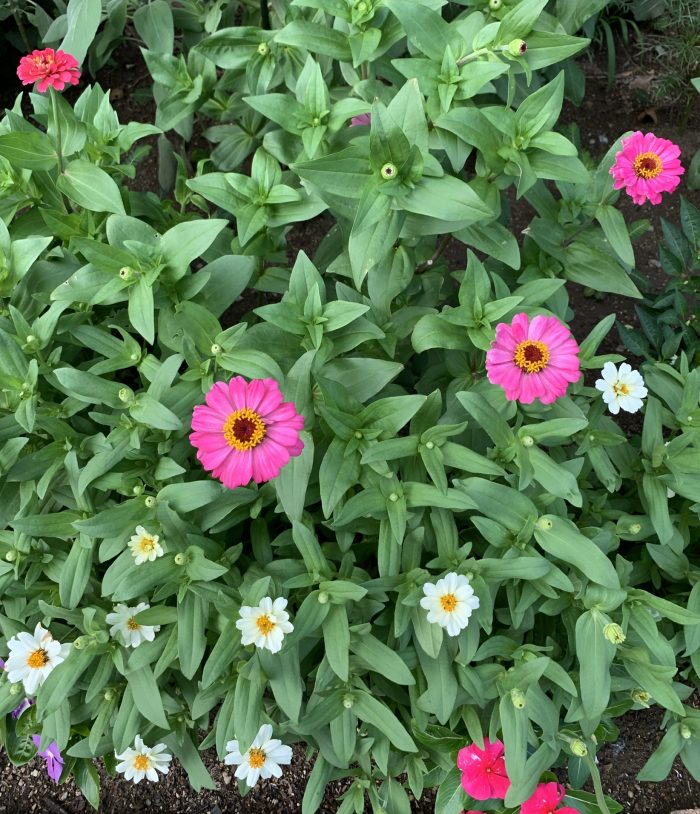
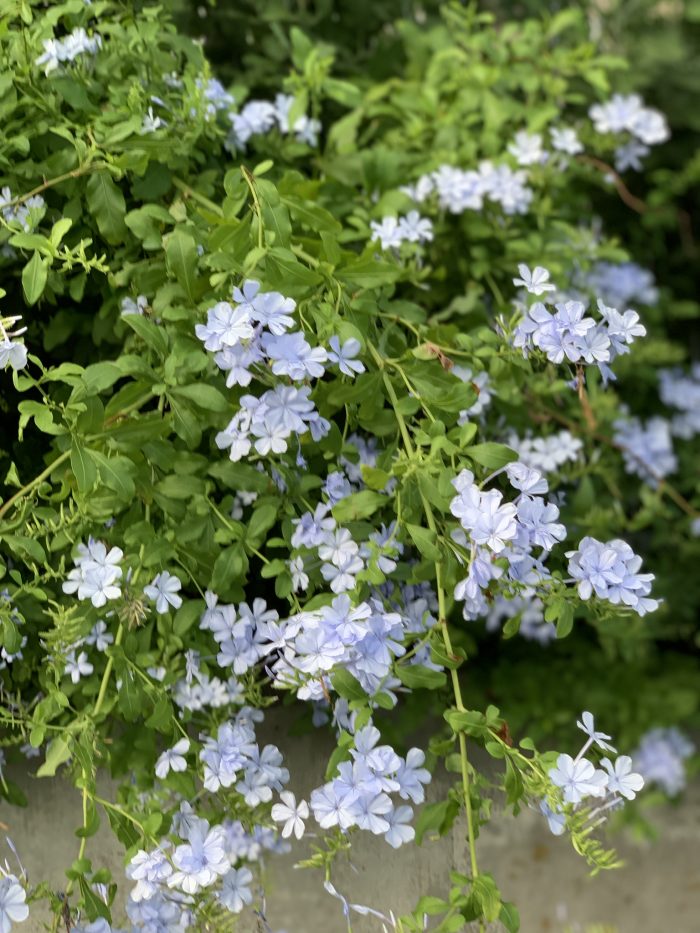
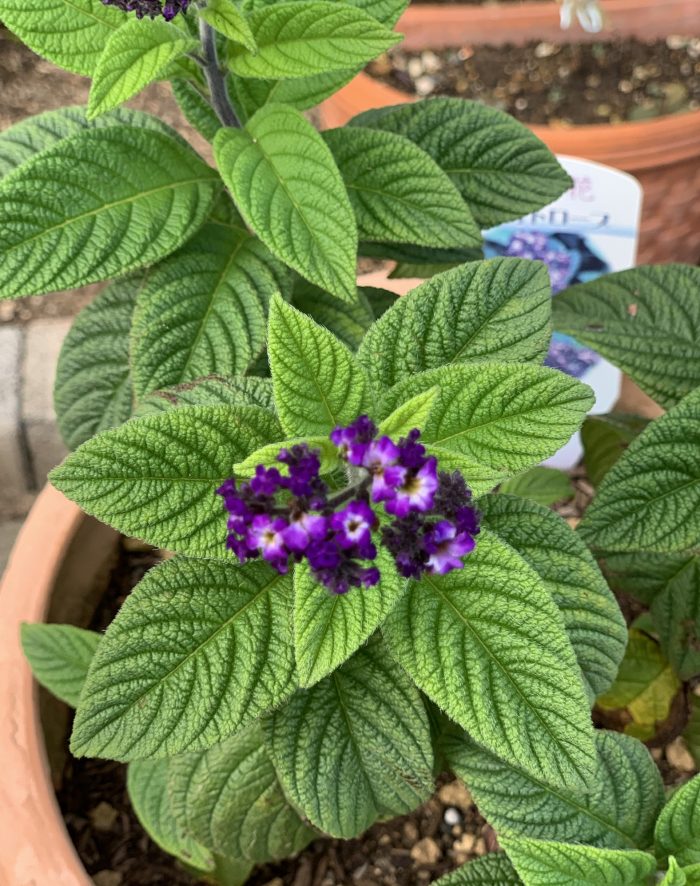
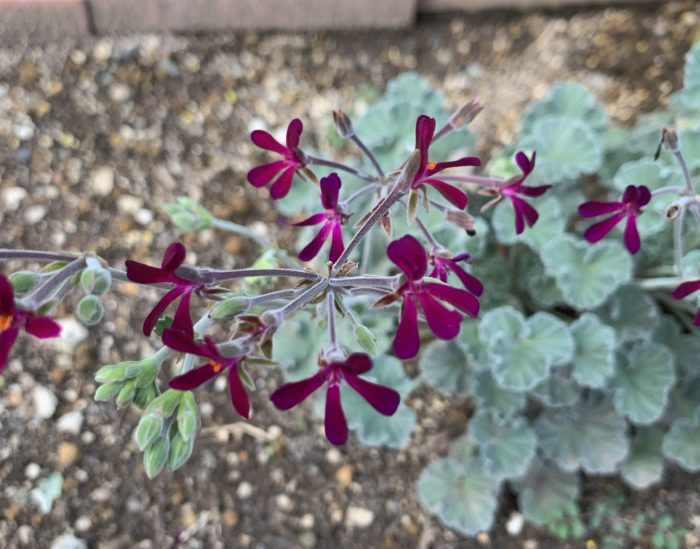
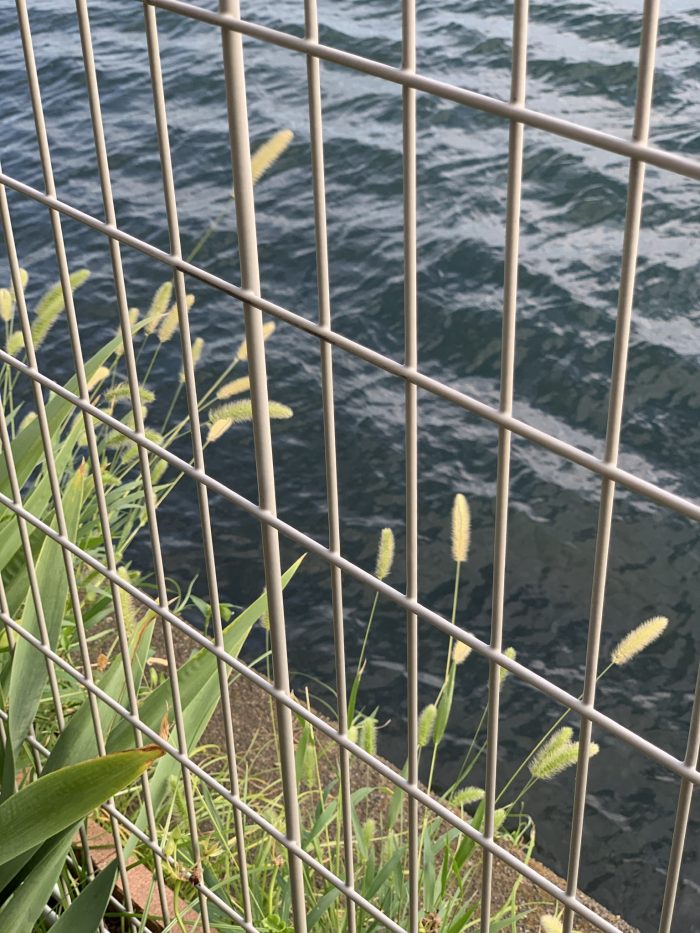
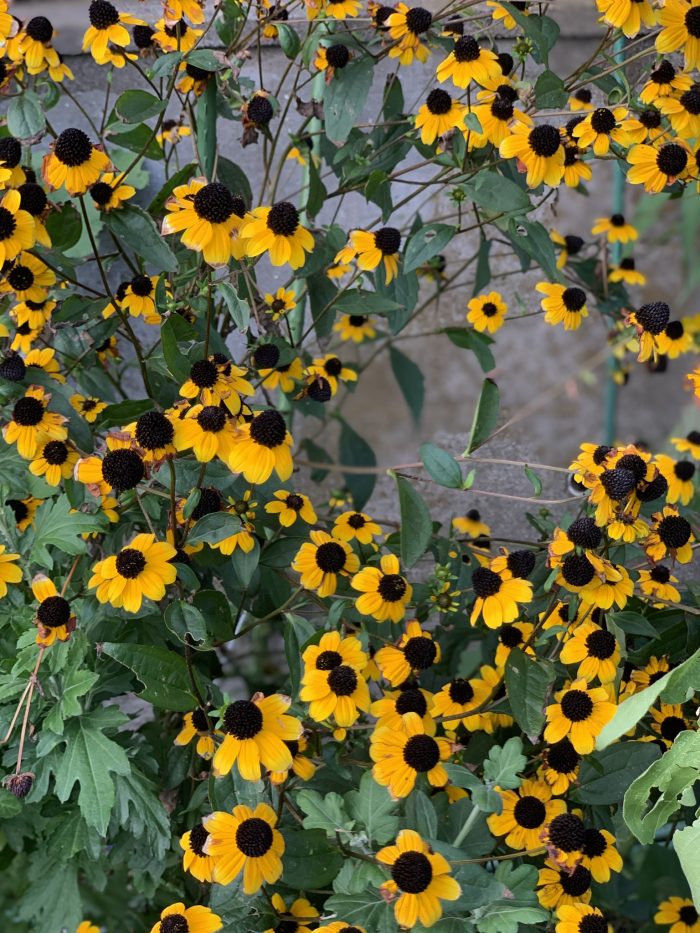
土曜日のコーラスのあと、風が吹く平潟湾沿いの花畑を友人と歩いた。ひまわり、コスモス、女郎花、桔梗、薔薇、百日草、母が好きだったヘリオトロープ・・・など。もう、秋の花も咲いている。

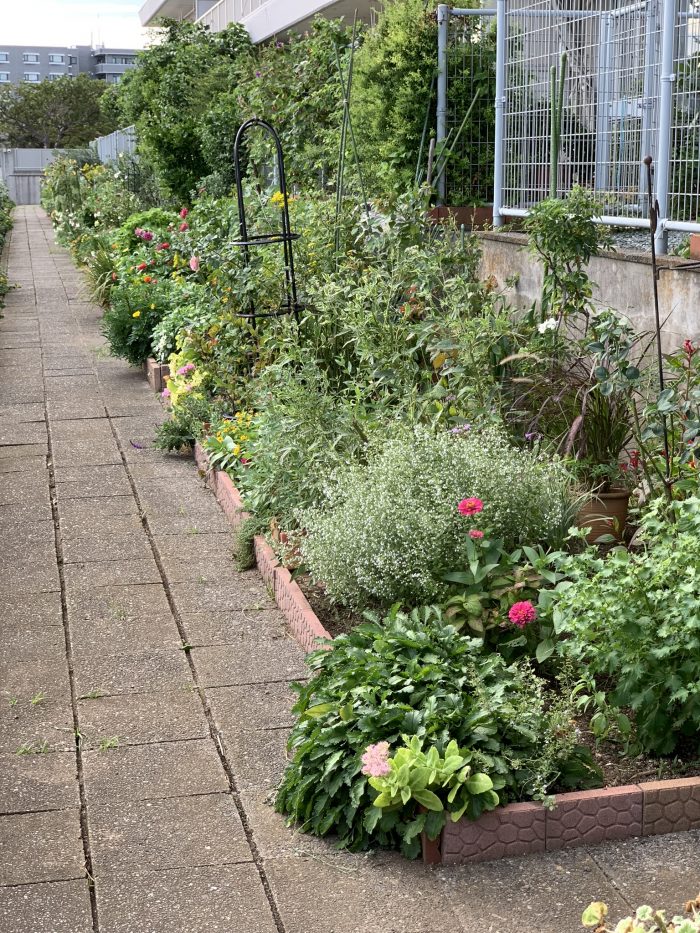
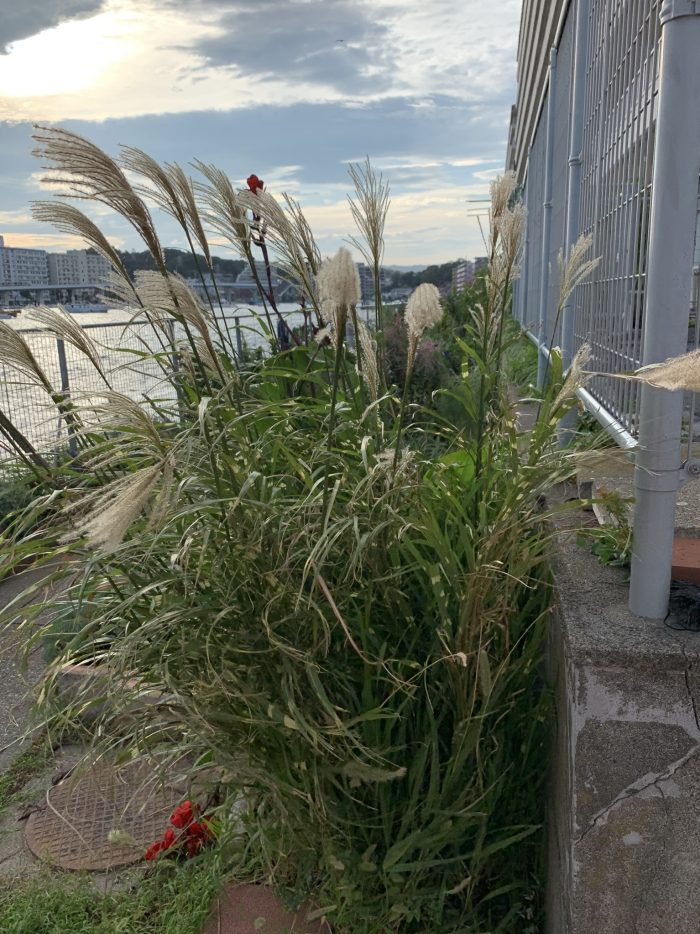
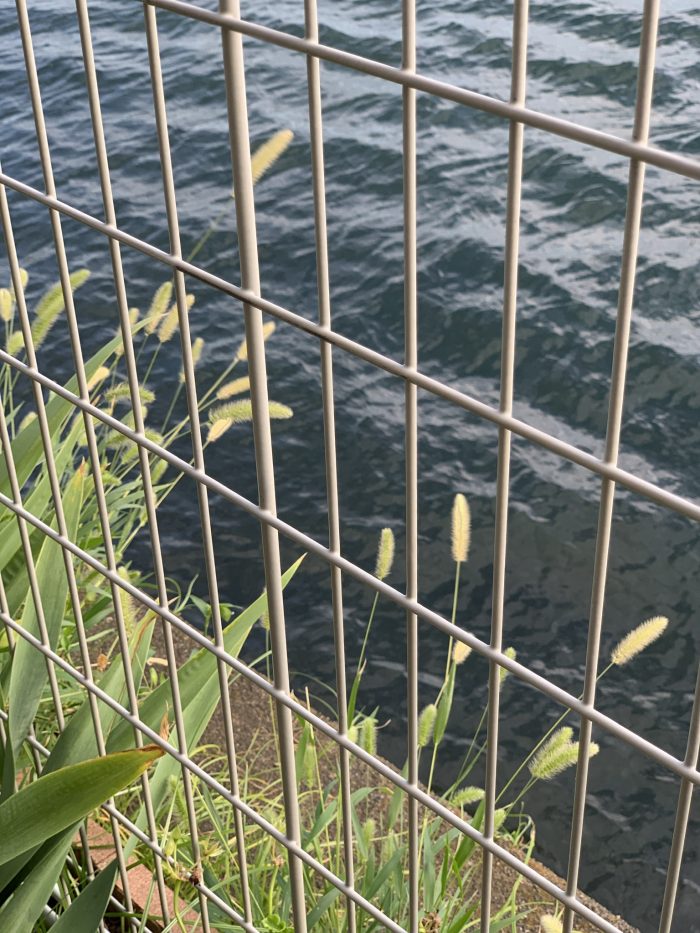

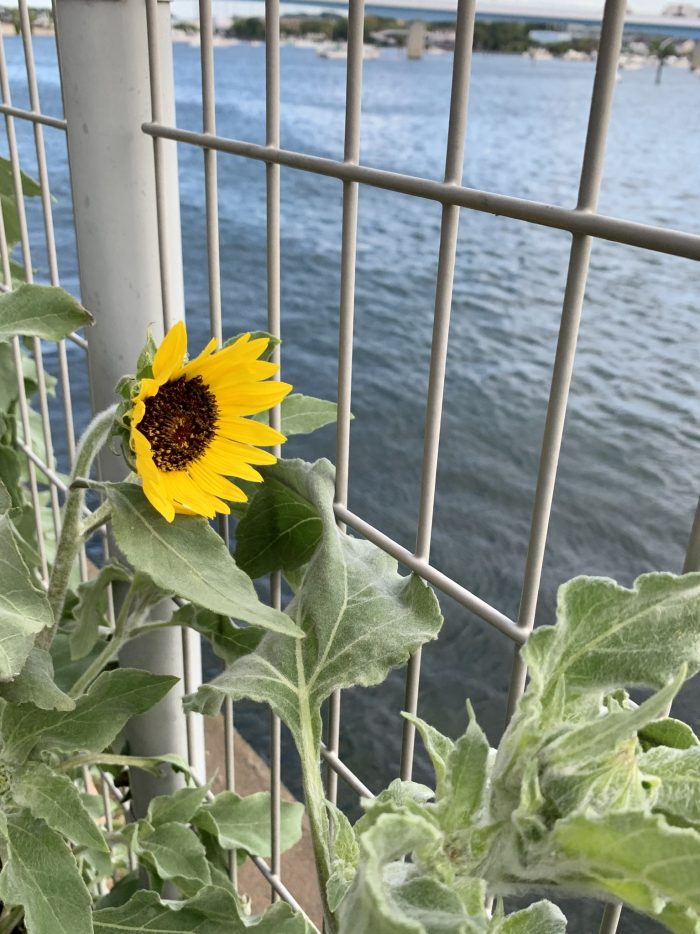

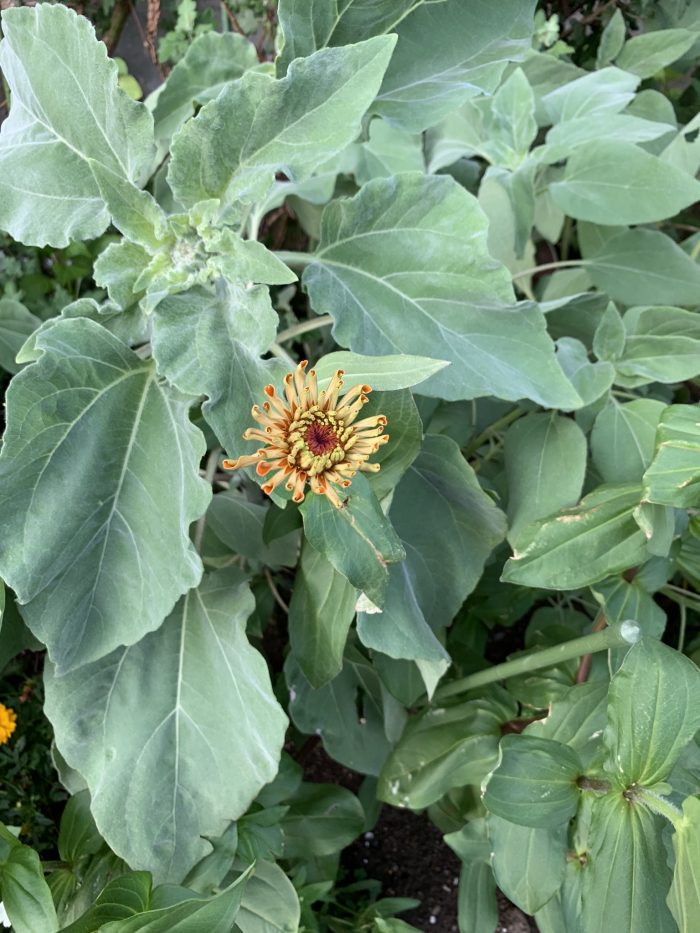
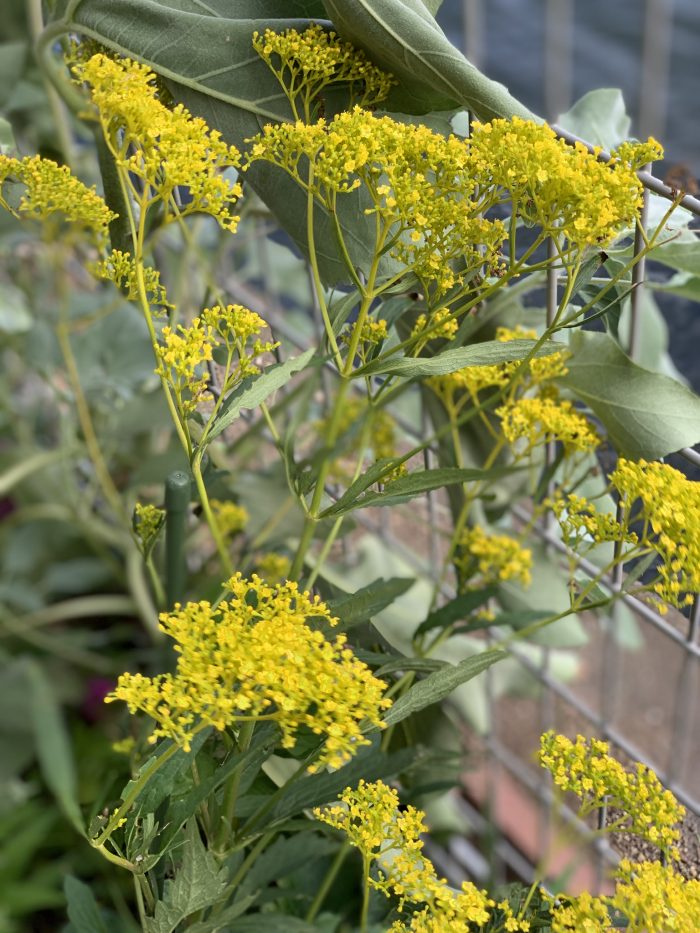
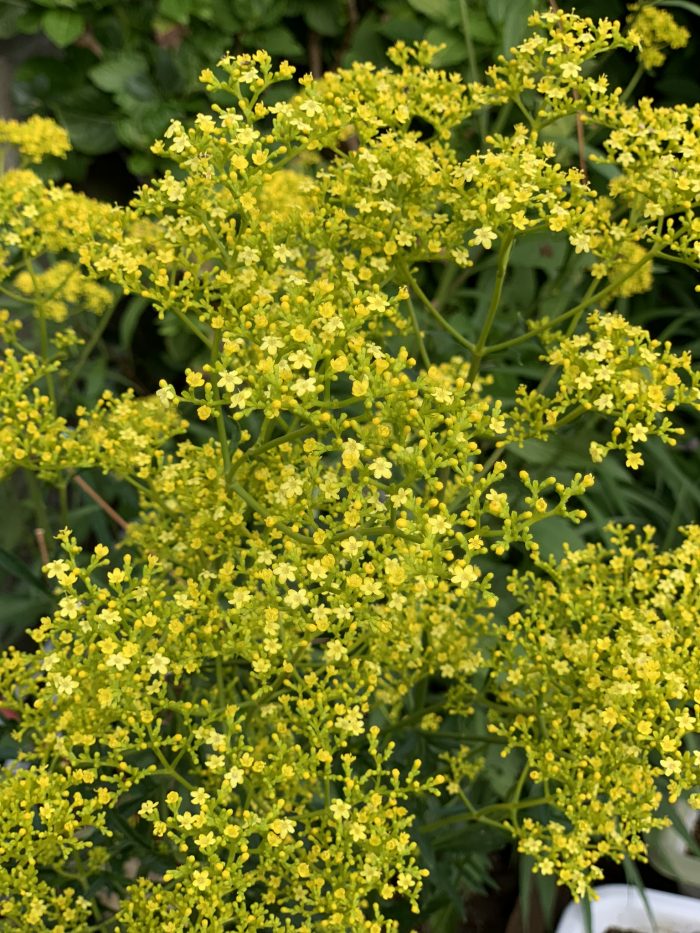
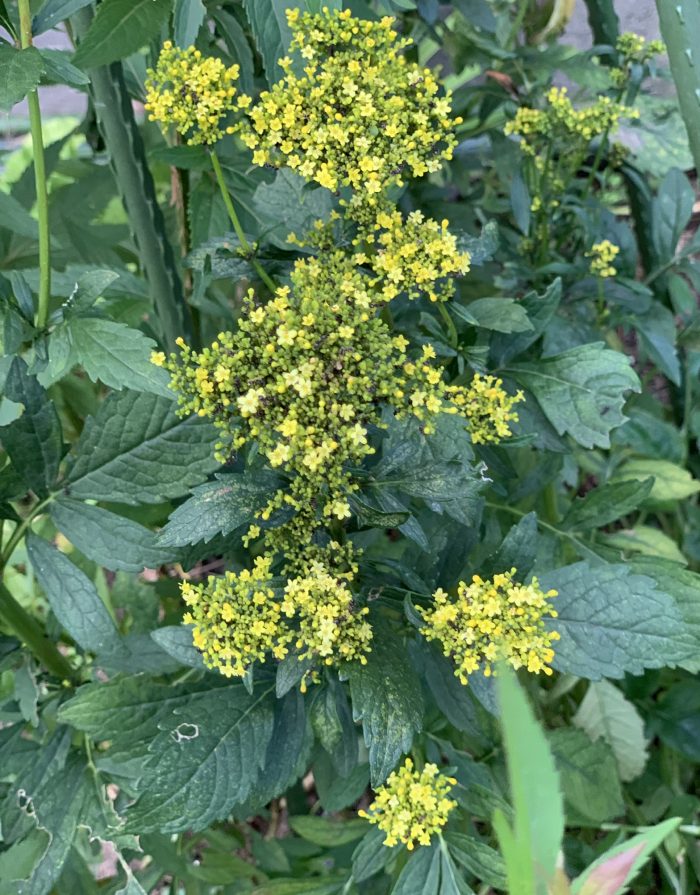
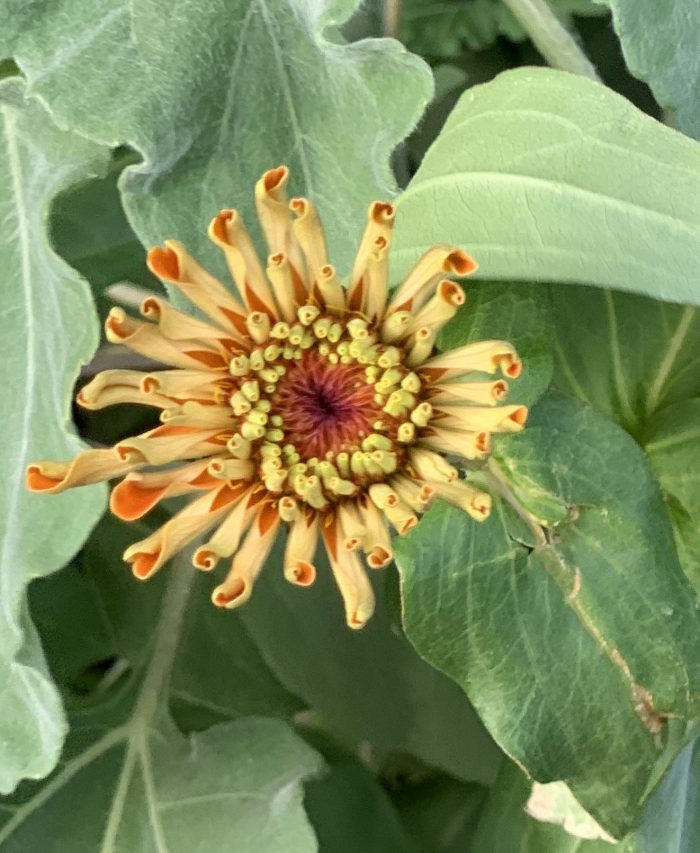
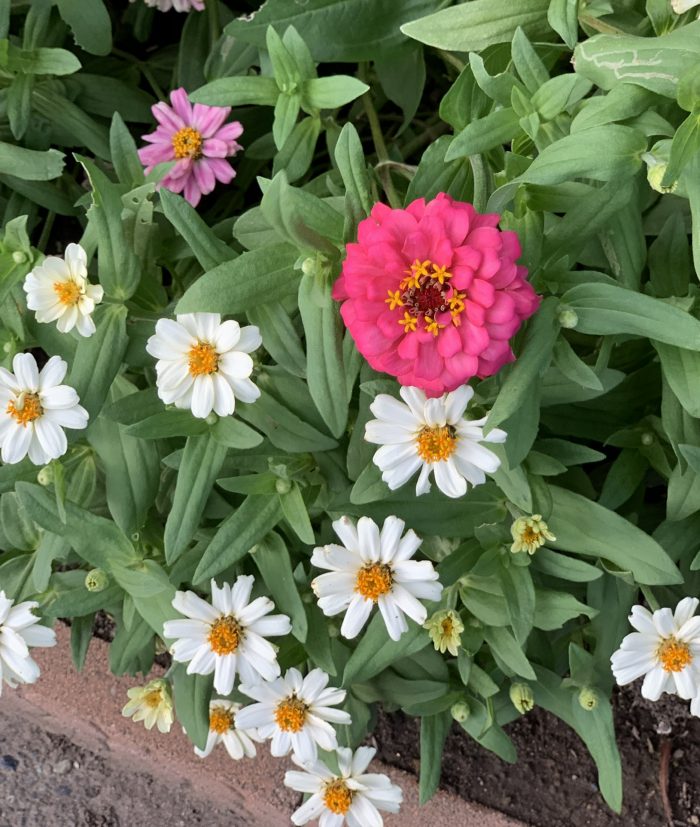
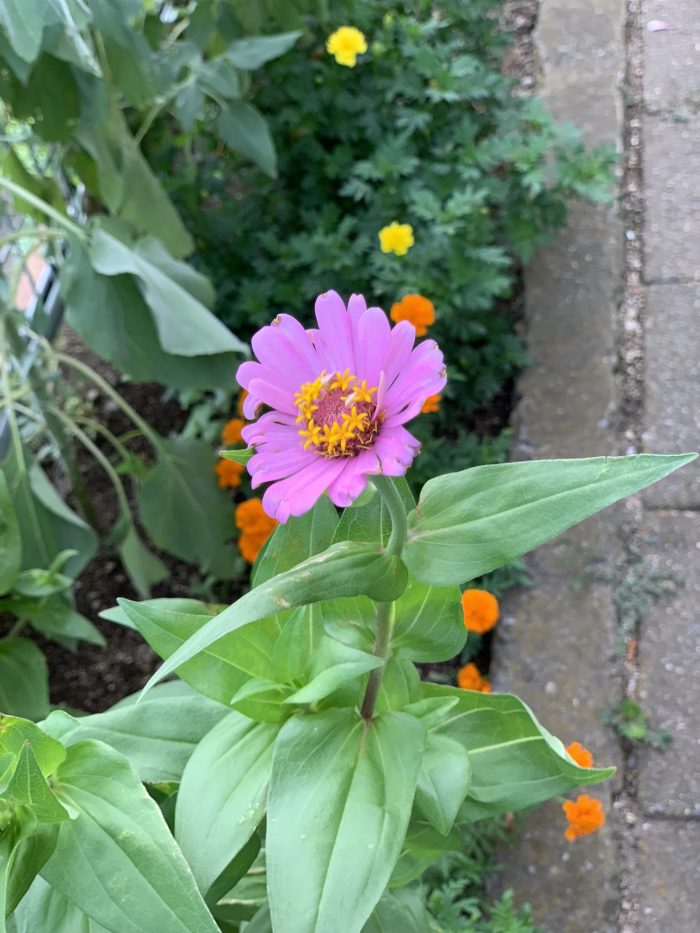
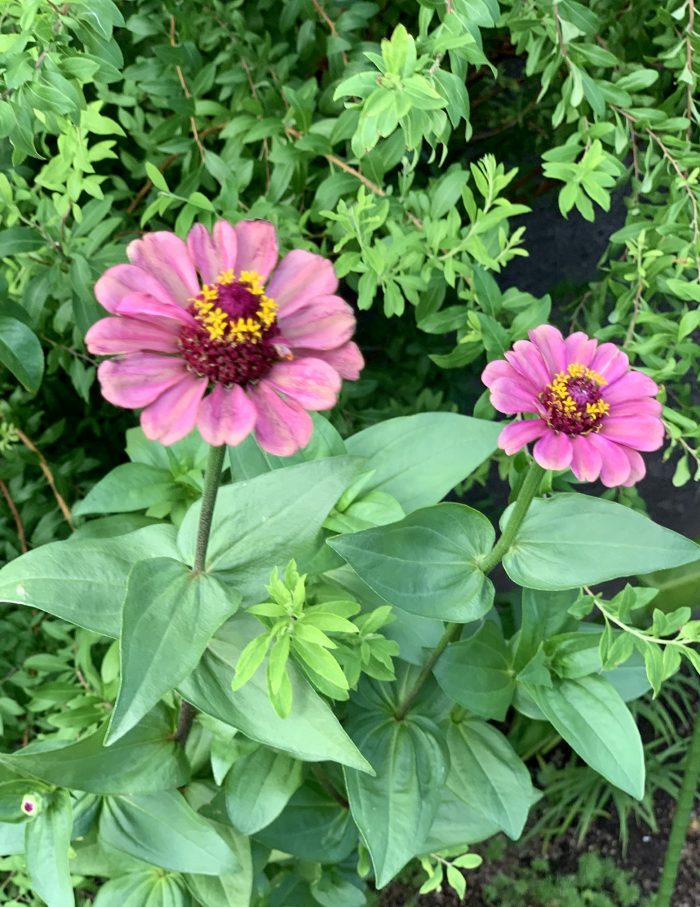
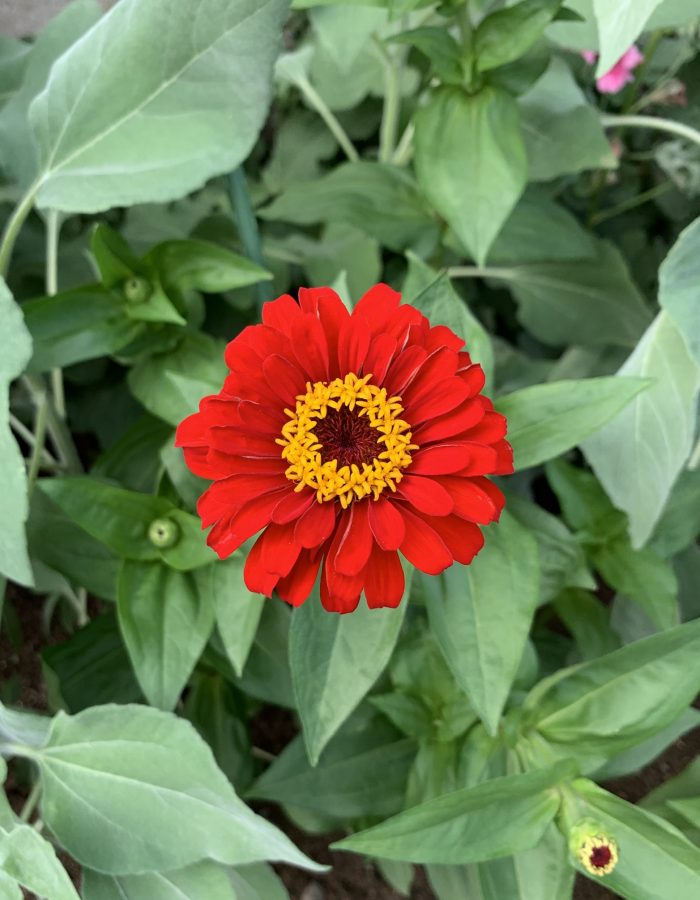
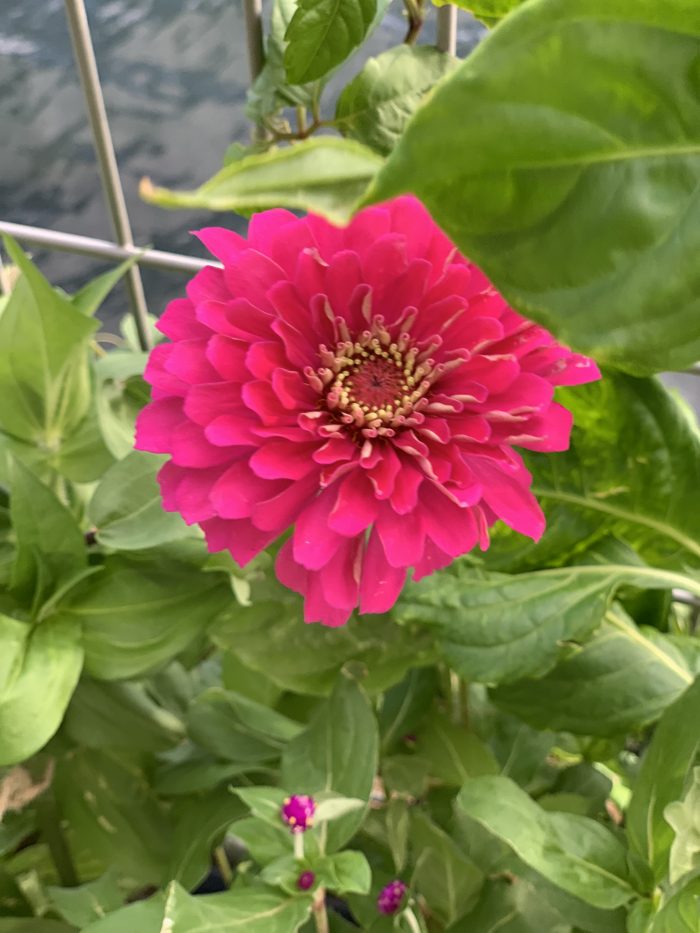
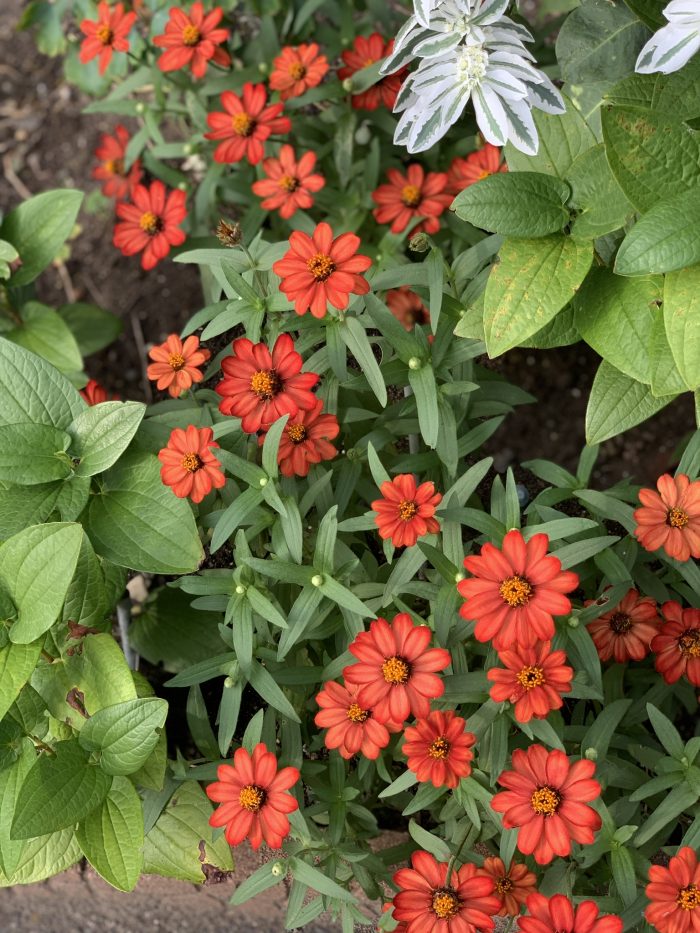
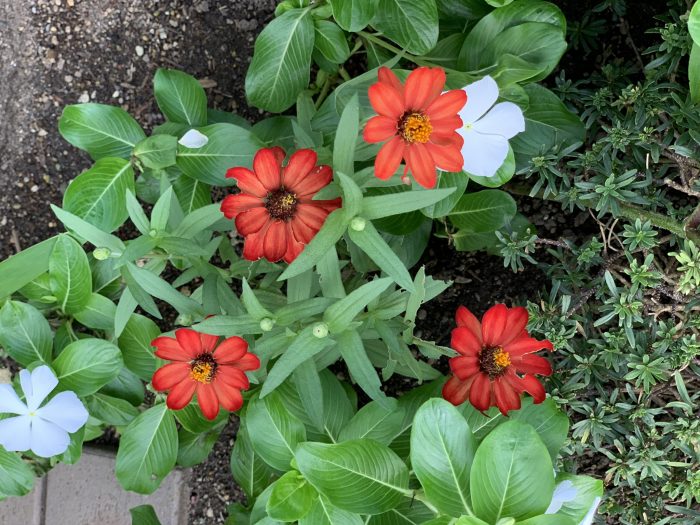
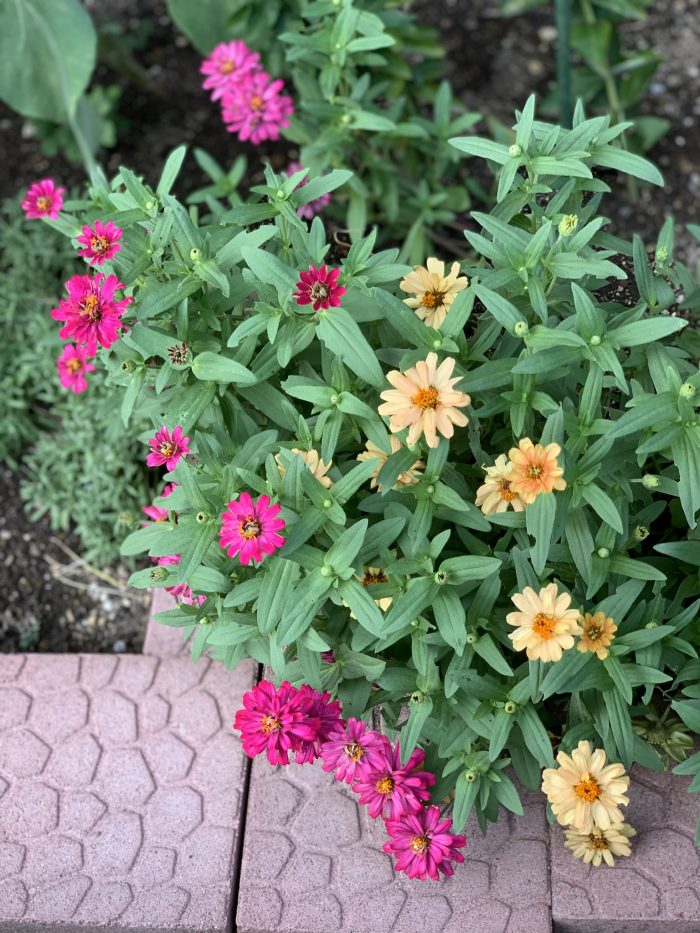
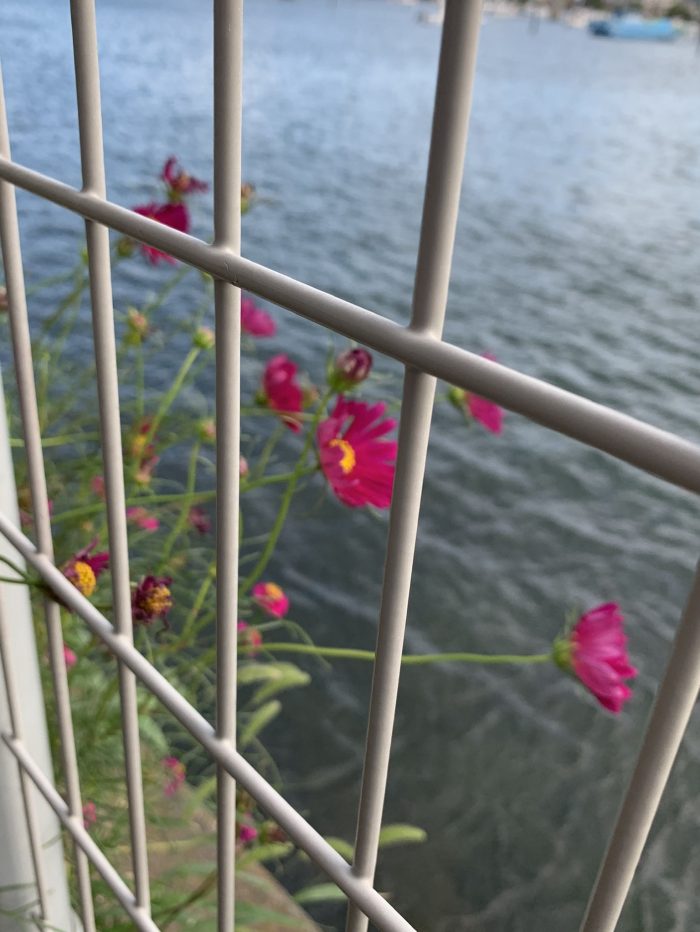
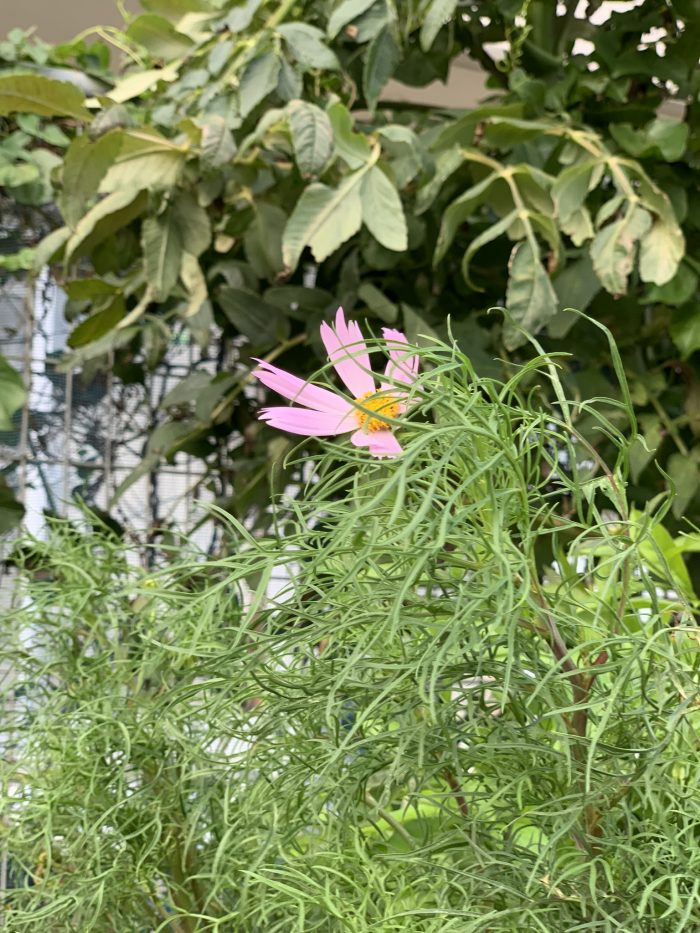
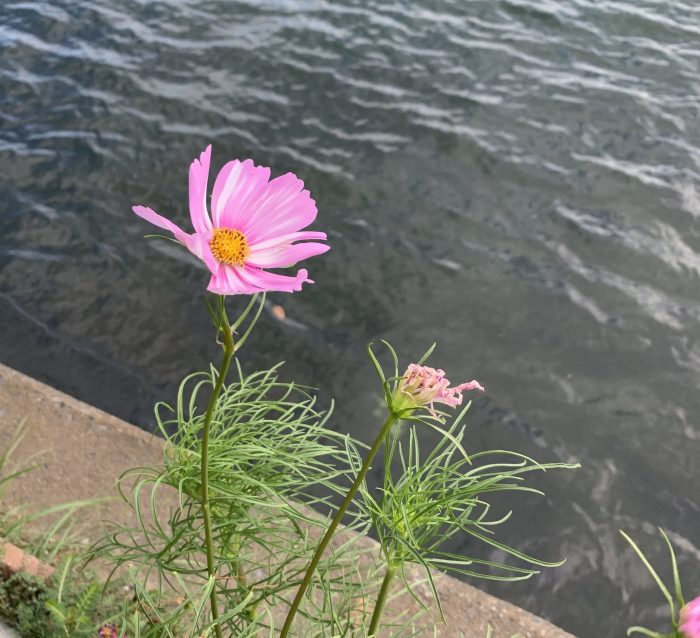

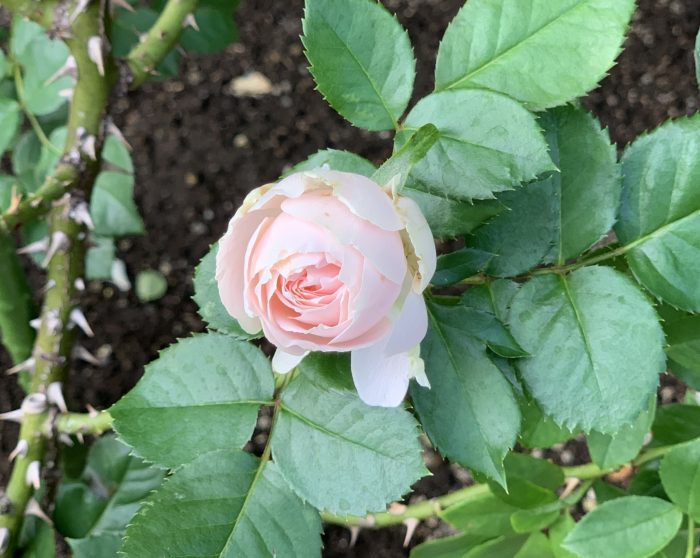
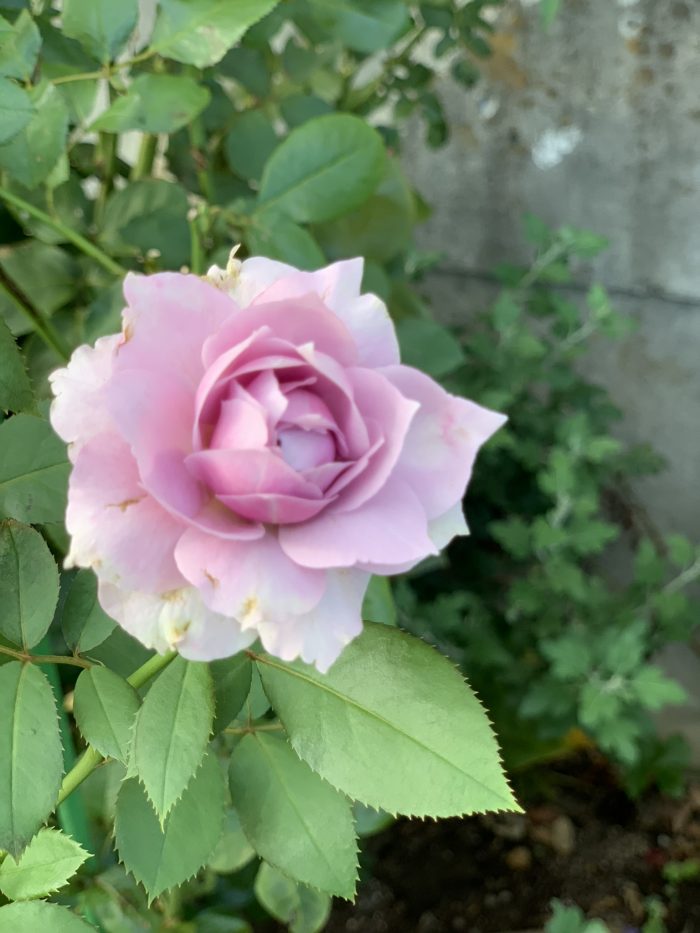
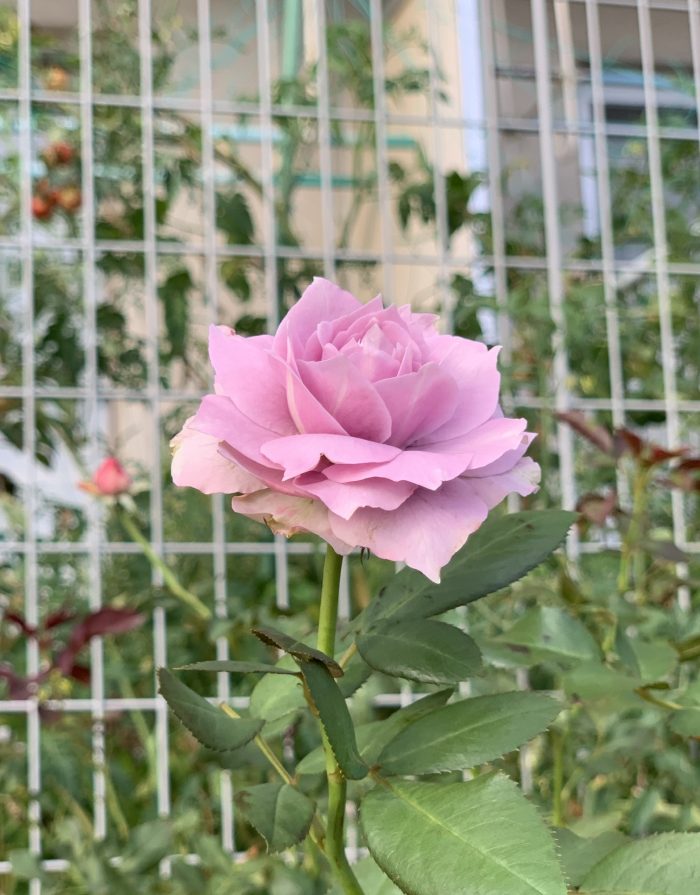
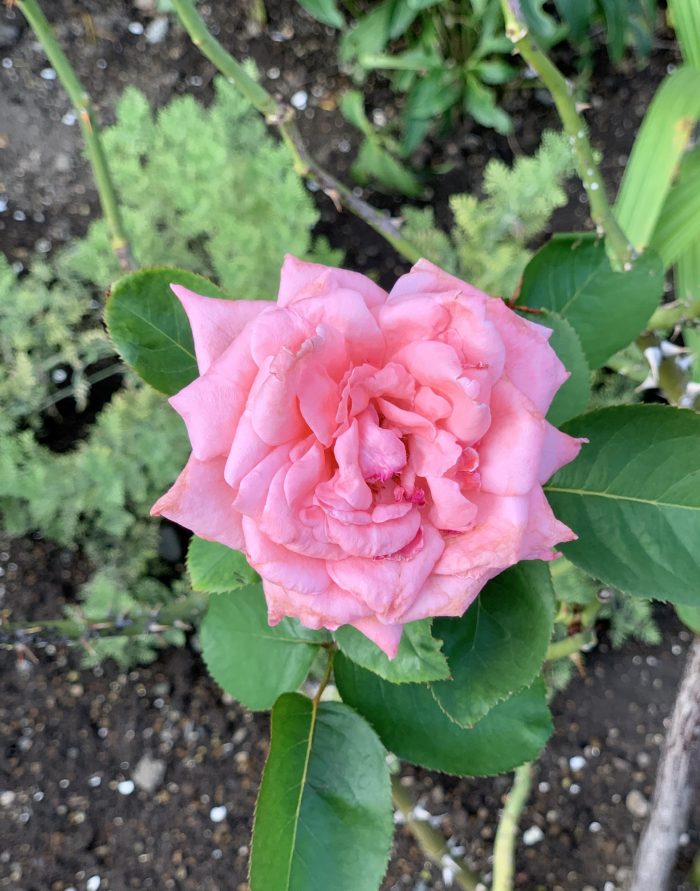
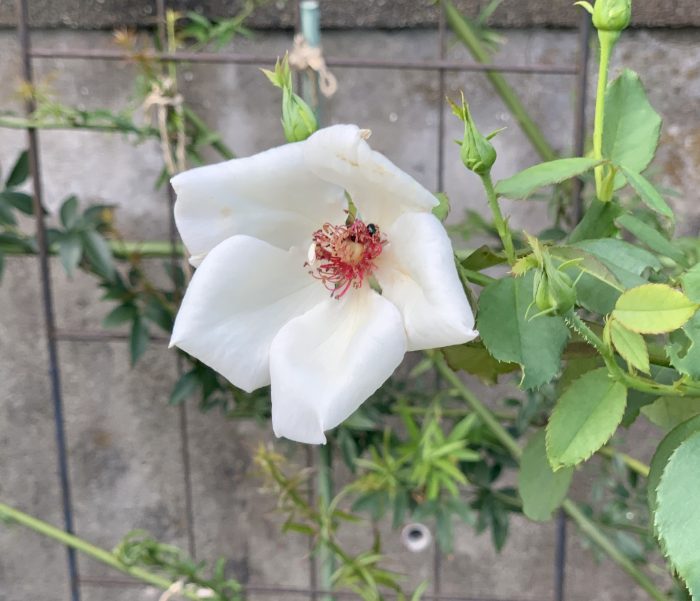
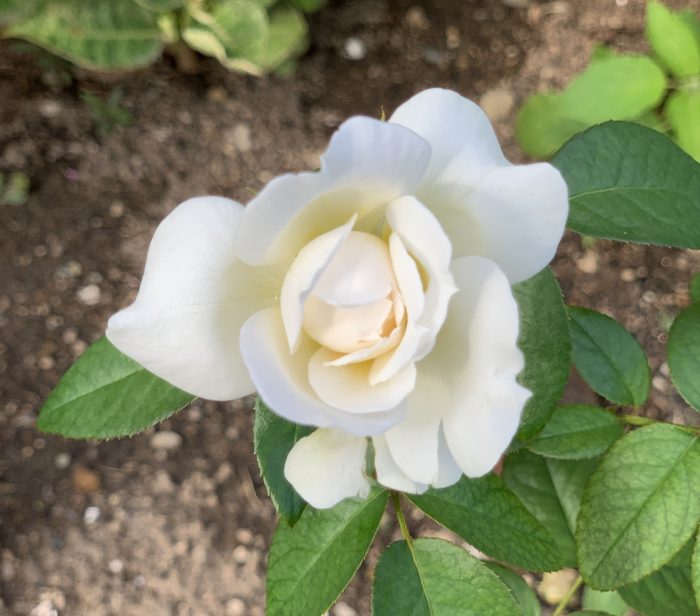
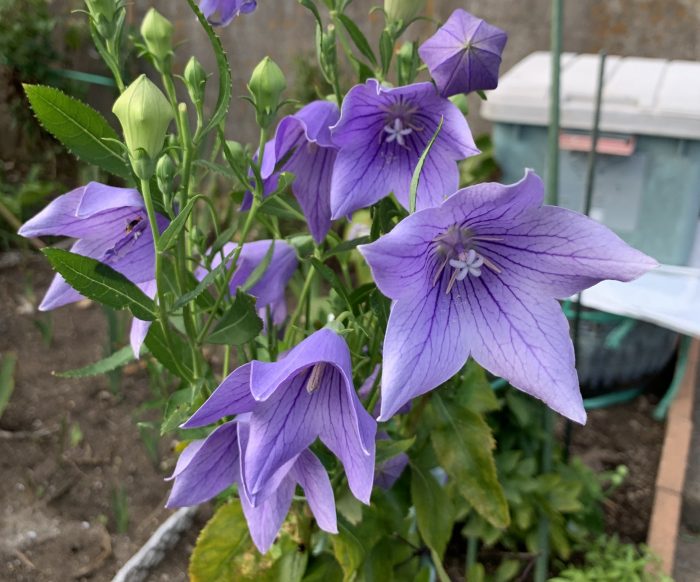
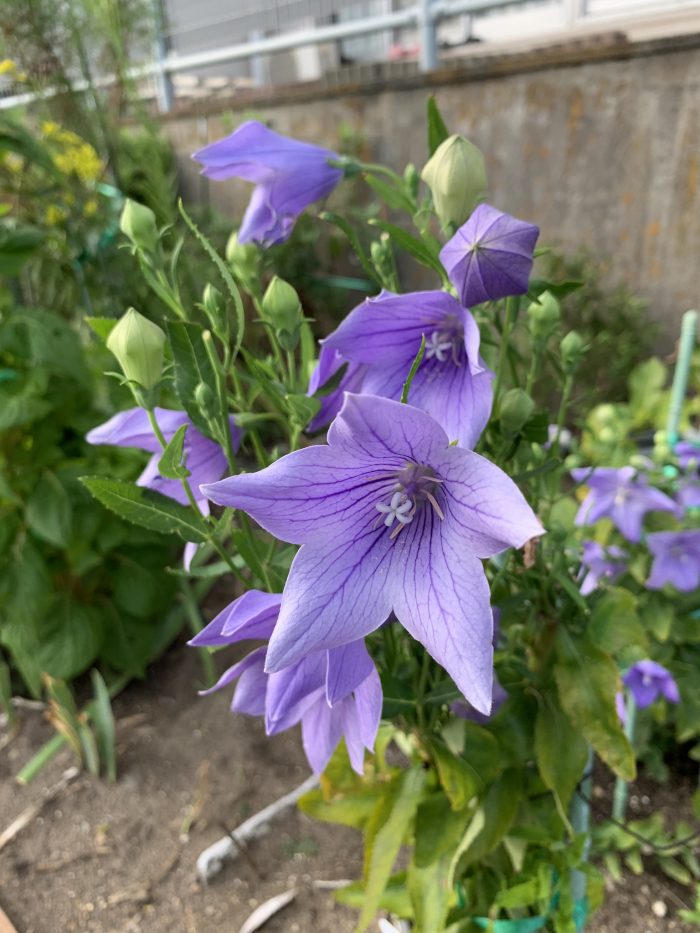
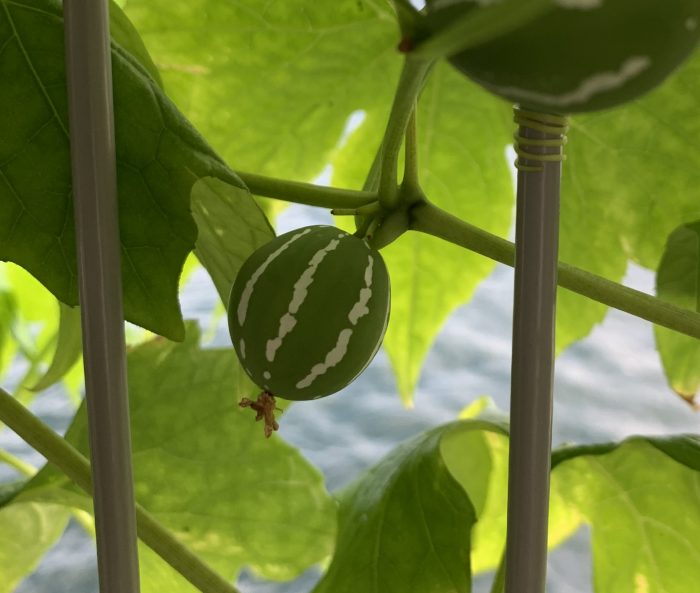
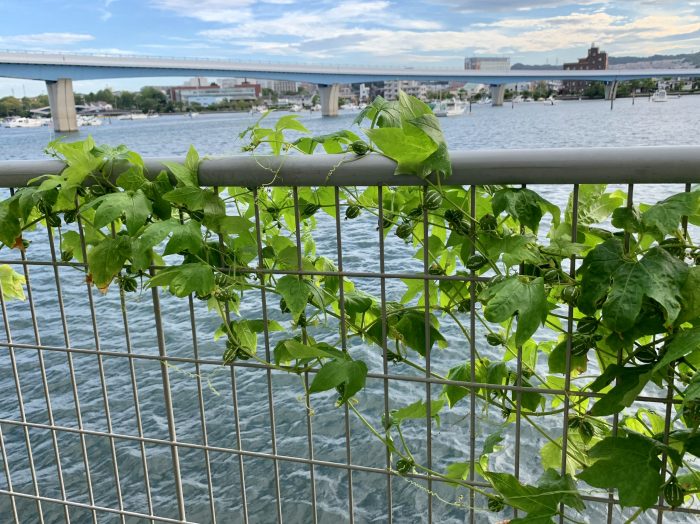
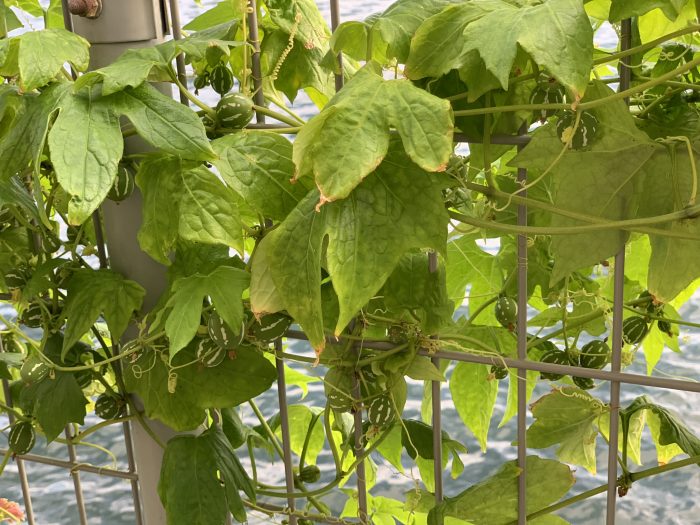
お花が好きで、志とお時間がある人がていねいに手入れをしているのがわかる・・。ありがたいことだ。



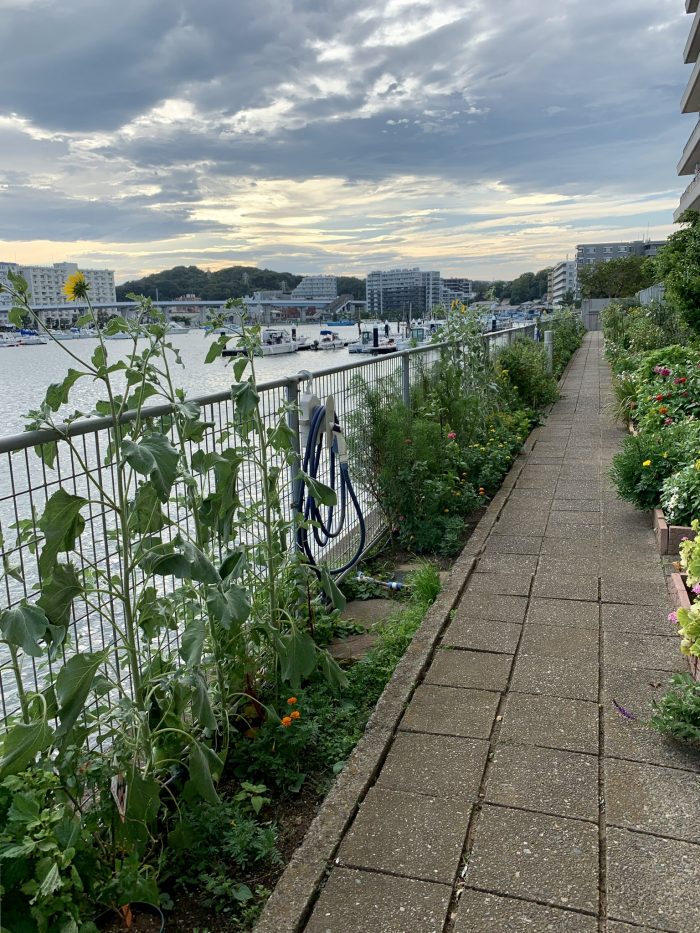
大学構内に「ひまわりの花が満開です!舞岡キャンパス・木原生物学研究所圃場にお越しください 」・・・こんな張り紙と、大きなひまわりが・・・。

守衛室にきれいなひまわりが咲いている。猛暑で歩くのも嫌なのだけど、黄色い大輪の花に惹かれて出どころを訊いて行ってみると、地域貢献センターの入り口付近に「ご自由にどうぞ」と投げ込みのひまわりが‟咲いて”いた。さっそく事務室に飾ってみた。そういえば、ずっと昔「禁止」されて以来、お花を飾ったことはほとんどなかった。
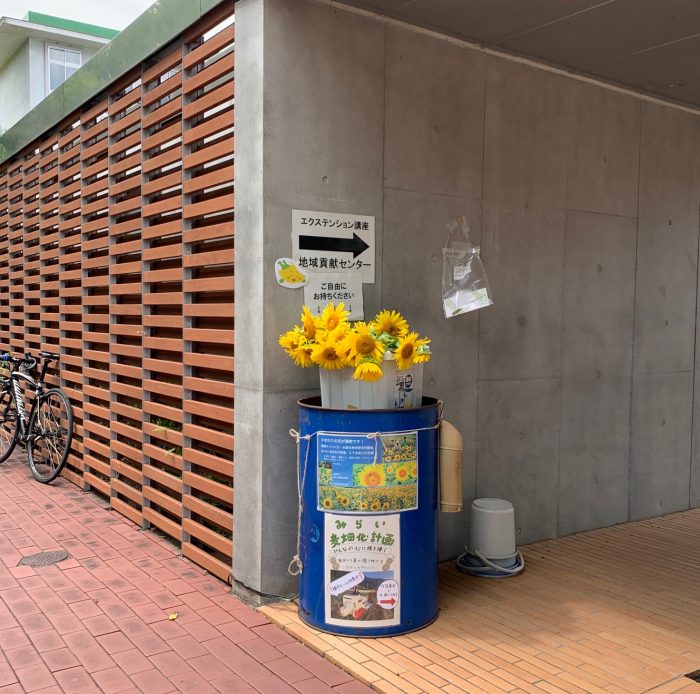
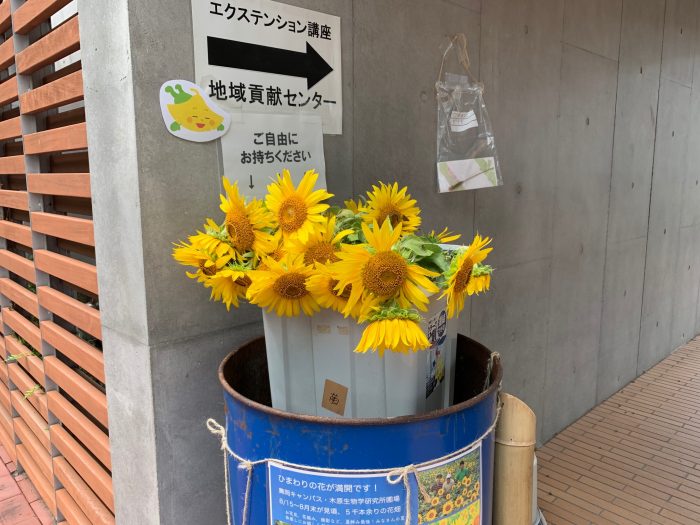



夏休み期間中の静けさのなか、しごともややゆっくり。猛暑のあとに雨が降ったり、少しずつ秋の趣も感じられるこの頃だ。
8/24-26の予定が、いろいろあって8/25-29となり、年をとっても多忙でやりたいこといっぱいのじぃじ&ばぁばは、孫たちと一緒で嬉しいけどフラストレーションもたまる夏休み。うれしかった、楽しかった、終わった、ふーっ!

横浜滞在2日目のイベントは釣り。孫とじいじだけで枇杷島弁天そばの海へ。ボラ2匹釣れました。ママとばぁばはボヘミアン・ラプソディを観に逗子なぎさホールへ(音楽は良かったけど、Freddy役の人が…本物と違いすぎる)。瀬戸橋付近から洲崎公園でのショットです。


2日目の夕食は「北欧風インテリアになった(Kumi)」デニーズへ


3日目は、すでに予定があったばぁばと茉莉は東京下北沢へ


茉莉・・Simonのこと ・・Yohta君へのH.B-dメッセージ・・fish


Simonは釣ったボラがバケツから飛び出したのを心配して「早く海へ!!」と。優しいところを見せました。たとえ魚でも死ぬのは怖いようです。(好きな食べものリストとは一致しないけど(笑))
私の好きな国歌は、ブラジル、ドイツ、英国。それにこの頃加わったのがポーランド国家、スイスの国歌も素敵。韓国の国家も良い!
| Top Pageへ | |
2003年にイギリスに行き、テレビ好き日本人としては、つい見てしまう。見てしまったら気にならないわけがない。Jon Snowさん。派手なネクタイ、鋭いインタビュー、長身、低い声、美しい発音。その後も、ニュースやTwitterで見ている。
 | 2019.7 変わったベストを着ている なぁと思ったら、これまで身に着けたネクタイを使用してベストを作ったとか! |
| 2019.8.21 軽やかな動画に登場。 ノッティングヒル・フェスティバ ルのプロモーションビデオ。 Boris Johnsonの英国に未来はあるか?この人はどんな表現をしていくのだろうか? | |
NHCarnival@NHCarnivalLDNFollowOfficial Organisers of Notting Hill Carnival
<2003年の記事>
 写真はもちろんジョン・スノーです。(ニュース番組から 写真はもちろんジョン・スノーです。(ニュース番組から |
| チャンネル4アンカーマン JON SNOW 2004年07月01日(木) 6時11分 日本に帰ったあと「また、あの英国のテレビ番組が見たい」と思うことになる番組のひとつになることでしょう。午後7時からの「Channel 4 News」。初めはちょっと聞き取りにくかった彼の英語も、今はすっかり慣れました。ネクタイの派手さがすごい、歯切れがいい、突込みが鋭い、ちょっと斜交いの視線もかっこいい。イギリスのテレビ番組は全体としてかなりひどい。つくりが安っぽい、中身がない、馬鹿騒ぎばかり。映画も古くて「名画」は本当にたまにしかない。もっとも、本当にいい番組は有料の「サテライトチャンネルで」ということのようです。でもジョン・スノーのニュースは◎その分とてもすばらしいのがBBCラジオ。日本の話題も多く取り上げられています。英国人はきっと、「自分たちのことをアメリカと比べてもサイズとパワーが違いすぎて・・・。その点日本は大きさもちょうどいいし、文化的基盤も違うから闇雲の競争にはならないし。それにきっと日本人は英国が好きだし・・・。」と思っているような気がします。 |
以前、加来徹さんのトーク・コンサートに行ったとき「歌詞やオペラのネラティブを覚えるのが大変で、毎日試験勉強をしているよう」と聞いた。ひとつの曲を歌う前は「だいたい200回は歌う」とも。素人の私はその倍の練習をしても上手くならないし、歌詞を覚えるのも難しい。しかもあれこれやっていては・・・はぁ!でも、歌詞を覚えずに歌を歌うことはあり得ない!これでいきたいものだ。
| ♪ Che faro senza Euridice | ♪ Voi che sapete |
| ※ Che farò senza Euridice? Dove andrò senza il mio ben? Che farò? Dove andrò? Che farò senza il mio ben? Dove andrò senza il mio ben? Euridice! Euridice! Oh Dio! Rispondi! Rispondi! Io son pure il tuo fedele Io son pure il tuo fedele! Io son fedele! (Repeat ※) Euridice! Euridice! Ah! non m’avanza Più soccorso, più speranza, Né dal mondo, né dal ciel! Che farò senza Euridice? Dove andrò senza il mio ben? Che farò Dove andrò? Che farò senza il mio ben Dove andrò Che farò Che farò senza il mio ben? senza il mio ben? senza il mio ben? | Voi che sapete che cos(z)a è amor, donne, vedete s’io l’ho nel cor. donne, vedete s’io l’ho nel cor. Quello ch’io provo vi ridirò, è per me nuovo capir nol so. Sento un – affetto pien di desir, ch’ora è diletto, ch’ora è martir. G(j)elo e poi sento l’alma avvampar, e in un momento torno a gelar. Ricerco un bene fuori di me, Non so chi’l tiene, non so cos’è. Sospiro e gem senza voler, palpito e tremo senza saper. Non trovo pace notte né dì, ma pur mi piace languir così. Voi che sapete che cos(z)a è amor, donne, vedete s’io l’ho nel cor. donne, vedete s’io l’ho nel cor. donne, vedete s’io l’ho nel cor. |
| In einem Bächlein helle Da schoß in froher Eil Die launische Forelle Vorüber wie ein Pfeil. Ich stand an dem Gestade Und sah in süßer Ruh ※Des muntern Fischleins Bade Im klaren Bächlein zu. Ein Fischer mit der Rute Wohl an dem Ufer stand, Und sah’s mit kaltem Blute, Wie sich das Fischlein wand. So lang dem Wasser Helle, So dacht ich, nicht gebricht, | ※So fängt er die Forelle Mit seiner Angel nicht. Doch endlich ward dem Diebe Die Zeit zu lang. Er macht das Bächlein tückisch trübe, Und eh ich es gedacht, So zuckte seine Rute, Das Fischlein Das Fischlein zappelt dran, ※Und ich mit regem Blute Sah die Betrog’ne an. |
| Catari, Catari, pecchè me dici sti parole amare, pecchè me parle e ‘o core me turmiento Catari? Num te scurdà ca t’aggio date ‘o core, Catari nun te scurdà! Catari, Catari, che vene a dicere stu parlà, che me dà spaseme? Tu nun ‘nce pienze a stu dulore mio Tu num ‘nce pienze tu nun te ne cura | Core, core ‘ngrato t’aie pigliato ‘a vita mia. Tutt’ è passato e nun’nce pienze cchiù! <Core, core ‘ngrato t’ aie pigliato ‘a vita mia.> Tutt’ è passato e nun’nce pienze cchiù! |
