







第二次大戦中の日本と韓国の問題では、国家間の紛争処理は一応の解決を見たとはいえ、個人が受けた被害を誰が補償すべきかについては別のいろいろな問題があり、世界の民主主義に関する諸議論の趨勢により、考え方が変わることも当然ある。
 日本企業に徴用された韓国の人々が裁判により補償を求めたことに、日本政府、企業、一部市民は批判的だが、かつて原爆の被害を日本政府に訴えた日本人に対し、日本政府は「原因を作った米国政府に訴えるのが筋だ」と言ったという。(実行したかどうか、聞いたことがないが。。。。)また、韓国に資産を残した日本人が補償を日本政府に求めた際は「韓国政府に請求すべき」と言ったという。
 どのように、解決されるのだろうか?

Japan still struggles to escape its wartime past

South Korean court revives disputes that should have been settled long ago

Japan’s Prime Minister Shinzo Abe has the power to act boldly in addressing the country’s wartime past.   © Reuters
Memories may fade, but history does not die away so easily, especially when competing versions of the past are at stake.
So, it is hardly a surprise that Japan’s controversial Second World War record has once more been thrust into the limelight.
In the latest development, on Oct. 30, the South Korean Supreme Court ordered Nippon Steel & Sumitomo Metal, two Japanese manufacturing companies active in the war, to pay $88,000 each to four Koreans as compensation for unpaid work between 1941 and 1943.Far from trying to defuse the situation, Japanese Prime Minister Shinzo Abe immediately rejected the ruling, called it “impossible under international law.”
When a quiet response might have reaped results — and won time for reflection — Abe pledged to hang tough, saying Tokyo “will handle this situation with firmness.”
Japan argues that a 1965 Tokyo-Seoul treaty covers all manner of past sins. It normalized bilateral relations tainted by 35 years of colonial rule in Korea from 1910 to 1945. From Tokyo’s standpoint, all issues concerning wartime labor were resolved 53 years ago and it is time Asia moved on.
Fair or not, that narrative is not traveling or aging well. If a court ruling involving four people (three of whom are dead) makes Abe and other Japanese nationalists squirm, imagine what lies in store if more Korean claimants pile in. Or if Chinese victims of Japanese rule again make their voices heard with Beijing egging them on.
Nor, unfortunately for Tokyo, is concern about Japan’s wartime past limited to Northeast Asia. In the U.S., for example, Korean-Americans, are becoming quite skilled at hitting a particularly sensitive target: wartime “comfort women.” Last month, Osaka ended its sister city relationship with San Francisco over a monument to wartime sex slaves — a description not accepted by Japan.
With Tokyo still unable to reconcile its historical narrative with those of countries that it once occupied, the arguments will continue to cast an awkward shadow over present-day Japan, and Abe’s efforts to reassert Japan’s international influence.
Abe may technically be correct to argue that the 1965 treaty was final, but the law often does not have the last word in these painful historical disputes. Public pressure forced German companies to pay compensation to wartime forced laborers in the 1990s, long after the German government signed similar government-to-government agreements.
Moreover, Japan will be under particular international scrutiny over the next two years as it stages two global events important for its soft power — the 2019 Rugby World Cup and 2020 Summer Olympics.
If Abe’s team handles the Seoul court setback badly, it could create a fresh opening for international debate over World War II questions Tokyo would prefer see closed.
Bashing the neighbors for domestic gain is a tried-and-true North Asian strategy. It could reemerge given how both South Korean president Moon and Chinese leader Xi Jinping find themselves in precarious situations at home.
Moon faces a slowing economy and growing anger over his preoccupation with North Korean detente. While an important endeavor, Moon was elected in May 2017 to rein in the excesses of family-owned conglomerates and pivot to a “trickle-up” economic model. Moon’s neglect of major reforms is depressing support for his administration. What better way than rally enthusiasm than bashing Japan?
Moon’s left-leaning government earlier upended the 2015 comfort women deal Abe forged with his predecessor Park Geun-hye. Moon claimed a vast majority of Koreans “cannot emotionally accept” a deal many felt lacked sincerity — or teeth, given the paltry 1 billion yen ($8.8 million) provided for a victims’ fund.
We will see how Moon’s party plays the issue going forward. One potential flashpoint: next year’s 100th anniversary of the so-called March First Movement. Moon has set up a task force to plan the commemoration of a historic uprising against Japan’s annexation.
But it is high time Japan raised its diplomatic game. For starters, Tokyo should accept the Korean Supreme Court ruling rather than lashing out as if an international body can intervene and overturn the judgment. Japan needs to realize, as Germany has long done, that below the legal element, these controversies have huge emotional and political depths.
My point here is not to compare Imperial Japan’s leaders with Adolf Hitler’s Nazis. But the historic tensions are getting in the way of the future. Something has been terribly lost in translation. Japan’s government feels it clearly and adequately atoned for the 1930s and 1940s. Yet the outside world has never quite warmed to that position.
The problem, says Jeff Kingston, director of Asian studies at Temple University Japan, is Tokyo’s “been there, done that” approach.
Abe hardly seems ideal for finding new ways to reconciliation. His obsession with a “beautiful Japan” has long been freighted with nationalism — from more patriotic school curricula to revising the pacifist postwar constitution so Tokyo can field a conventional military.
But this hawkish leader rightly seeks to open Japan. He has signed free-trade deals, eased curbs on immigration, highlighted the need for more women in the workforce and, yes, worked to mend fences with neighbors. The urgency for such steps is increasing with President Donald Trump’s trade war.
To “escape the shackles of the past,” Kingston says, Tokyo “needs to be humble about history. The future depends on managing the shared past.”
For Japan, this must start at home. Tokyo’s principal museum recording the Second World War is located at the Yasukuni Shrine where millions of dead soldiers are enshrined, including convicted war criminals headed by Gen. Hideki Tojo, the wartime prime minister. The museum’s view is nationalist, to put it mildly, with only limited references to Japanese atrocities. It is time to prepare a more balanced public record.
One unavoidable discussion: reparations, which Tokyo has long dreaded. It has preferred to keep its head down, lavish overseas development assistance around Asia and hope things blow over.
The Seoul ruling is a reminder that they are not going away. Some 70 Japanese companies, including Mitsubishi Heavy Industries, face unpalatable judgments in 15 similar cases.
As the strongest Japanese leader in decades, Abe has the power to act boldly. No one really expects him to follow Willy Brandt and fall to his knees in remorse as did the German statesman in Warsaw in 1970.
But moving beyond Japan’s wartime legacy requires serious action. Otherwise, Abe will struggle to burnish his stature as a world leader — and Tokyo will be hit by new damaging court rulings.
William Pesek is an award-winning Tokyo-based journalist and author of “Japanization: What the World Can Learn from Japan’s Lost Decades.” He was given the 2018 prize for excellence in opinion writing by the Society of Publishers in Asia, for his work for the Nikkei Asian Review

日本弁護士「強制徴用賠償、ICJでも日本が負ける」…その根拠は?

中央日報日本語版

日本の弁護士約100人が韓国大法院(最高裁に相当)の徴用賠償判決に対する自国政府の対応を批判して問題解決を促した。
川上詩朗弁護士山本晴太弁護士は今月5日、東京千代田区にある参議院議員会館会議室で「元徴用工の韓国大法院判決に対する弁護士有志声明」を発表した。
2人は「日本が国際司法裁判所(ICJ)に提訴する場合、日本が敗れる可能性が高い」としながら「被害者が納得して社会的にも容認された解決内容が必要だ」と主張した。
日本の弁護士は強制徴用賠償問題の本質は「人権問題」と指摘して「被害者の個人請求権は消滅していない」と強調した。
弁護士は2007年に中国被害者が起こした損害賠償請求訴訟を事例として挙げた。
当時、日本の最高裁判所は中国被害者に「裁判上、権利が喪失した」として原告敗訴判決を下したが「請求権は消滅していない」と明らかにした点を根拠に挙げた。つまり、日本政府側も1991年中国側に韓国大法院と類似の立場を明らかにしたと説明した。
あわせて「被害者個人の請求権が消滅していないうえに国際法上でも被害者は裁判を受ける権利がある」とし「このために日本が国際司法裁判所に提訴しても日本が敗れる可能性が大きい」と明らかにした。
弁護士は「被害者と社会が受け入れることができない国家間合意は真の解決になりえない」」と声を高めた。
この日、代表として出席した川上弁護士は「今回の韓国最高裁の判決に対して『国際法上あり得ない』と述べた安倍晋三首相の発言に違和感を感じて緊急声明を発表する」とし「急意で用意された声明で、現在まで100人余りが参加した」と明らかにした。
この日配布された共同声明資料には、弁護士89人や学者6人など合計95人が署名したと記録されており、意見を同じくする弁護士は増え続けているという。
一方、日本政府は韓国大法院の強制徴用賠償判決に関連し、韓国を国際司法裁判所に単独提訴する方針だと産経新聞が6日、報じた。同紙は、大法院が新日鉄住金(旧・新日本製鉄))に命じた損害賠償を韓国政府が代わりに履行するなどの措置を取らない場合を仮定してこのような方針を固めたと説明した。
これとあわせて、日本政府は在外公館を通じて自国の立場を海外各国に知らせるなど海外メディアを通した世論戦を本格化する様相だ。
河野太郎外相は大法院判決直後「極めて遺憾であり、断じて受け入れられない」という談話を発表した後、連日強硬発言を繰り返している。外信インタビューで、韓国大法院の強制徴用賠償判決を中傷する一方、記者団との会見では「(韓国大法院の強制徴用賠償判決は)暴挙であり国際秩序に対する挑戦」と主張した。
日本政府は「個人の請求権は1965年韓日請求権協定で消滅していない」という韓国大法院の判決趣旨は説明せずに韓国が協定を破ったと強調している。
これを通じて、国際社会における韓国の信頼度を落とそうとしているのではないかという分析がある。
これについて韓国外交部は「我々の司法府判断に対して節制されていない言葉で評価をするなど、過剰対応していることに対し、甚だ遺憾だと言わざるを得ない」とし「三権分立の基本原則に則り、行政府は司法府の判断を尊重するのは当然で、これは日本を含めてどの自由民主主義国家も例外であるはずがない」と指摘した。


11/30

 11/20頃


Top Pageへ

 季節は過ぎ、もうすぐ本番。いろいろありましてメンバーもグループ名も「Ensamble 歌音」の変わりました!!歌のSoloは私だけになり、心細い。でも(観客の人には申し訳ないのですが)歌うことにしました。
NY Central Parkにて
 

NYにもシュウメイギク!


砂山(山田耕筰)
野薔薇 Schubert
Die Lotosblume Schumann
砂山
1922年に新潟で開催された童謡音楽会に参加した北原白秋は、小学生たちから新潟にちなんだ歌の依頼を受け、1922年(大正11年)9月に出版された雑誌で童謡『砂山』を発表した。北原白秋の歌詞『砂山』に1923年には、童謡『赤とんぼ』、『ペチカ』などを残した作曲家・山田 耕筰がメロディをつけた。
野薔薇
1821年出版。1815年の数多いゲーテ歌曲のひとつ。歌詞はドイツの民謡 『あれ野のばら』 をもとにして、ゲーテが民謡風に歌った、 1771年の作品で、ウェルナーが曲をつけたものも有名です。
1770年、当時21歳の学生だったゲーテは友人に連れられて、ゼーゼンハイムという 田舎の村の牧師の家を訪れました。そのとき紹介された、牧師の家の三女、 ブロンドのおさげ髪のフリーデリーケにゲーテはひとめぼれし、やがてふたりは恋に落ちました。フリーデリーケは18歳。ふたりの交際は、ほぼ1年にわたって続きましたが、 大学を卒業したゲーテは何もいわず彼女のもとを去っていってしまいました。「野ばら」 が書かれたのはその後のこと。残されたフリーデリーケはずっと独身のまま、その生涯を終えたそうです。
清らかに咲くバラが無情にも折られてしまう詩は、ゲーテが恋人を裏切り、 たぐいまれな美しい心を深く傷つけてしまった自責の念がこめられていますが、 シューベルトの曲は暗さを感じさせず、かわいらしい、親しみやすさにあふれています。Johann Wolfgang von Goethe
蓮の花
「Die Lotosblume(はすの花)」の詩はハインリヒ・ハイネ(Heinrich Heine, 1797年~1856年)によるものです。
睡蓮の花は 太陽の輝きを怖れ うなだれ夢みつつ  夜の訪れを待つ  
月こそは想い人 そのほの明りに目覚め  嬉しげにヴェールを取り 
淑やかな花の顔を見せる
 
花咲き 燃え 輝き 黙し空を見あげる 
薫り 震え 泣く 愛のため その痛みのために

コーラス曲は;

”La baie d’Hirakata” (練習曲)へ

Voice Nowへ

Top Pageへ

次の曲の候補_1 「An die Musik」

(本当に歌えたらいいなぁ!) 

Franz von Schober
Du holde Kunst, in wieviel grauen Stunden,
wo mich des Lebens wilder Kreis umstrickt,
hast du mein Herz zu warmer Lieb’ entzunden!
Hast mich in eine beß’re Welt entrückt!
Oft hat ein Seufzer, deiner Harf’ entflossen,
ein süßer, heiliger Akkord von dir
den Himmel beß’rer Zeiten mir erschlossen,
du holde Kunst, ich danke dir dafür!
hold/優美な
Kunst/芸術
in/の中で
wieviel/多くの
grauen/恐ろしい
Stunde/時間
wo/(関係代名詞)
des/(定冠詞)
Leben/人生
wild/荒々しい
Kreis/範囲
hast→haben(英語:have)
zu/
warm/温かい
entzunden/火をつける
ein/(不定冠詞)
beßer/より良い
Welt/世界
entrücken/引き離す
oft/しばしば
hat→haben/持っている
Seufzer/ため息
deiner/お前の
Harfe/ハープ
entflossen/流れる
Süß/甘い
heilig/神聖な
Akkord/和音
von/~から
dir/お前に
den/(定冠詞)
Himmel/天国
Zeit/時間
mir/私に
erschließen/結びつける
dafürdanken/そのことについて感謝す
歌詞(ドイツ語)・日本語訳(意訳)
Du holde Kunst, in wieviel grauen Stunden,
Wo mich des Lebens wilder Kreis umstrickt,
Hast du mein Herz zu warmer Lieb entzunden,
Hast mich in eine Beßre Welt entrückt.
甘美なる芸術よ
心病める時も
人生の荒波の前にも
心に灯る暖かい愛情の光
別世界へと誘う
Oft had ein Seufzer, deiner Harf entflossen,
Ein Süßer, heiliger Akkord von dir
Den Himmel beßrer Zeiten mir erschlossen,
Du holde Kunst, ich danke dir dafür!
零れ落ちるハープの溜め息
甘く清らかな旋律
我を天国に誘う
甘美なる芸術よ
心から感謝の意を捧げん

Elisabeth Schwarzkopf–Soprano Gerald Moore–Piano 

Diana Damrau, Soprano Xavier de Maistre, Harpe Concert donné le 20 juin 2010   3分後から

Oak Creek West Middle School Choirs
2016/12/22 に公開

Dietrich Fischer-Dieskau

5/26(土)練習開始、ドイツ語が難なく歌えるのがうれしい。歌えそうな気がした。
それから、思ったことは、心から感動できる歌を選ぶこと。信長さんの「夕焼け」を歌ってみて気づいた。コーラスに取り入れたいけど、ピアノ伴奏が難しすぎてダメかもしれない。残念。

10/30
もうすぐステージだというのに、なかなかピタッと決まらず、発声方法が悪いまま時間が過ぎる。今日、ちょっとリラックスして歌ったところ、少し良い音が出た。

11/4

この曲を歌う今度の12月のステージでは、最後の出番となった。ということは、少しは上達!? こちらはElina Garancaさん(自分で撮影, at Carnegie Hall, NYC)

9/30 日本を猛烈な暴風雨を伴って通り過ぎた台風24号。10/1の大学は、夏のような陽射しと、銀杏の大樹の黄色い葉先が奇妙なコントラストを見せていた。地面をみると、突然の風で早めに落ちてしまった大量の銀杏の実が・・・。秋がどんどん近づく。
私が大好きなベンチです。
銀杏の樹も少し黄色くなりました。

10/12 


Top Pageへ

ドイツ語で歌うのは O Holy nightではなく、「もみの木」だった。合計何曲歌うのかなぁ。上手かったら何曲でも歌いたいけど、練習が不十分なときの歌は、自分でも信じられない下手さだから・・・。ネットで歌詞と楽譜、You tubeで音源を「検索」。練習もちょっと。
O Tannenbaum, o Tannenbaum,
Wie treu sind deine Blätter!
Du grünst nicht nur zur Sommerzeit,
Nein auch im Winter wenn es schneit.
 
O Tannenbaum, o Tannenbaum,
Wie treu sind deine Blätter!
O Tannenbaum, o Tannenbaum,
Du kannst mir sehr gefallen!
Wie oft hat schon zur Winterszeit
Ein Baum von dir mich hoch erfreut!
 
O Tannenbaum, o Tannenbaum,
Du kannst mir sehr gefallen!
O Tannenbaum, o Tannenbaum,
Dein Kleid will mich was lehren:
Die Hoffnung und Beständigkeit
Gibt Mut und Kraft zu jeder Zeit!
 
O Tannenbaum, o Tannenbaum,
Dein Kleid will mich was lehren!
O Christmas tree, o Christmas tree
How loyal are your leaves/needles!
You’re green not only
in the summertime,
No, also in winter when it snows.
O Christmas tree, o Christmas tree
How loyal are your leaves/needles!O
Christmas tree, o Christmas tree
You can please me very much!
How often has not at Christmastime
A tree like you given me such joy!
O Christmas tree, o Christmas tree,
You can please me very much!
O Christmas tree, o Christmas tree
Your dress wants to
teach me something:
Your hope and durability
Provide comfort and strength
at any time.
O Christmas tree, o Christmas tree
That’s what your dress should
teach me.
1.おお、モミの木よ、おお、モミの木よ
そなたの葉はなんと変わらずあり続けることか
夏場だけはでなく 雪の降る冬でも青々としている
おお、モミの木よ、おお、モミの木よ  そなたの葉はなんと青々としていることか!
2.おお、モミの木よ、おお、モミの木よ  そなたはじつに私の気に入った!
冬場に、幾度となく そなたの木が私を深く喜ばせたことか!
おお、モミの木よ、おお、モミの木よ そなたはじつに私の気に入った!
こちらは、”戦場の兵士が故郷と家族とのクリスマスを思ってこのキャロルを聴く”という設定だ。

We have been discussing the American Parliament system as, meaningfully, a two-party system. But I have been interested in some of current new movements and trends, as well. So this is just for my brief study notes.


What is DSA(Democratic Socialists of America) , a NGO which seeks more human orientated democracy? http://www.dsausa.org/

Who We Are & What We Do
The Democratic Socialists of America (DSA) is the largest socialist organization in the United States. We believe that working people should run both the economy and society democratically to meet human needs, not to make profits for a few. We are a political and activist organization, not a party; through campus and community-based chapters, DSA members use a variety of tactics, from legislative to direct action, to fight for reforms that empower working people.

Current Campaigns

DSA and YDSA chapters organize around a variety of issues based on local priorities, especially labor solidarity and anti-austerity work. However, the national office provides resources and support for the main activist priorities of the organization as voted on by delegates to our national convention:

Medicare for All Click here

Strong Unions Click here

Electoral Power

Bernie Sanders launched a political revolution and we’re continue to build it, supporting democratic socialist candidates running for local and state office. We’re also grappling with how to build independent political power to hold candidates we elect, and others, accountable to their constituents rather than the donor class. Click here to go to our electoral website.
OP-ED: Restoring respectful discussion: A practical guide
  A recent article called for “wholehearted praxis” in how we interact with our comrades, and argued against “internal policing.” I think the intent was good, but the article did not offer a concrete analysis of what goes wrong in personal interactions where there are legitimate political disagreements, and only gave vague advice about what…
Climate Change Needs a Short-Term Plan and a Global One
The democratic left generally agrees that using renewable energy is necessary to defeat climate change and is becoming more focused on moving our nation to a renewable future. Yet we also know that climate change is a global problem. The International Energy Agency’s (IEA) latest forecast gives us a hint of what we need to do globally.
Part Two, American Socialism Then and Now
Those of us who declare ourselves socialists must reaffirm our radicalism, envision a truly revolutionary anti-capitalist future, and understand that today, as in Gilded Age America, the our cause is increasingly that of a radical democracy struggling to be born.

Socialism is no longer a dirty word in the US – and that’s scary for some

Alexandria Ocasio-Cortez at a rally in New York. Alexandria Ocasio-Cortez at a rally in New York
Here’s a fun game to play with a right-leaning American: say the word “socialism” and count the number of seconds it takes for them to scream “VENEZUELA” in response. It is unclear how many conservative Americans could identify Venezuela on a map but, boy, they all seem keen to inform you that the beleaguered country is a shining example of why socialism will never work, certainly not in the US.
For a recent example of how Republicans go completely Caracas at the mere mention of the S-word, please see Meghan McCain, the daughter of the 2008 presidential candidate John McCain. Last week, Meghan McCain had a meltdown on the daytime television chatshow The View when the subject of Alexandria Ocasio-Cortez, the 28-year-old Democratic Socialist who recently unseated a 10-term New York congressman, came up.

Why the Democratic Socialists of America are experiencing a boom

Bernie Sanders revived a political current that seemed dead in the US. But working-class Americans’ isolation from mainstream politics helped, too
For the Democratic Socialists of America, there has been a silver lining in this dark year dominated by Trump. Thanks to a post-election membership boom, the organization is now 25,000 people strong. The DSA has become the largest socialist organization since the heyday of Eugene Debs and the Socialist Party of America at the turn of the 20th century.
Most of the new members of the organization have been young people, whose affinity for socialist ideas – or at the very least for a rejection of capitalism – has been growing in recent years as the punishing blows of neoliberalism have placed them in a more precarious place than ever before.
This newfound energy was on display at their biennial convention last weekend in Chicago, where more than 1,000 attendees from dozens of chapters around the country gathered to debate resolutions, set priorities for the next two years, and elect people to serve on the National Political Committee.
So why has the DSA’s membership increased threefold since Donald Trump won? The first reason is the most obvious one: the Bernie Sanders effect.
While polls had shown a growing dissatisfaction with capitalism in the wake of the Great Recession, there had not been a national figure that was able to coalesce that disquiet into an alternative vision for society, politics, and economy.
It was thought that Barack Obama might be this person at one point, but disillusionment set in once it became clear that Obama was not keen on using his mandate for the kind of truly transformational change that had been promised throughout his 2008 campaign for president.
Sanders, previously a little-known “democratic socialist” independent senator from Vermont, was able to win more than 13 million votes and 43% of the Democratic primary electorate. But his biggest impact came in what he did for socialism in the United States.
Bernie Sanders managed to revive a political current that seemed all but dead in American politics. After decades of continual red-bashing from rightwing forces in media and politics, the notion that the people, not corporations, should own more of the wealth in this country suddenly became something worth discussing.
This feeling only accelerated after Trump’s elevation to the White House in January. While many Democrats saw the mass protests against Trump’s election as an aberration, leftists saw an opportunity to engage in building the base for socialist ideas around the country.
The DSA is the largest manifestation of this, but by no means is it alone: local organizations such as the Philly Socialists, the Mobile Bay Socialist Collective in Alabama, and the armed resistance group Redneck Revolt work alongside the DSA’s estimated 105 (and growing) chapters on projects ranging from tenants’ rights, reproductive justice, and labor rights, to justice for the victims of police brutality.

Oct 25, 2016  Sixty-one per cent of survey respondents say neither political party reflects their … About two in three Republicans believe voter fraud is a bigger … of Americans who see a very non-responsive political system to their situation.

The debates prompted by the Panama Papers, while usefully illuminating the extraordinary corruption of many foreign leaders, may have distracted us from the real problem in Britain. Unlike in Russia or China, the corruption in British politics does not stem from those in power abusing their position for personal enrichment. Instead, it comes from the structure of our decaying political system. Propped up by money from vested interests, the rigid two-party straitjacket has left the UK with a malfunctioning democracy and led to widespread public disillusionment.
It doesn’t have to be this way. It’s clear that people are looking for a new kind of politics that goes beyond traditional party lines: a politics first and foremost of engagement and transparency, not reducible to the old left-right divide.

Young and liberal in America: ‘It’s both hopeful and disturbing’
As part of the Ask America project, the BBC spoke to young activists at a political convention for progressives in New Orleans.
If you have story ideas or questions about the US you want us to explore please let us know. You can email askamerica@bbc.co.uk or use #BBCAskAmerica.
Video by Hannah Long-Higgins
  • 07 Aug 2018

    How socialism became the talk of the midterms
      SEP 11, 2018
    Socialism is getting more attention in American political races, with high-profile candidates embracing so-called socialist policies and groups like the Democratic Socialists of Americaswelling their membership ranks and openly backing congressional candidates like New York’s Alexandria Ocasio-Cortez.
    “I believe in health care for all, I believe in education for all, I believe in housing as a human right” said Ocasio-Cortez in an interview with DeRay McKesson on “Pod Save the People.” If people are going to call me a socialist for believing in those things, all right, call me a socialist, I don’t give a damn.”
    Ocasio-Cortez’s position is “quite a distance away from what socialism traditionally has meant,” said Frank Newport, editor-in-chief at Gallup. He points to Gallup polling during the Cold War, when the company found Americans defined socialism as “the things that we would have thought of 50 years ago, government ownership of the means of production and equal incomes.”
    At the time, communism was spreading across Eastern Europe, Western European governments were experimenting with socialism and U.S. government news reels were warning Americans to be on guard.
    “The theory of socialism may be exciting to the intellect of many people,” said one 1955 film. “Its glittering promises may seduce the judgment of millions.”
    But the film warned that socialism was a first step on the slippery slope to communism.
    That connection between socialism and communism has faded for some, said linguist Deborah Tannen at Georgetown University. She’s written several books on how words and their use can change over time.
    “I think young people are just so distant from [the Cold War] that those negative associations would no longer be taboo,” she said.
    Today, Gallup polling shows more than half of young people (18-29) have a positive view of socialism. Perhaps because rather than linking it to communism, they tend to associate it with a more accepted partner — democracy.
    “Democratic socialism means that in a democratic civilized society, the wealthiest people and the largest corporations must pay their fair share of taxes,” said Democratic presidential candidate and longtime Vermont Sen. Bernie Sanders in 2015.
    “Most older people thought this is the kiss of death,” said Georgetown’s Tannen. “If he says he’s a socialist, he’s dead in the water.”
    In fact, Sanders made it all the way to the Democratic convention, and now congressional candidates are weaving the ideas of democratic socialism into successful campaign platforms for the midterms.
    That said, Americans attitudes toward socialism haven’t changed much in recent years, according to Gallup’s polling. More than half of Democrats view socialism positively and have for years. Less than a quarter of Republicans feel the same. What’s really changed is the way people feel about capitalism.
    From the financial crisis to the Occupy Wall Street movement to the reaction to recent corporate tax cuts, capitalism has become, in some circles, the new villain. The percentage of Democrats who have a positive view of it has dropped 10 points in the last two years.
    “I think for a lot of people, the way that they use ‘socialism’ is maybe just to mean not capitalism,” said Benjamin McKean, a political theorist at Ohio State University.
    “If you’re a young person coming out of college, you’re seeing some people doing incredibly well,” he said. But, “you’re seeing most people, in an economy that’s supposed to be doing great, not doing any better than they were a few years ago, sometimes even doing worse.”
    Which may be part of the reason behind a 12-point drop in approval of capitalism among young people, in particular.
    But overall, 56 percent of Americans still view capitalism positively, compared to just 37 percent for socialism. So the current economic system isn’t likely going anywhere just yet.


3人で演奏曲の練習のあと「ばおばぶ」へ行ってきた。金曜日で雨模様の日。
ランチは、野菜スープ(とうがん、玉ねぎ、シイタケ、それに薄切りガーリックなど)、おにぎり(ジャコ入り五穀米で)1個+香のもの(あれでサラダ?)、手作りケーキ(胡麻、各種シーズ、イチジクの味。美味)とお茶(長野の方の番茶)のセットで1,300円。
古民家は、築80年の母屋と15年ぐらい前に建て増しした部屋がつづく。陶芸家・料理家(?)のオーナーと女性がひとり。大・小テーブルと椅子・スツールで30人~40人ぐらいは入れるか。
ピアノは、押し入れを改造した狭い隙間に入っており、音響は▲か。歌うスペースも床は畳なので音響の点で難点。事前テスト・要。
部屋が異常に暗いので楽譜用ライトが必要か要チェック(?) どんなコスチュームで出ていいのか、微妙・・・・。(以上、感想など)
”La baie d’Hirakata” at 「ばおばぶ」
”La baie d’Hirakata” (練習曲)

9/30 一部メンバー交代か?再調整の可能性も・・・。

Top Pageへ

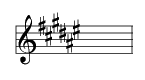
Mitsuko Shirai; “Das Veilchen” 1986 (E major ミ<Not Eb>から)

すみれ (2019春!その2)
Das Veilchenは、モーツァルトの数ある歌曲の中でも特に有名な曲の一つ。すみれと羊飼いの娘が見事に描かれている。
歌詞はゲーテの詩が用いられており、1785年にウィーンで作曲された。1781年、職を解かれたモーツァルトは、ザルツブルクを離れウィーンでフリーの音楽家として活動をはじめたが、この曲はその頃の作品。 


This appears to be in E major not E flat, appreciate you posting this though.

Score

E♭ (Medium〜low voice) いい音
(Mozart) KV.476 in Eb 上よりやや遅め

Ein Veilchen auf der Wiese stand,
gebückt in sich und unbekannt;
es war ein herzigs Veilchen.
Da kam ein’ junge Schäferin
mit leichtem Schritt und munterm Sinn
daher, daher,
die Wiese her und sang. 
Ach! denkt das Veilchen, wär’ ich nur
die schönste Blume der Natur,
ach, nur ein kleines Weilchen,
bis mich das Liebchen abgepflückt
und an dem Busen matt gedrückt,
ach, nur, ach nur
ein Viertelstündchen lang!
Ach, aber ach! Das Mädchen kam
und nicht in acht das Veilchen nahm,
ertrat das arme Veilchen.
Es sank und starb, und freut’ sich noch:
und sterb’ ich denn, so sterb’ ich doch
durch sie, durch sie,
zu ihren Füßen doch!
  •  身をかがめて、気付かれずに
  • それはかわいらしいすみれだった
  • そこに若い羊飼いの娘がやって来た
  • 軽やかな足どりと、朗らかな心で
  • そこから そこから(こちらへ)
  • 牧場をこちらへと歌った
  • ああ、すみれは思う、もし自分が
  • 自然の中で最も美しい花だったら
  • ああ、少しの間だけでも
  • 愛しい人(娘)に摘み取られ
  • 胸に押しあてられてぐったりとなるのに
  • ああ、たった、ああ たった/15分間だけでも
  • ああ、でも ああ!少女はやってきて
  • そのすみれに注意も払わずに
  • かわいそうなすみれを踏みつけてしまった
  • それ(すみれ)は垂れ下がり、
  • 死んでしまったが、それでも喜んでいた
  • 彼女によって、彼女によって
  • 彼女の足元で(死ねるのだから)!
Wiese/草地・草原・牧草地
gebückt/bückenの過去分詞
bücken/身をかがめる
unbekannt/見知らぬ
war/seinの過去形
herzig/かわいらしい・愛らしい
da/そこに
kam→kommen/来る
Schäferin/羊飼いの娘
leicht/軽い
Schritt/歩み・歩調
munter/元気の良い・活発な
Sinn/意味・感覚・心・気持ち
daher/そこから
Weilchen/しばらくの間
Liebchen/愛しい人・かわいい人
abpflücken/摘み取る
Busen/胸
matt/ぐったりした
drücken/押す
Viertelstunde/15分
aber/しかし
achten/注意を払う・気をつける
arm/貧しい・かわいそうな
sinken/沈む・倒れる・垂れ下がる
sterben/死ぬ
freuen/喜ぶ
noch/まだ・それでも
durch/~によって・~を通って
Fuß/足


Spoken Text: Das Veilchen – Mozart

 
Fischer Dieskau


Das Veilchen Accompaniment Mozart Low key Eb

♬歌いたい歌 cover ♬

Top Pageへ