「君たちはどう生きるか」The Boy and the Heron
「君たちはどう生きるか」の意義
米映画界の最高峰、アカデミー賞を受賞した宮崎駿監督(83)の長編アニメ「君たちはどう生きるか」は、太平洋戦争中に火事で母親を亡くした少年の心の葛藤を描いた。「困難で激動の今の時代に対し、強く問いかける傑作だ」。米国でジブリ作品を研究する第一人者の米タフツ大のスーザン・ネイピア教授 Susan Napier(68)は、世界で戦争が続く中での受賞を「痛切な意義がある」と評した。2001年9月11日の米中枢同時テロ後の価値観の変化を指摘する。「残念だが、世の中はハッピーエンドでは終わらない、善人が勝つとは限らないという大きな警鐘になった」。9.11以降、宮崎監督が描き出す複雑で矛盾に満ちたリアルな世界観が若者を中心に共感を呼んでいるという。
解説
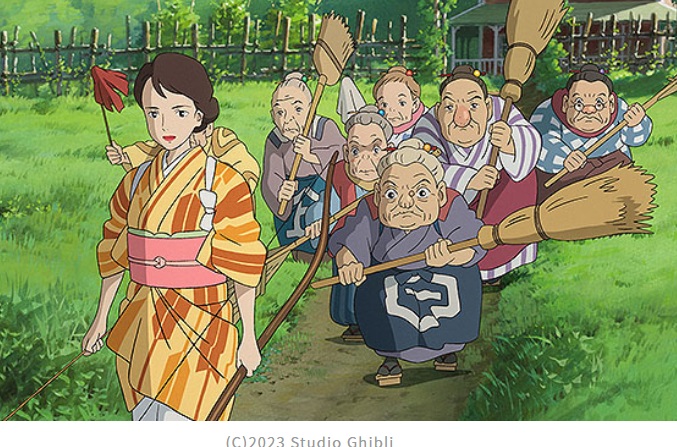
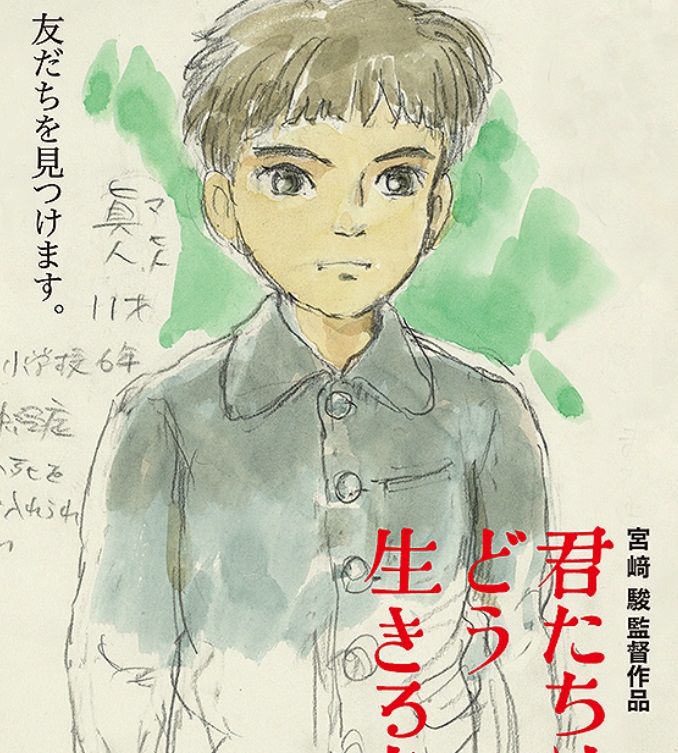
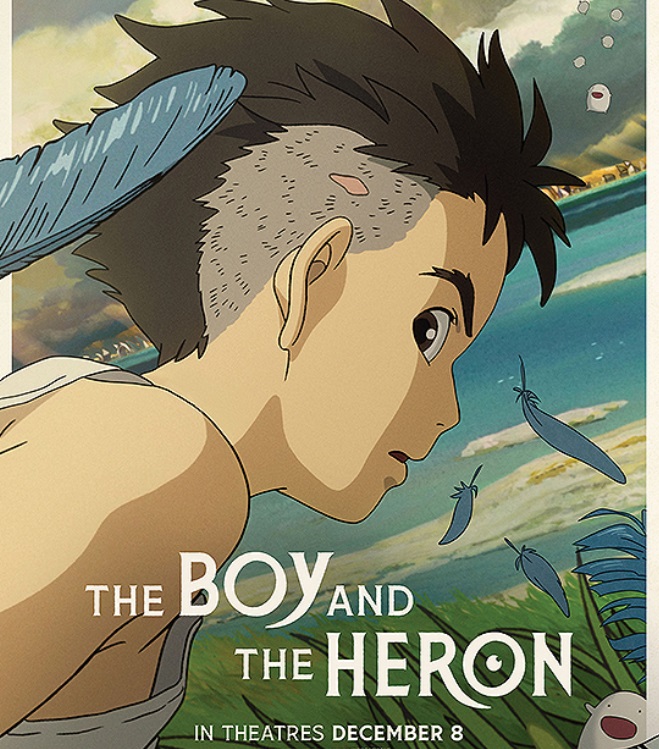
宮崎駿監督が2013年公開の「風立ちぬ」以来10年ぶりに世に送り出した、スタジオジブリの長編アニメーション。「風立ちぬ」公開後に表明した長編作品からの引退を撤回して手がけ、宮崎監督の記憶に残るかつての日本を舞台に、自らの少年時代を重ねた自伝的要素を含むファンタジー。母親を火事で失った少年・眞人(まひと)は父の勝一とともに東京を離れ、「青鷺屋敷」と呼ばれる広大なお屋敷に引っ越してくる。亡き母の妹であり、新たな母親になった夏子に対して複雑な感情を抱き、転校先の学校でも孤立した日々を送る眞人。そんな彼の前にある日、鳥と人間の姿を行き来する不思議な青サギが現れる。その青サギに導かれ、眞人は生と死が渾然一体となった世界に迷い込んでいく。
宮崎監督が原作・脚本も務めたオリジナルストーリーで、タイトルは宮崎監督が少年時代に読んだという、吉野源三郎の著書「君たちはどう生きるか」から借りたもの。アメリカでも高い評価を得て、第81回ゴールデングローブ賞では日本作品で初めてアニメーション映画賞を受賞し、第96回アカデミー賞でも宮崎監督作およびジブリ作品として「千と千尋の神隠し」以来となる2度目の長編アニメーション賞受賞という快挙を成し遂げた。2023年製作/124分/G/日本 配給:東宝 (映画.com「オッペンハイマー」) Oppenheimer Official Site(日本語予告編)


In a ‘vast and limitless world’: the grieving Mahito Maki encounters some ‘beaky interest’ in The Boy and the Heron. by The Guardian
The Boy and the Heron review – overplotted Miyazaki still delights /This article is more than 2 months old
At 82, the revered director of Spirited Away and My Neighbour Totoro has made his most personal film yet – a sometimes unwieldy tale of a 12-year-old boy coming to terms with his mother’s death
It’s the film that the revered animator and co-founder of Studio Ghibli Hayao Miyazaki came out of retirement to make, and it’s arguably one of his most personal. The Boy and the Heron is a strikingly beautiful, densely detailed fantasy that revisits themes and devices familiar from previous films and ties them together with elements that have a clear autobiographical resonance for the director. The dream logic of the narrative seems to have been born from the untrammelled imagination of a child rather than that of a man in his 80s. The lush orchestral score, by regular Miyazaki collaborator Joe Hisaishi, is shimmering and exultant. All the elements are in place. So it seems almost churlish to note that this is middling Miyazaki at best.
Of course, a mid-level Miyazaki film is still a vastly superior entity to much of the more cynically commercial content served up by Hollywood animation studios. And it’s not as if the seductive spell has been entirely broken. But compared with, say, the beguiling simplicity of My Neighbour Totoro, or the richly realised world of Spirited Away, this sometimes feels heavy going. Some of that trademark Miyazaki magic has been stifled by overplotted, incoherent storytelling and an unwieldy final third act.
The backdrop, for some of the picture at least, before it slips into parallel realms, is early 1940s wartime Japan. The boy of the title is 12-year-old Mahito (voiced by Soma Santoki in the Japanese original version and Luca Padovan in the impressive English-language dub). Shortly before the main action takes place, Mahito loses his mother in a hospital fire after a bombing raid on Tokyo. The inferno engulfing the city has a disorientating, impressionistic quality that’s distinct from the precise visual style of the rest of the film, and this striking image of a burning city is one that Miyazaki has cited as one of his earliest childhood memories.
Mahito’s father is the boss of a factory that manufactures fighter planes (as was the director’s own father). He remarries, to his late wife’s younger sister Natsuko (Yoshino Kimura/Gemma Chan), and the still grieving Mahito is forced to relocate from Tokyo to the country estate where his mother and Natsuko both grew up. It’s a curious, cavernous place, populated by a staff of bickering, ancient crones; it comes with a lake and a bricked-up, semi-derelict tower in its grounds.It also has another resident: an insolent grey heron (Masaki Suda/Robert Pattinson) that seems to be taking a particular beaky interest in Mahito.
At the goading behest of the heron, Mahito enters the forbidden tower and finds himself drawn into a netherworld where timelines are knitted together and the infrastructure of the whole domain is controlled by some kind of high-stakes Jenga game. Fellow inhabitants of this world include Kiriko (Kô Shibasaki/Florence Pugh), a dashing sailor and fisherwoman who is skilled in magic, and the fire maiden Himi (Aimyon/Karen Fukuhara), as well as Mahito’s new stepmother, Natsuko, and a community of giant man-eating parakeets.For a director who is so famously preoccupied with the idea of flight, Miyazaki reveals an unexpectedly complicated relationship with birds in this picture. In addition to the monstrous parakeets that eye Mahito greedily, cutlery at the ready, there is also a flock of pelicans that feed on gentle floating creatures called the Warawara. And then there’s the heron, which soon loses its elegant avian form and morphs into one of Miyazaki’s less lovely creations, a wart-encrusted, goblin-like henchman in service to the ruler of this magic kingdom – an ageing wizard who, it turns out, has a connection to Mahito’s family. Ultimately, family – even a fractured, imperfect family scarred by loss – is elevated, forming the central spine of this picture, as it does in so many of Miyazaki’s movies.
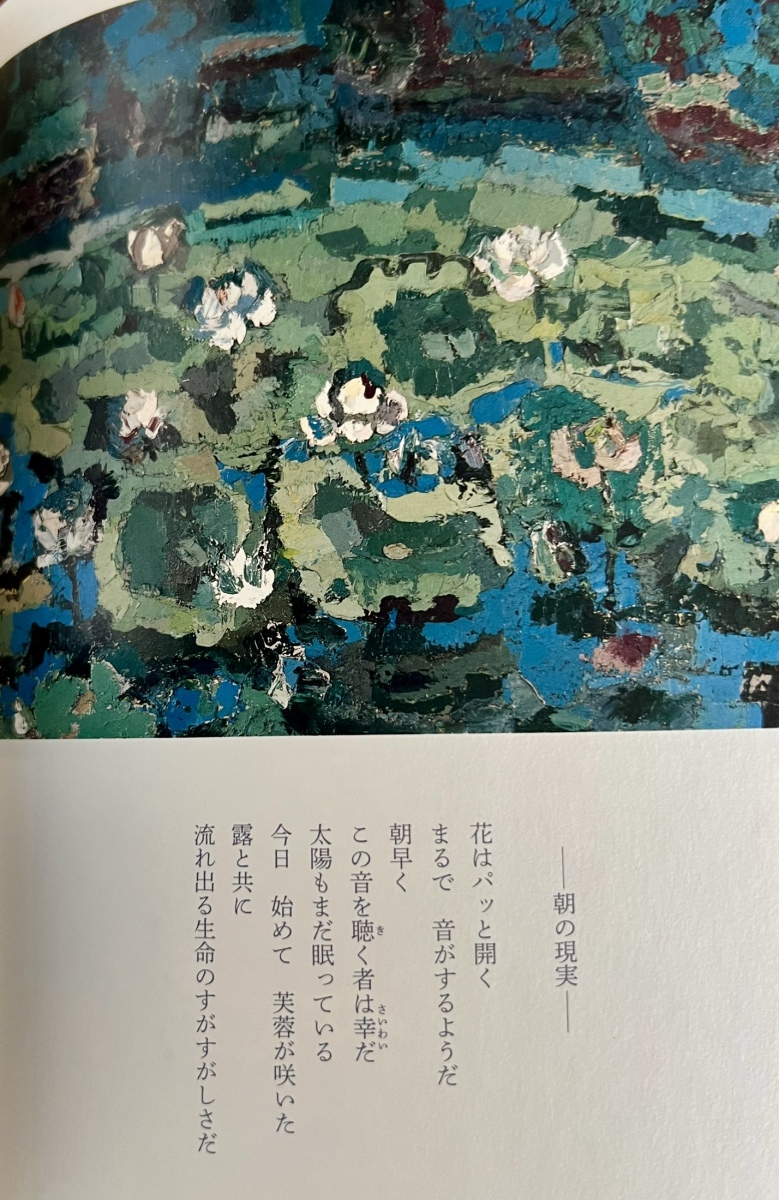
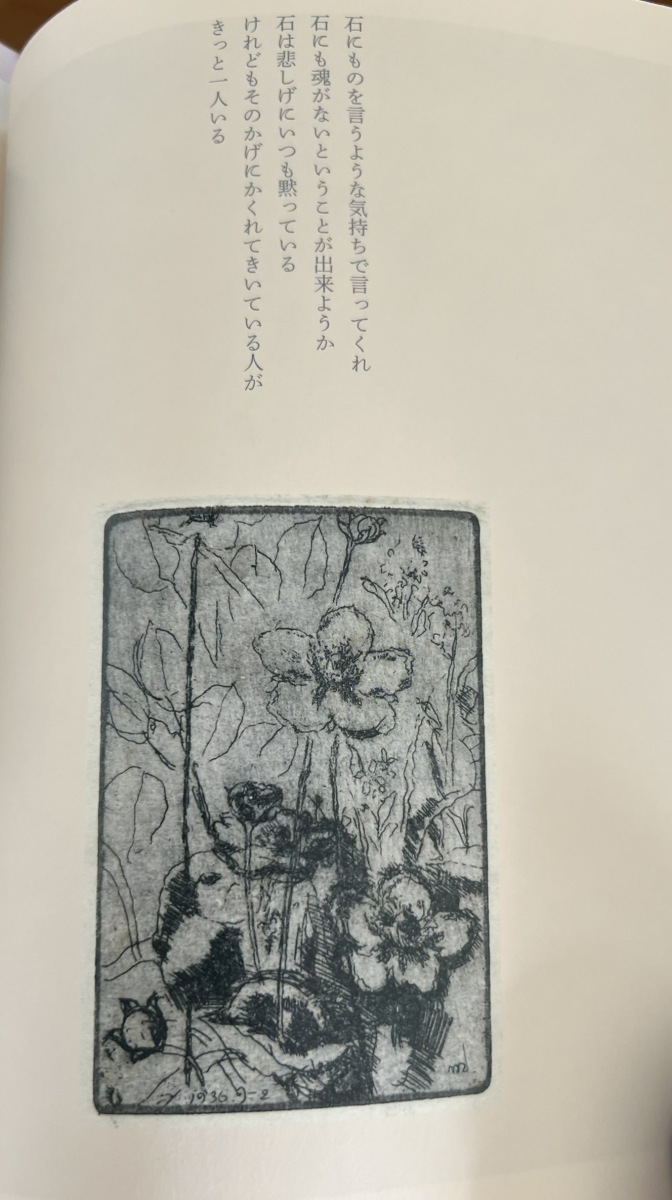
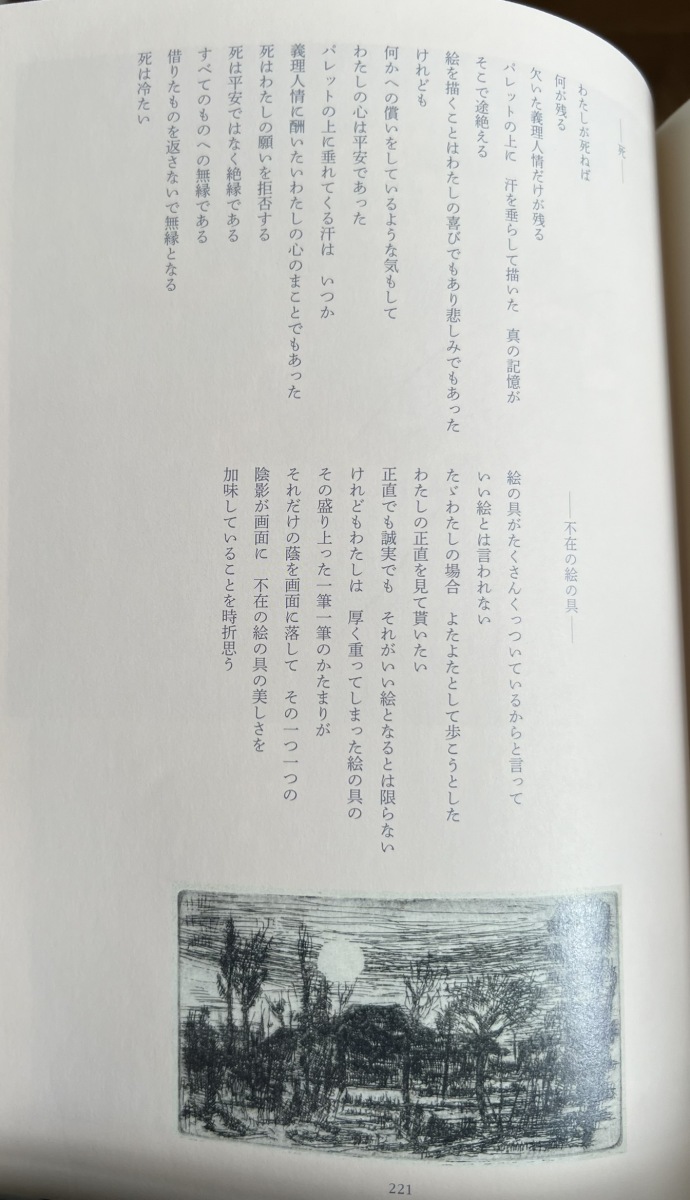
宮芳平:野の花として生くる
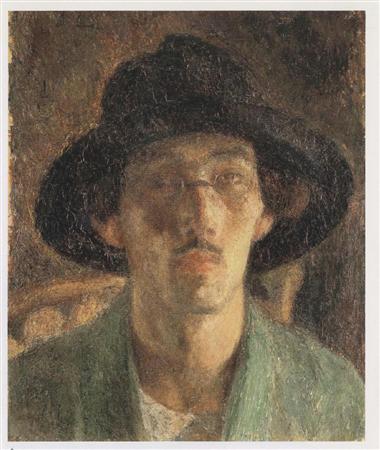
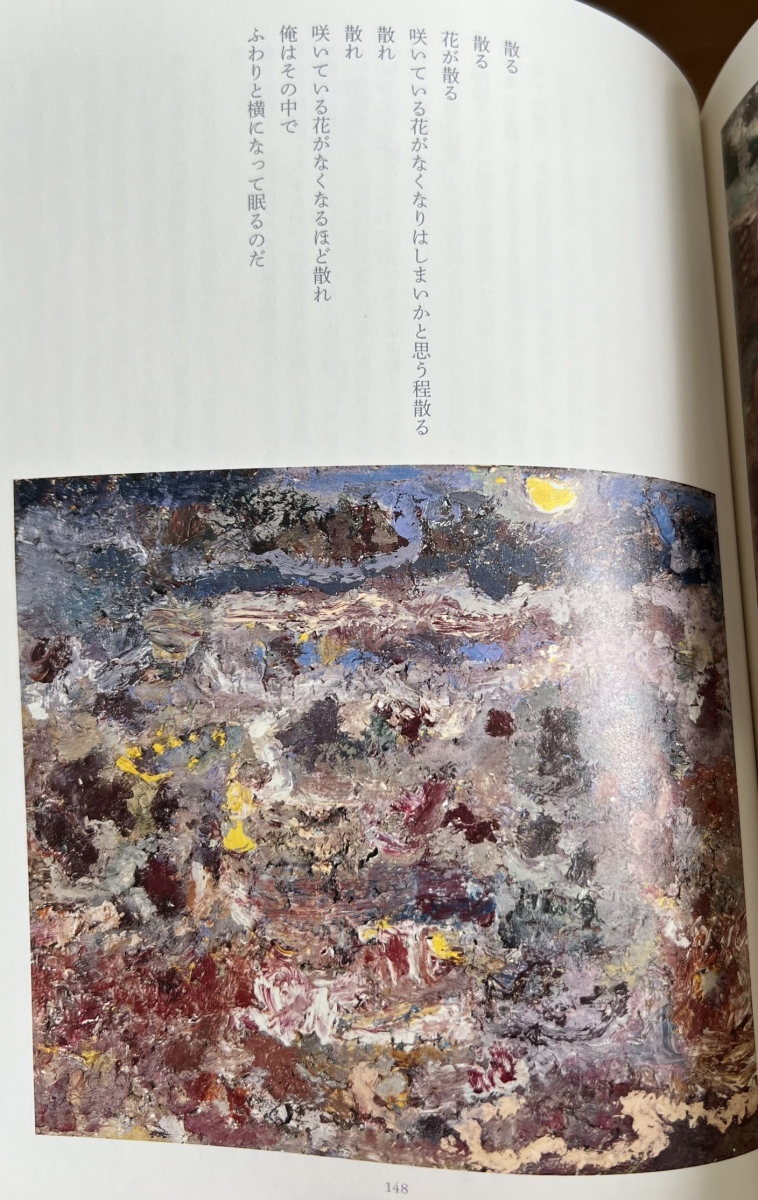
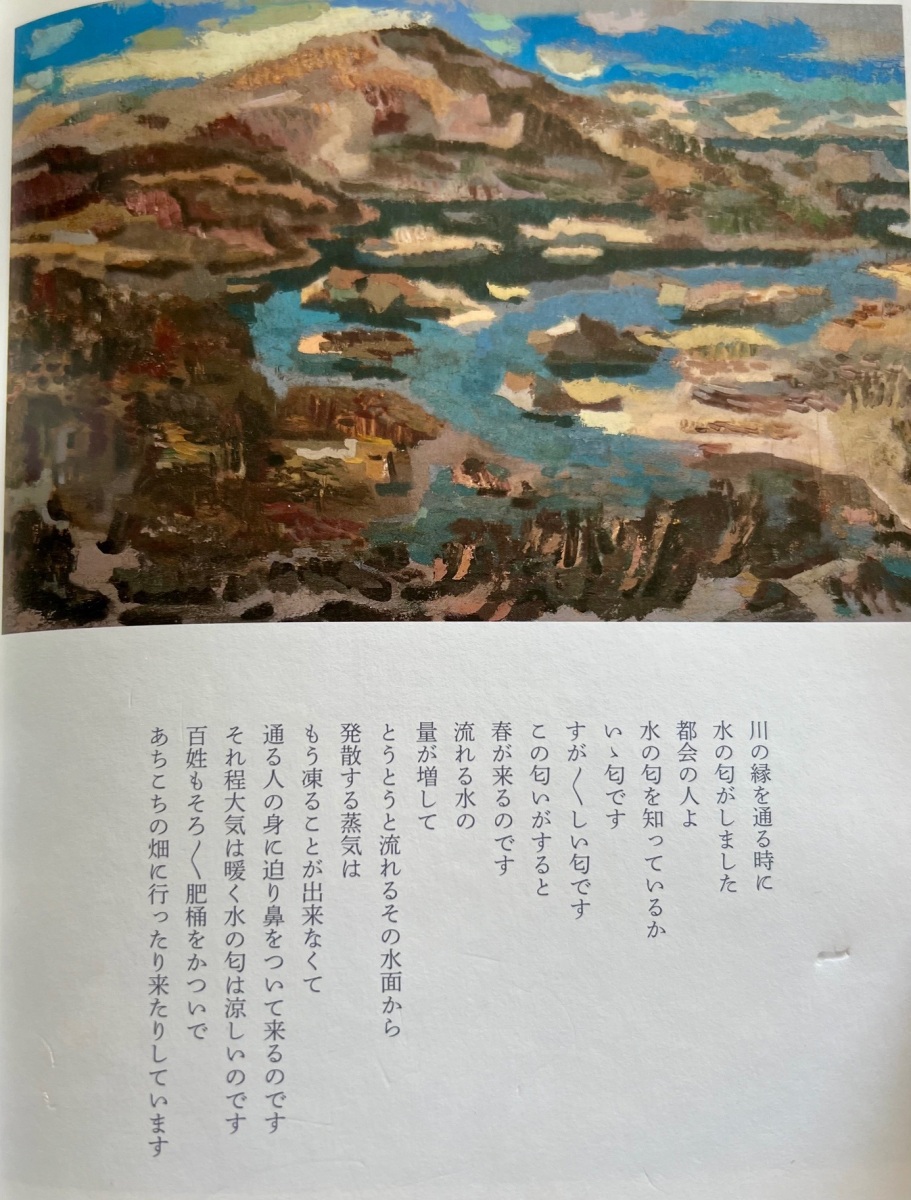
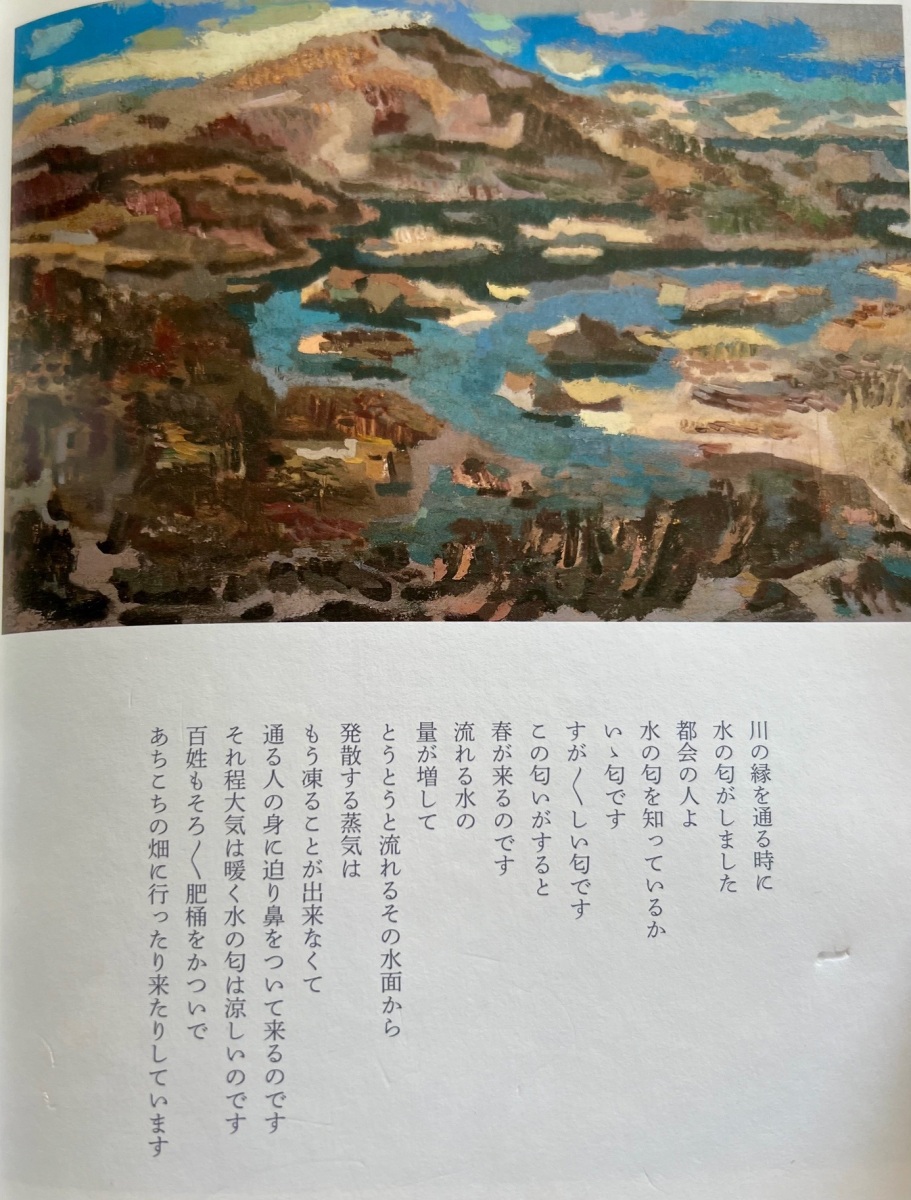
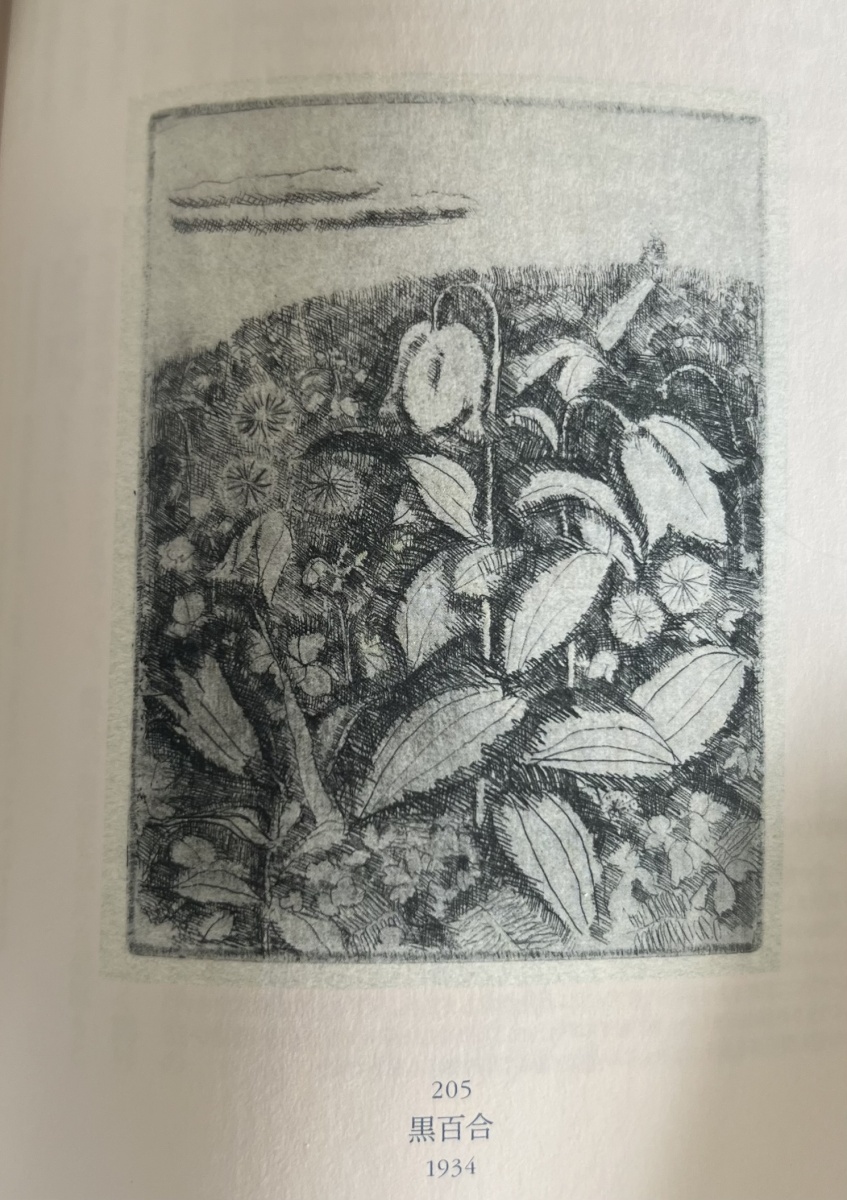
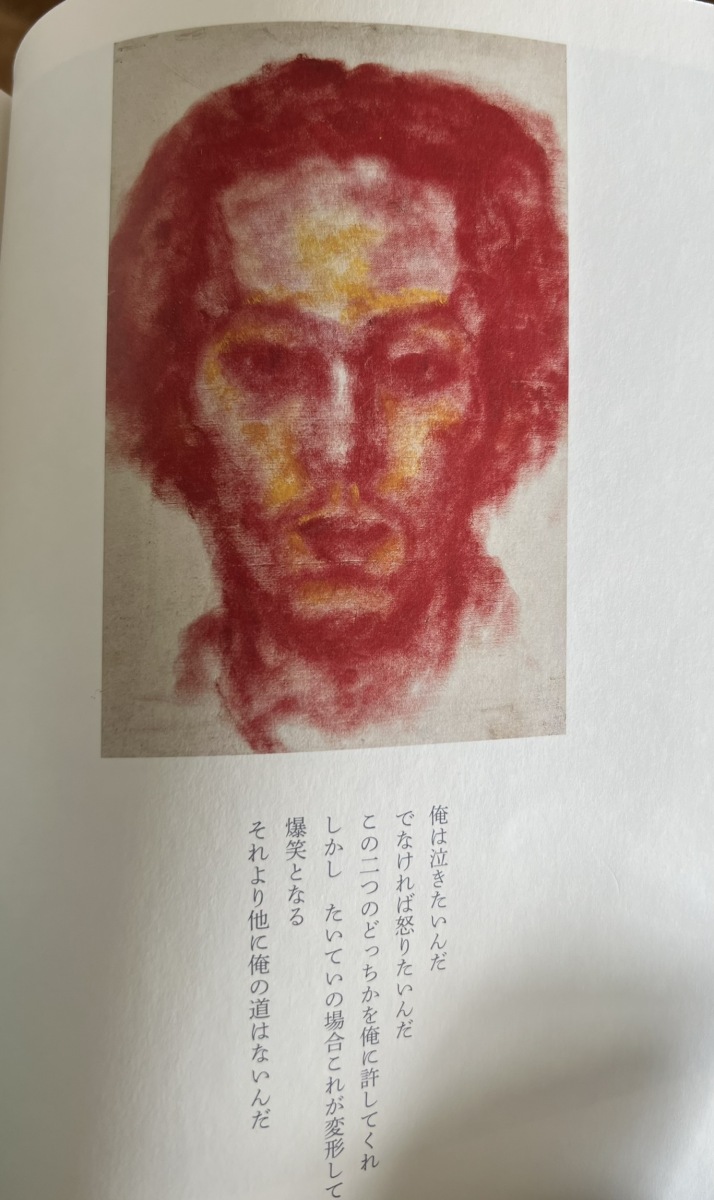
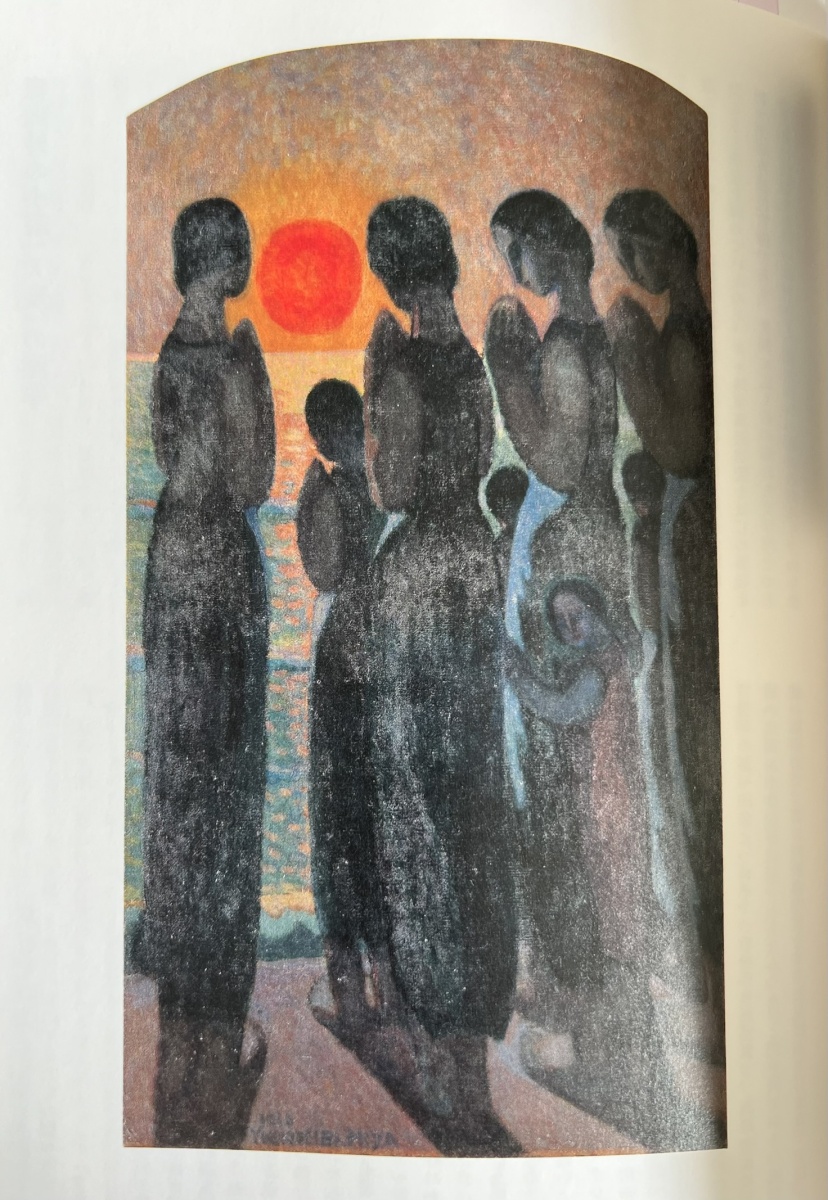
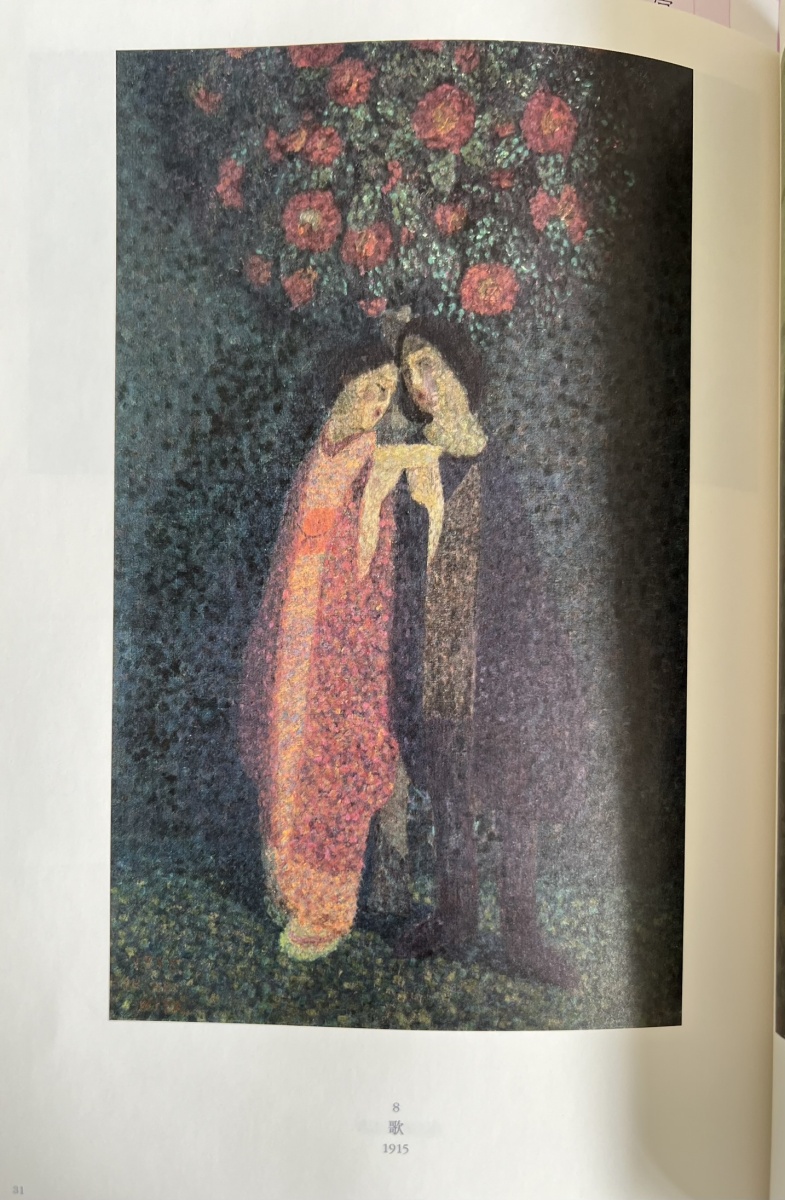
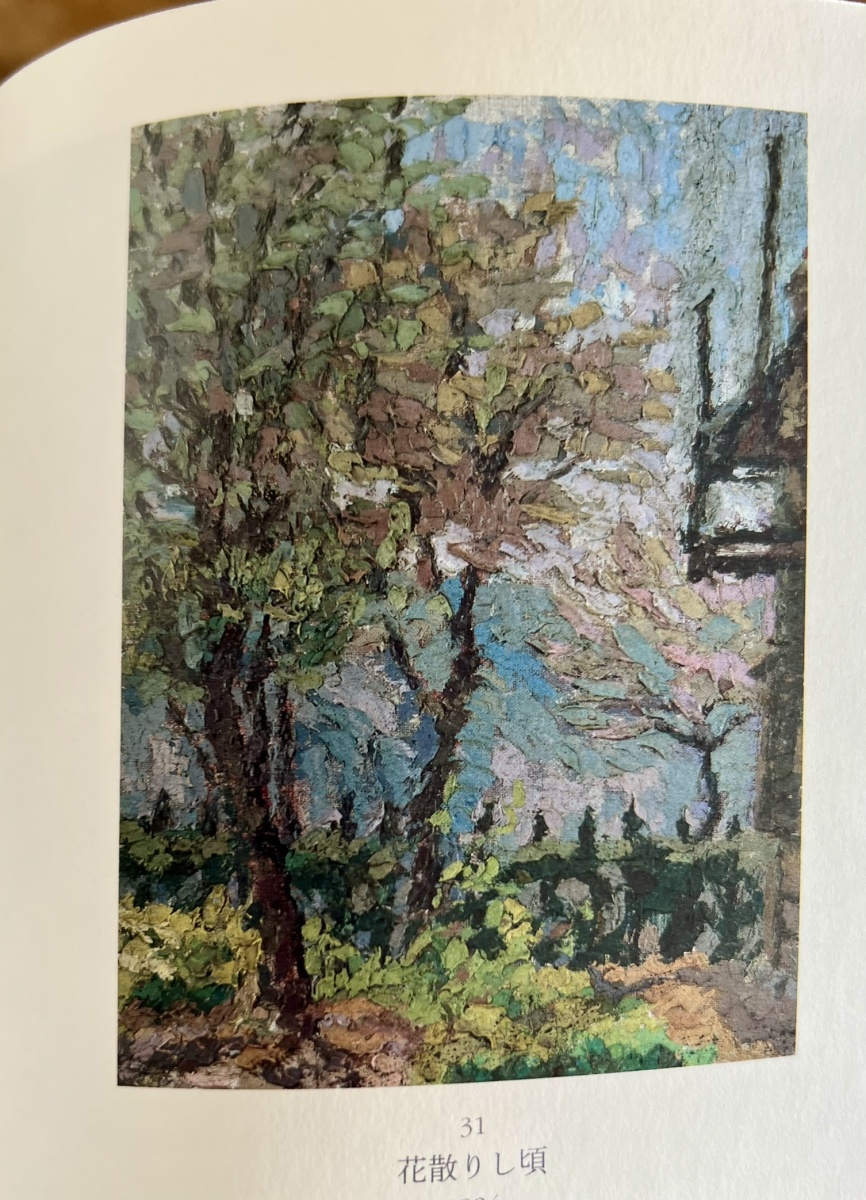
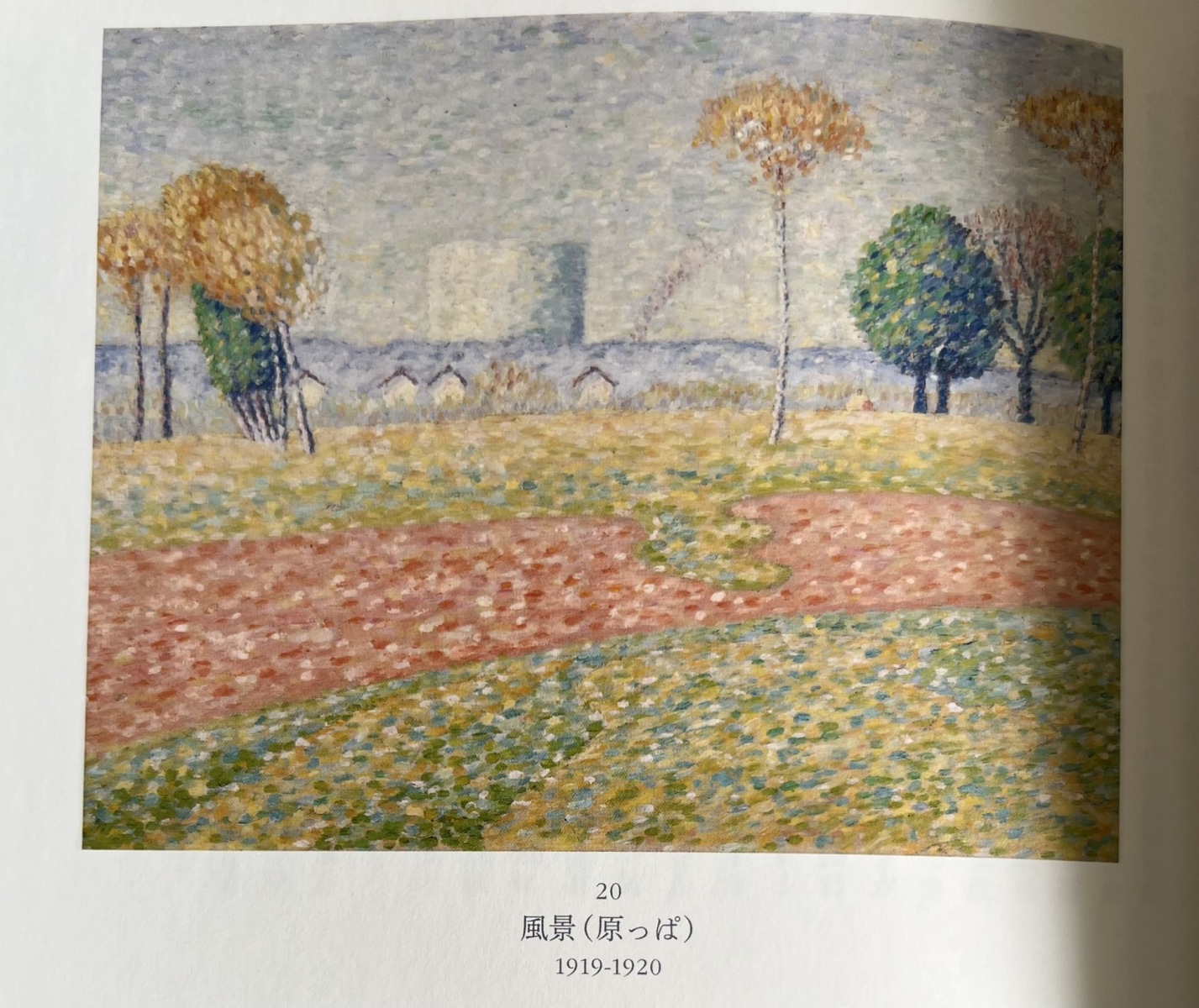
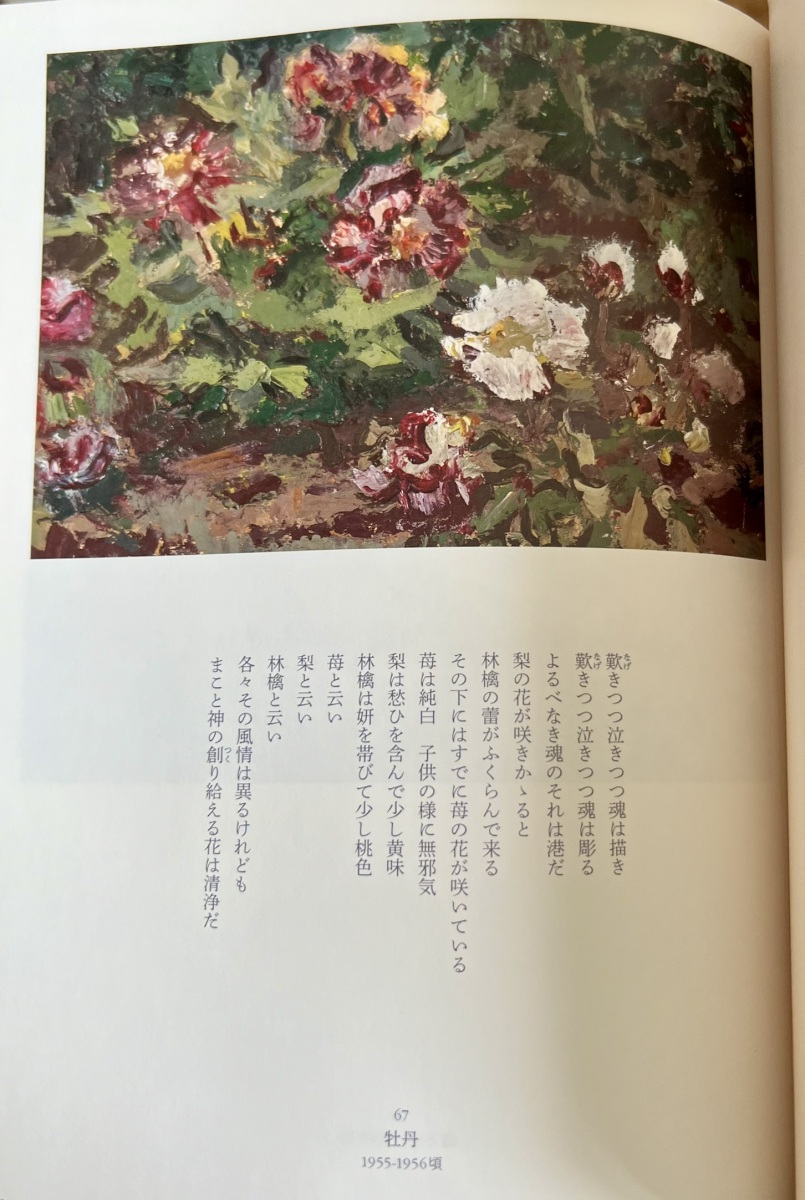
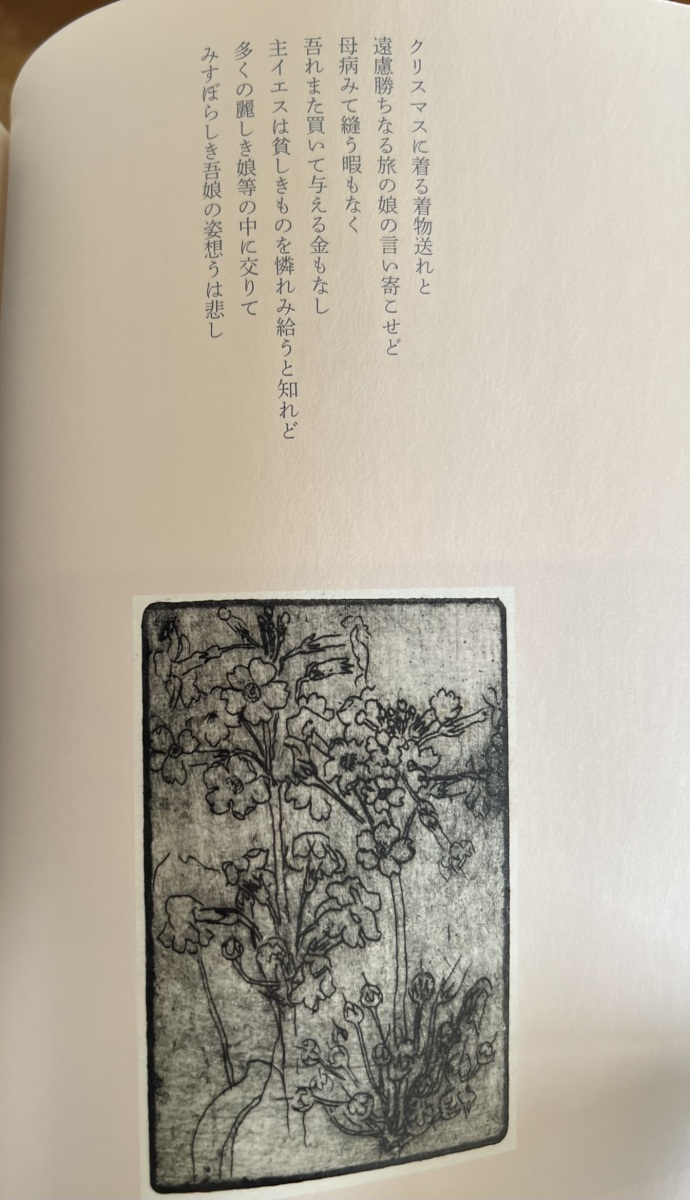
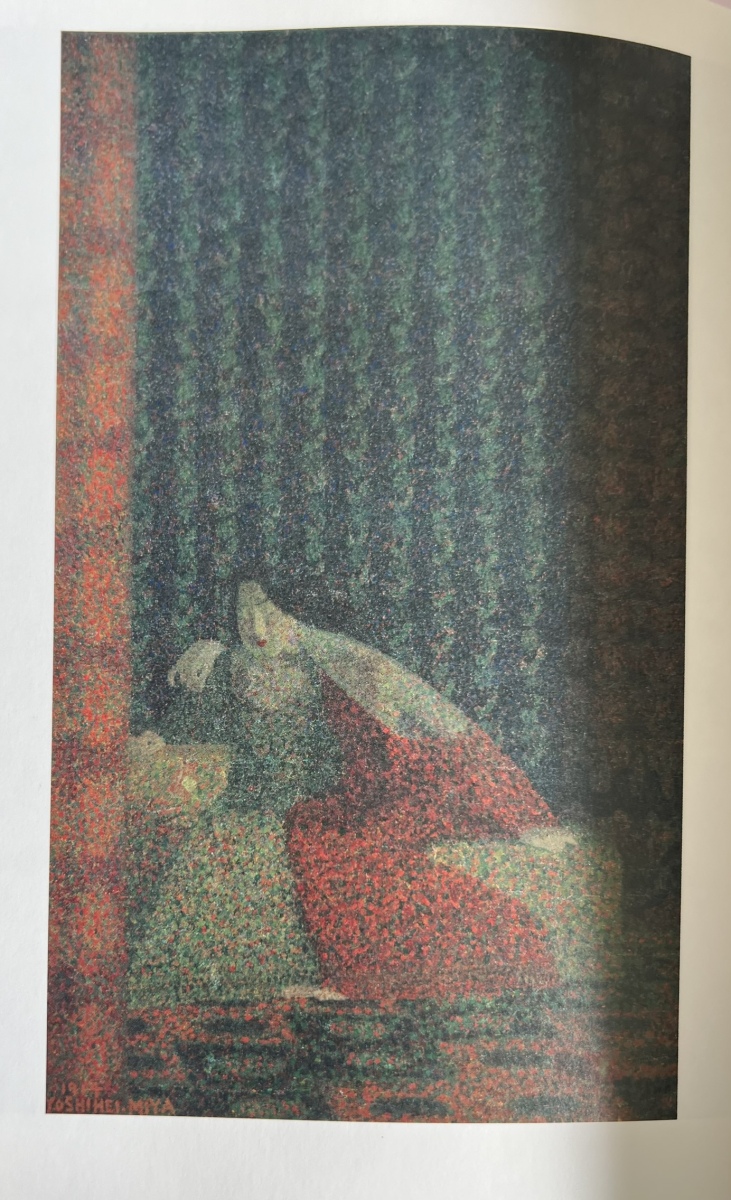
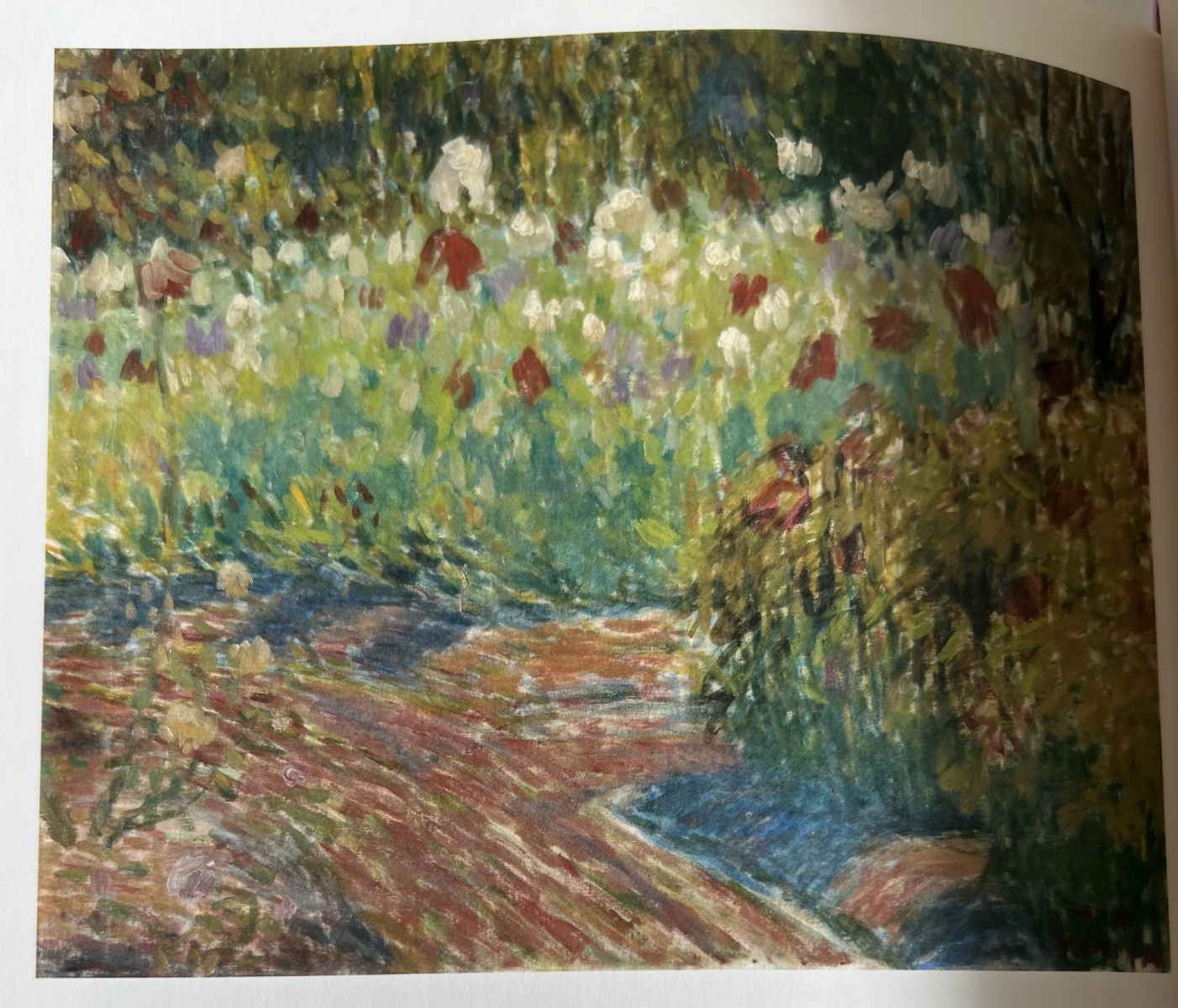
宮芳平画文集 「野の花として生くる。」が届いた。何の装いもなく野の花や自然なるもの、自分の生と絵への憧れ、美術教師としての喜び悩みをつづった画文集。ミレーになろうとし、ゴッホやセザンヌにも見えるような絵をひたすら描いた。美しい画集だ。(Yoshihei Miya: 1893-1971, age77) 2011:「路傍の聖者ー宮芳平展」
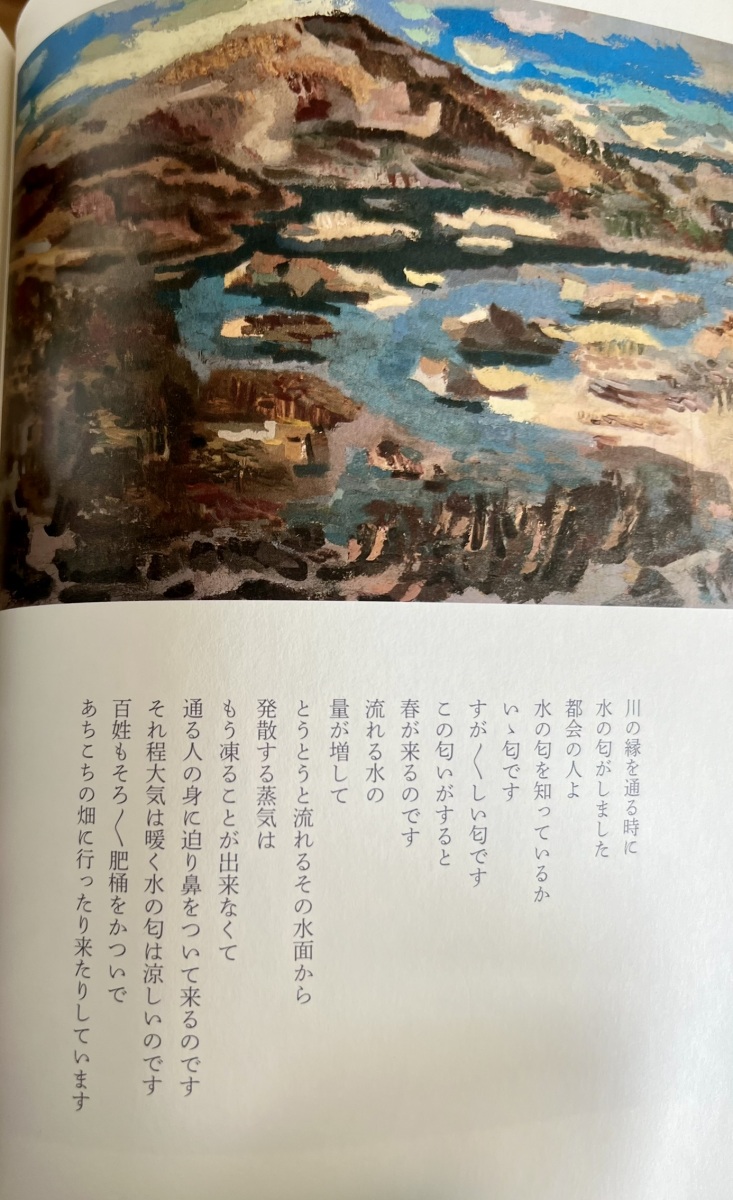
「川の縁を通る時に 水の匂がしました 都会の人よ 水の匂を知っているか いい匂です すがすがしい匂です この匂がすると 春が来るのです ・・・」「雪解くる頃」
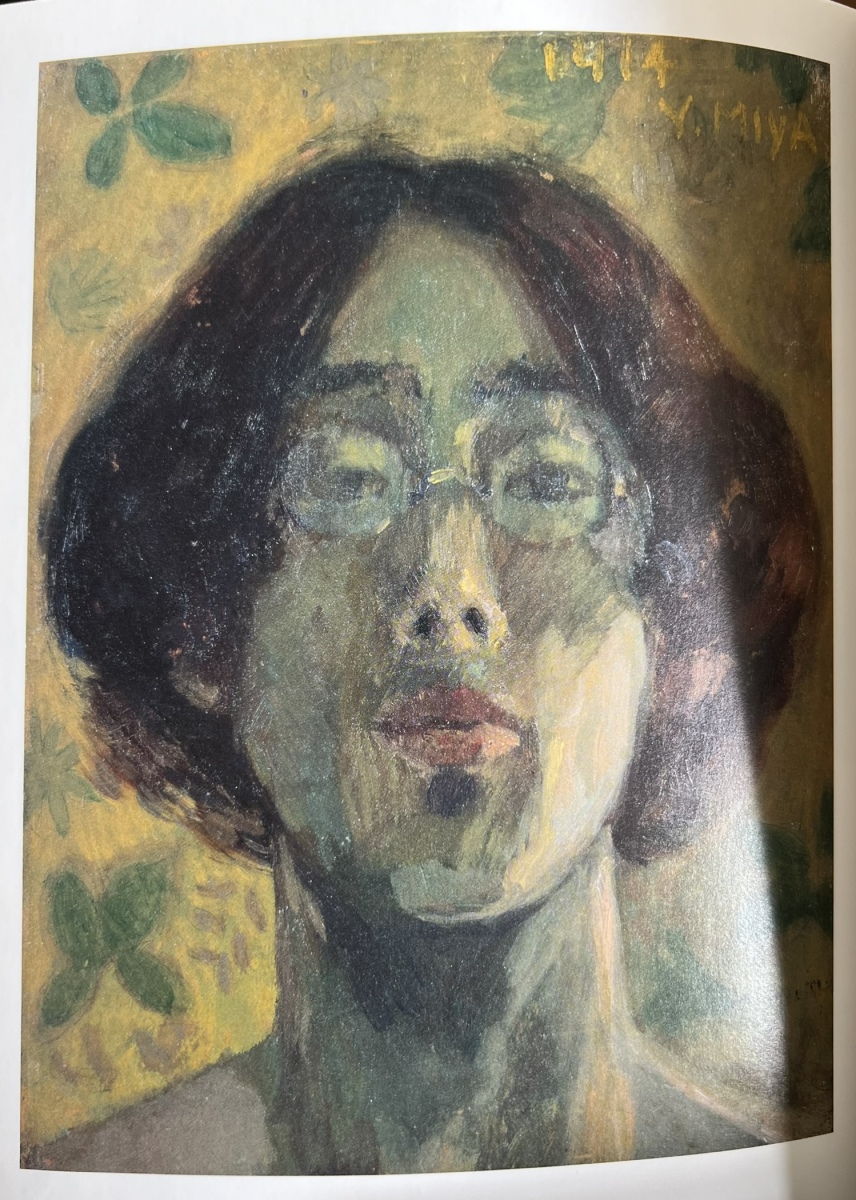
練馬美術館で見た「自画像」
「地面に落ちた草の種が、そこから芽を出し生え出るように、俺も自分が置かれた場所から芽を出し生え出る、そこがあまりいヽ地面で奈かったとしたところで、それが何としやう、芋の種は決してそこから動かない・・・」
自画像


「路傍の聖者ー宮芳平展」2011
Haiku Poem, 2024 Jan.-Mar.
1月 2月 3月 (1/9「Haiku集 2014-2024」 ) (2/6 Nakano先生「共鳴句」) (朝日俳壇2月) (俳句「定型句」教本)
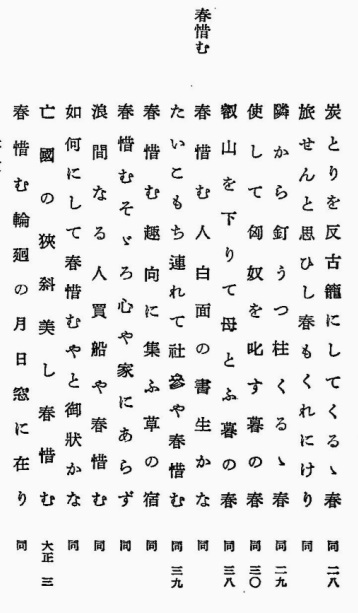
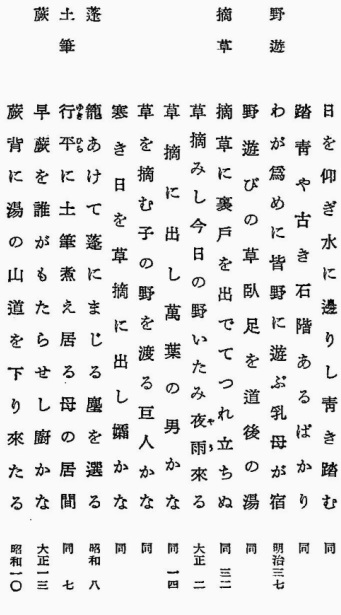
<春の季語> 春睦月 立春 早春 春浅し 余寒 春寒 春めく 雨水 二月尽 仲春 如月 啓蟄 春分 彼岸 春社 春の日 春光 春の空 春の雲 春の月 朧 朧月 春の星 春の闇 東風 春一番 風光る 春疾風 霾 春雨 春時雨 菜種梅雨 春の雪 斑雪 雪の果 春の霙 春の霰 春の虹 春雷 霞 陽炎 春陰 花曇 蜃気楼 逃水 春の山 春泥 残雪 木の根 雪崩 雪解 凍解 薄氷 氷解く 流氷 鞦韆 春の風邪 朝寝 春眠 春の夢 春愁

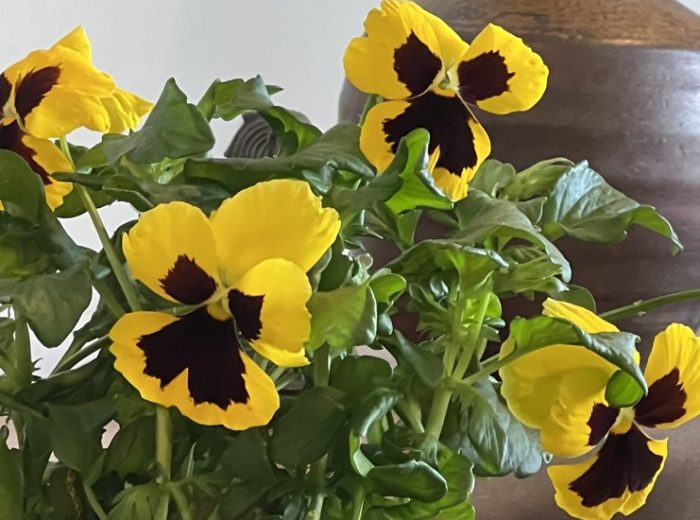
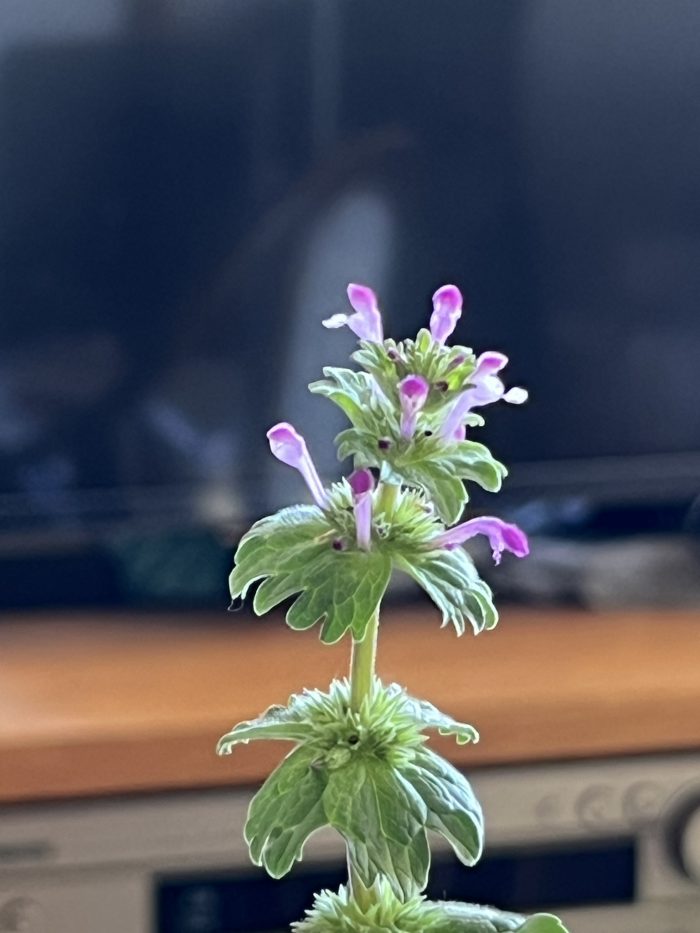
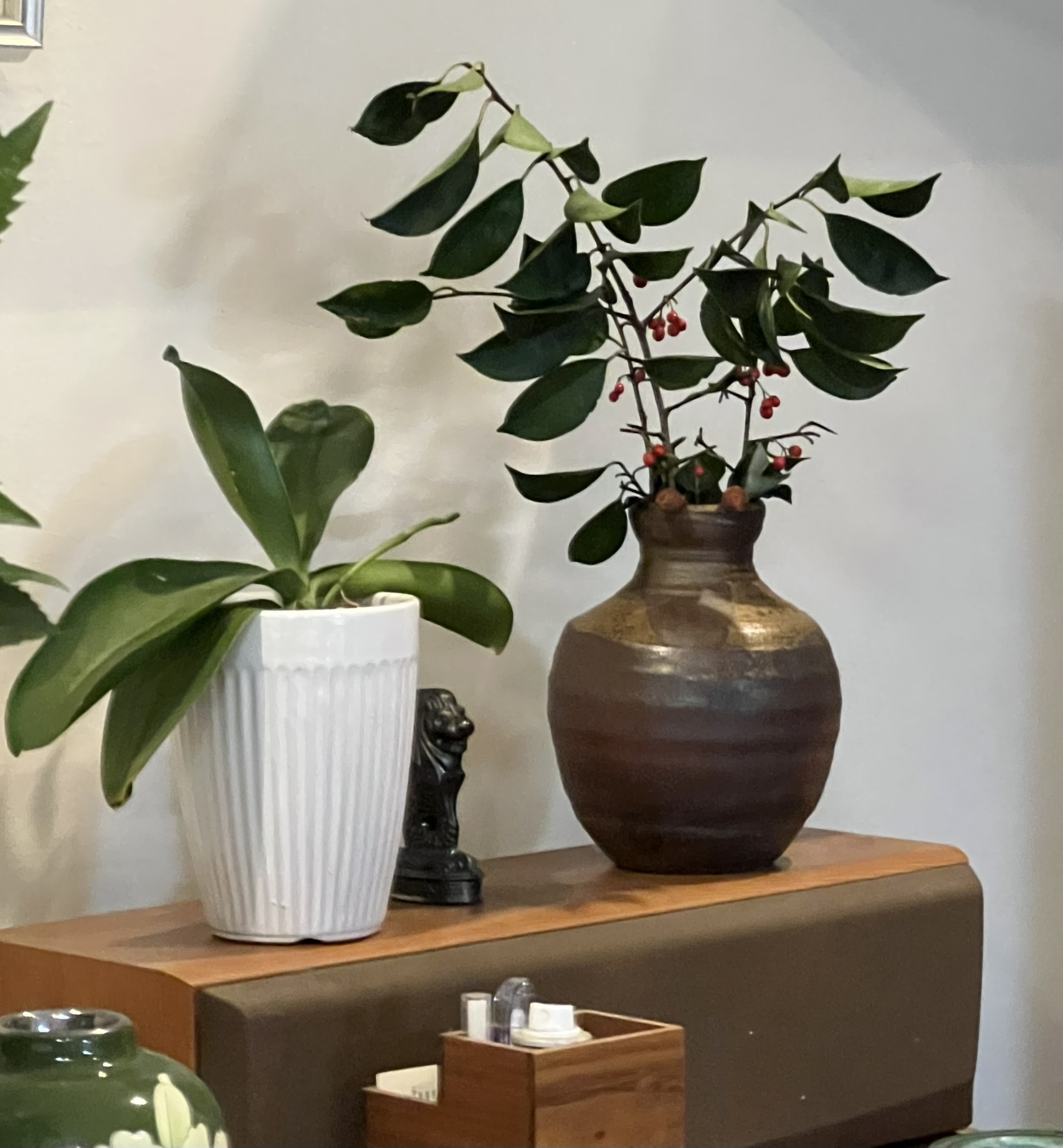
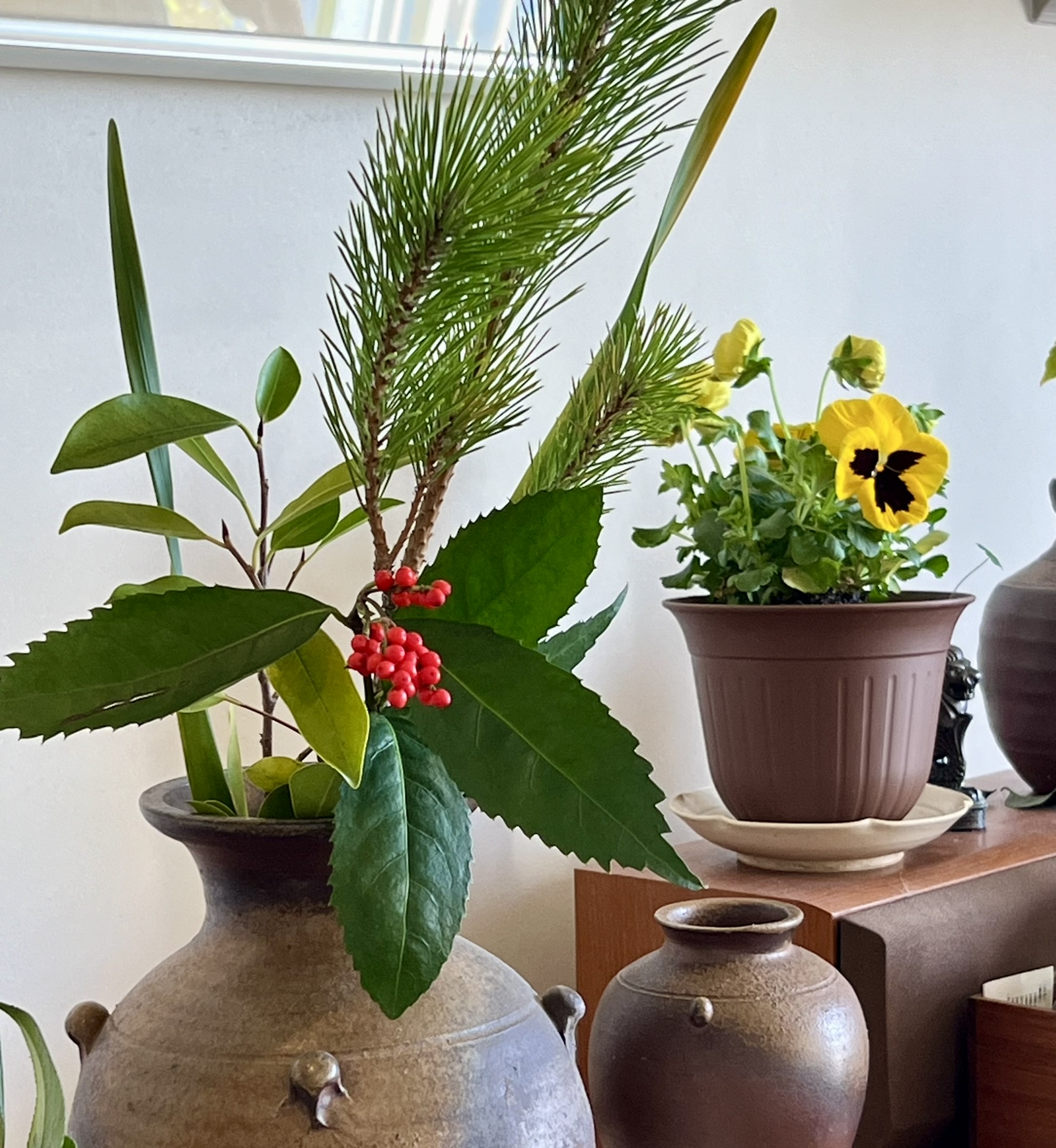
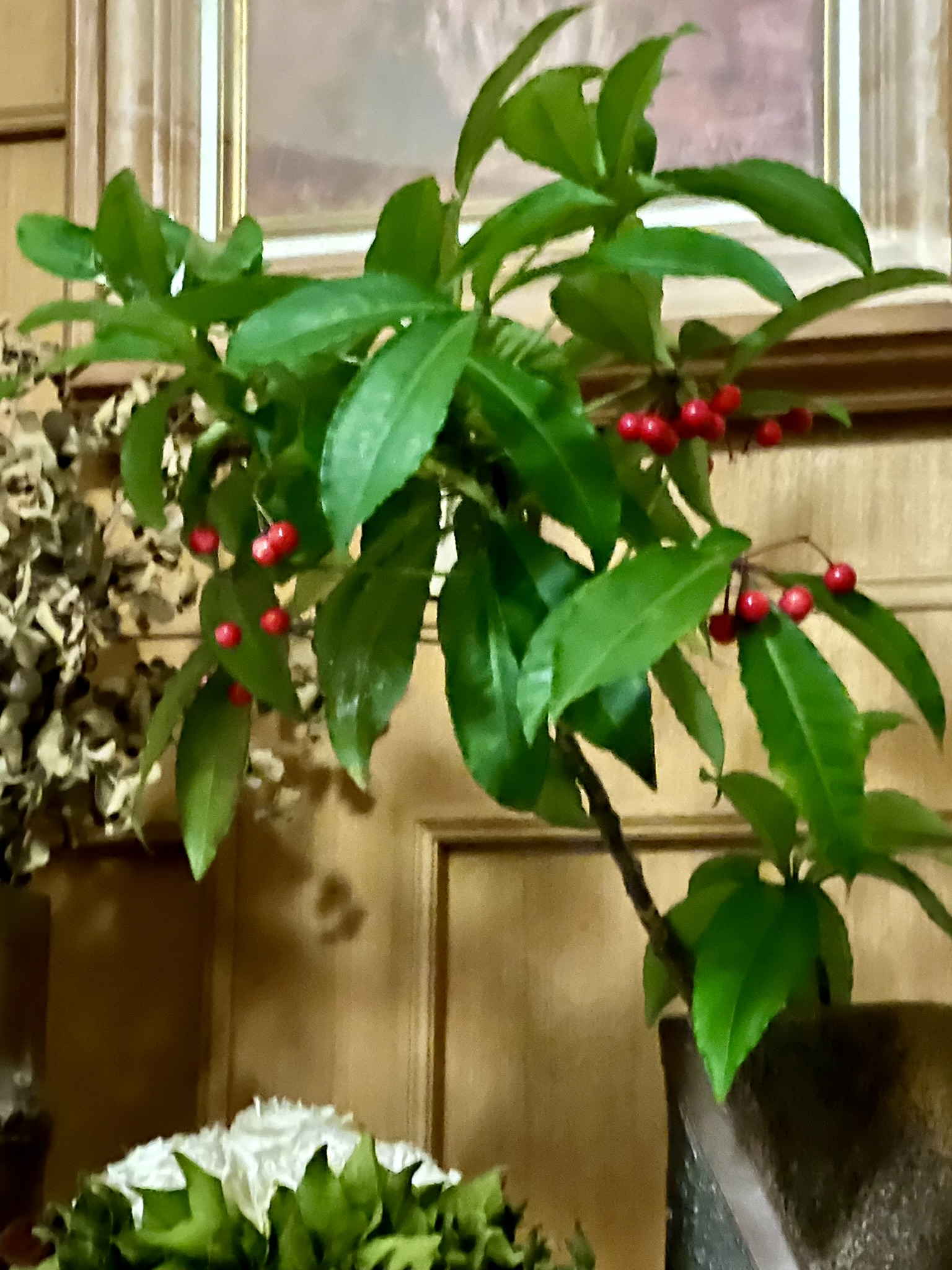
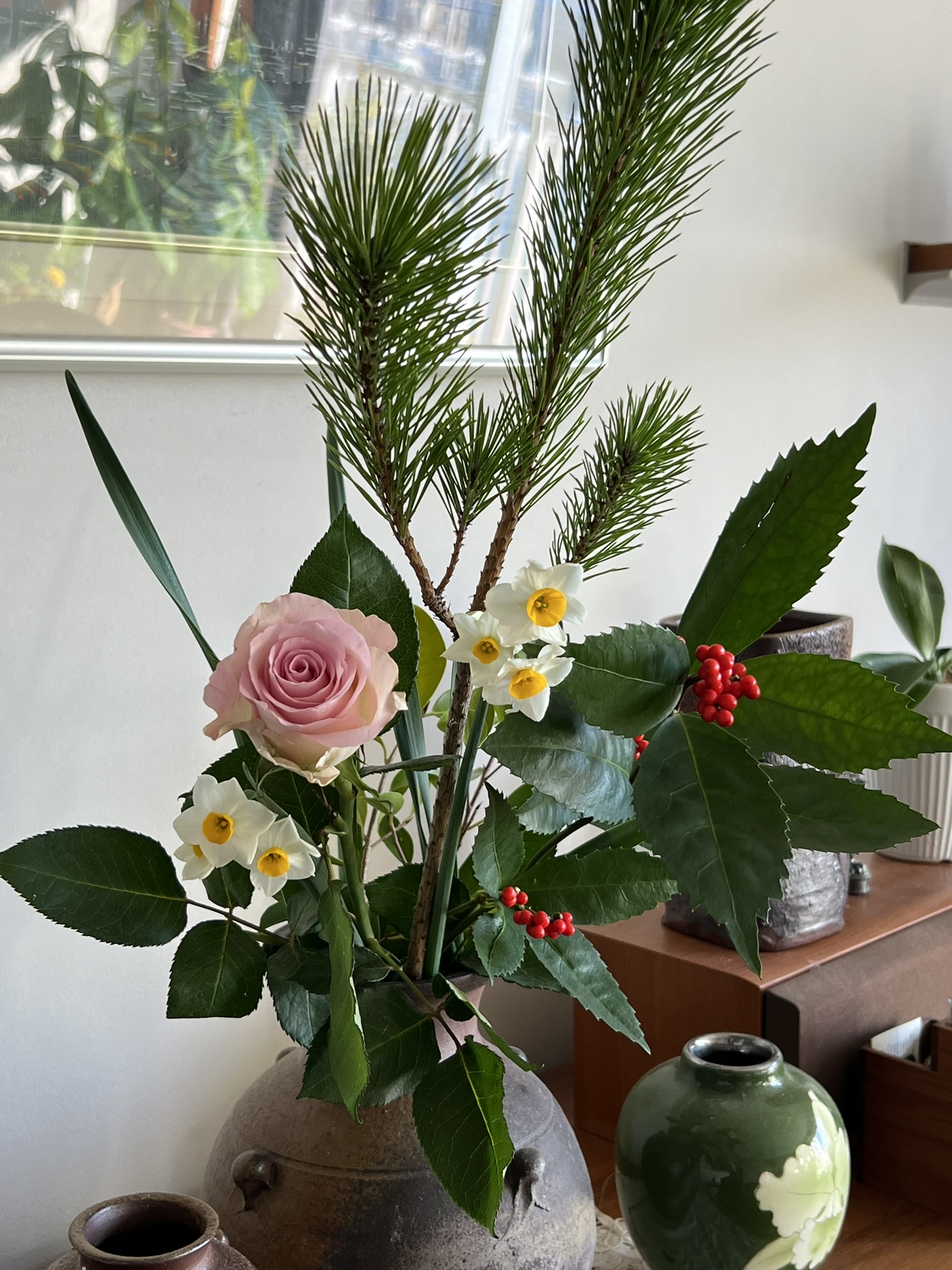
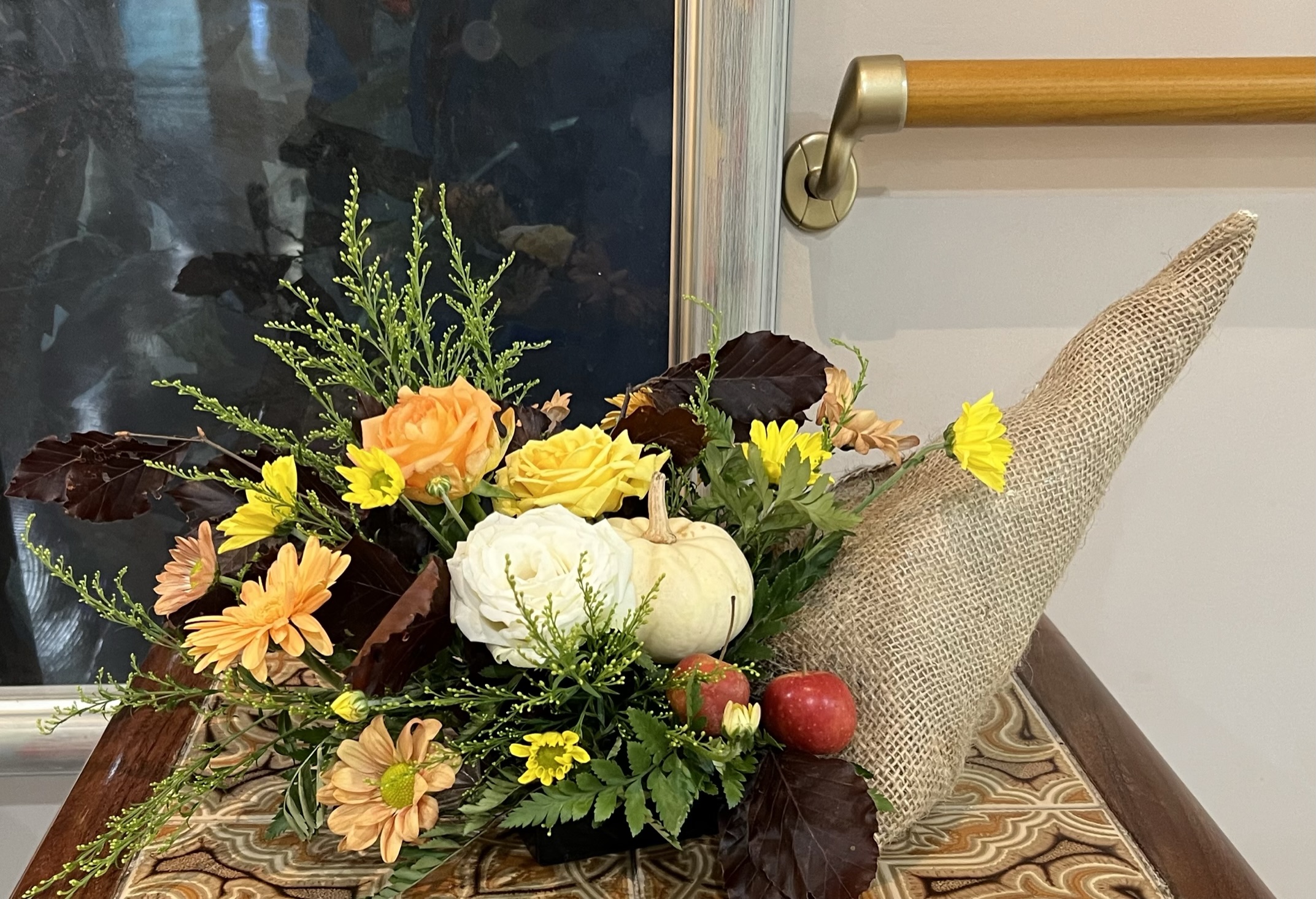
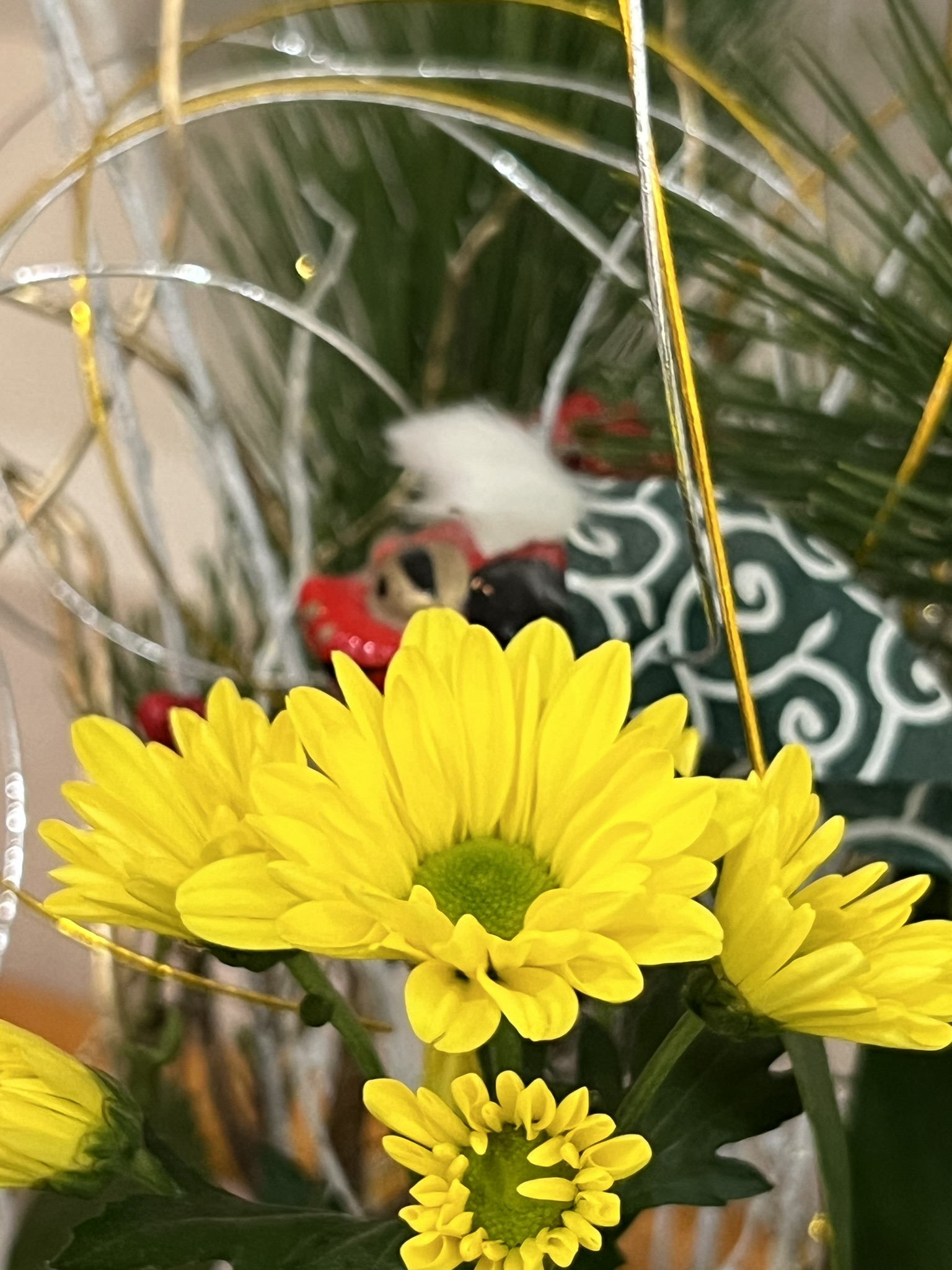
(お正月を飾ってくれた花たち)![]() ![]() ![]() ![]() ◆ 千両と万両飾り’24 ◆ 薔薇パンジーハイビスカスのお正月 ◆ 権現の山にこそあれ藪ツバキ ◆ 鎌倉の庭からひょっこりロドレイア |
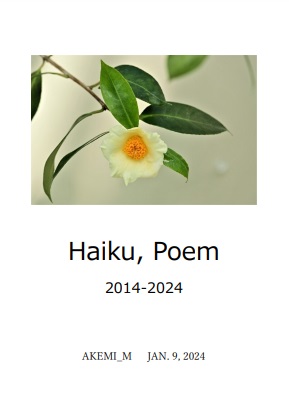
1/9 「Haiku集 2014-2024」を作った(こちら)
2/6 Nakano先生からの「共鳴句」
- 2017/4/6 🌸孫と来て神田川辺の花見かな
- 🌸鎌倉や寺をめぐれば花いかだ(Simon)・・妙法寺で
- 🌸✩ 掲示板の番号指しつ孫に春
- 🌸◇ 交響曲イタリア響く秋の宵
- 🌸鎌倉の庭に香るや金木犀
- 🌸秋の雲ふわり流れて湾(うみ)青し
- 🌸背を伸ばし歩いてみたり秋の日に
- 🌸Even in a wheelchair I felt joy and happiness on that autumn day
- 🌸”また明日”友と手を振る秋の暮
- 🌸あの日からはや1年の冬至かな
- 🌸春近し戸外歩行で陽のもとへ
- 🌸山裾にポピーが二輪風に揺れ
- 🌸Daycareの道に真白きハナミズキ
- 🌸我が歩み励ます友のドレミの歌
- 🌸降る雨にピアノの音よ溶けてゆけ
- 🌸三角の笹の葉開き粽食む
- 🌸陽に映えて金の穂揺らすあわだち草
- 🌸ミズヒキのちいさき花のそっと咲き
- 🌸冬枯れの山にかそけき日差しあり

2/5 平潟町にも少しだけ雪が降った。
(O先生宛)金沢八景・平潟町は雪がぱらついた程度でしたが、私が通う、円海山のふもとに立地するデイケアは、今週火曜日がお休みになるほど雪が積もったそうです。昨日行きましたら、道路脇にまだ雪が残っていました。
| ◆ 降る雪に我をうましし母思う ◆ 里山に雪の降る朝我生まる |
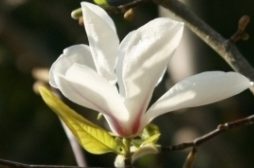
| ◆ デイケアへ上る坂道まだら雪(なごり雪) (2/9) ◆ 雪残る山裾に今日春の風 ◆ 夕日射す山の斜面に浅き春 |
2/13 久しぶりに外へ出た。潮の香りが強くて驚いた。
◆ 春の日や戸外の潮の香新しき ![]() |
2/16 俳人中野湘舎さんから昨日、少しばかりのお礼の品へのお礼としていただいた素敵な俳句。
永き日やあしたも生きてゐるつもり

| 🌸◆ いづこより春は来たるや山遠し (「良く出来ています」・・湘舎先生4/10) ◆ 春の山雪解け水を野に畑に ◆ 雪解けの水音聴きて春を知る ◆ 雪解けや小川の水もぬるむかな ◆ 雪解けの道に小さき春の跡(乾いた土が見える) 🌸◆ 雪解けの道に小さな土も見ゆ (○印:湘舎先生 4/10) |
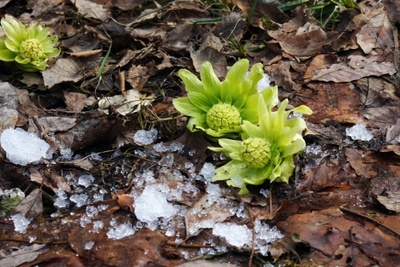
里の春「フキノトウ」 ☆ふるさとの思い出は、なぜかすべて雪解けの春から始まります。とりわけ春の花々が懐かしく思い出されます。「春」は若い日の夢と希望の象徴だったからかもしれません。

| ◆ 春の朝床の背中の暖かさ ◆ 吾子の声聞きつつ昼寝春の午後 3/14 ◆ 春の陽に雑木林の明るさよ(明るけし) 3/15 ◆ 春の陽や雑木林も光りおり 3/15 |
3/17 平潟湾に風が吹く
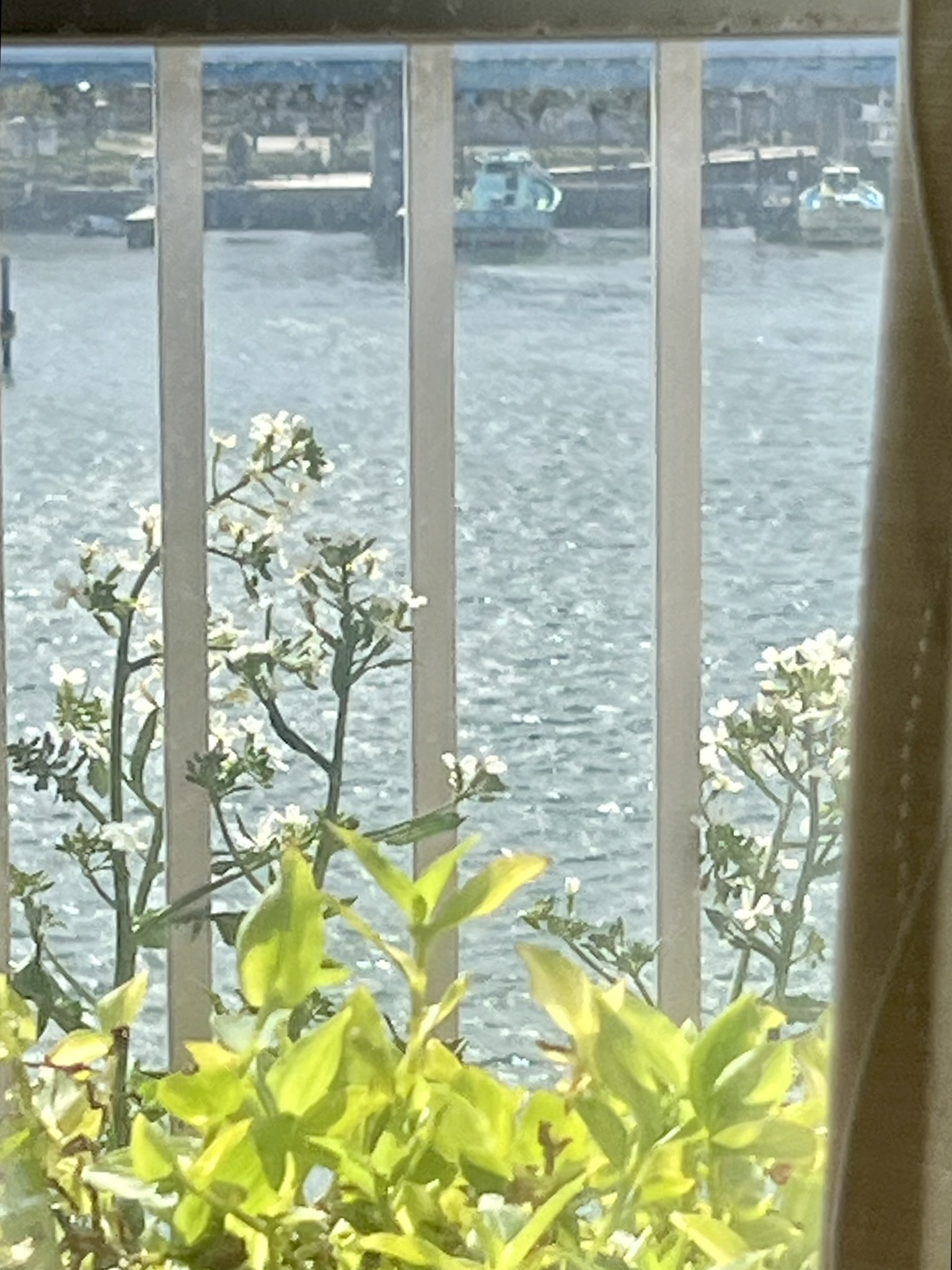
![]() ◆ 春風や大根の花北に揺れ ◆ 春風に北向く白き花大根 |
3/22 こもれびの雑木林に春風が吹いていた。
| ◆ 春風や冬木の林通り抜け ◆ 春風や雑木林の草揺らし 3/15 ◆ 春風や青空に花ふたつみつ ◆ 春風に花も咲く日を待ちかねり |
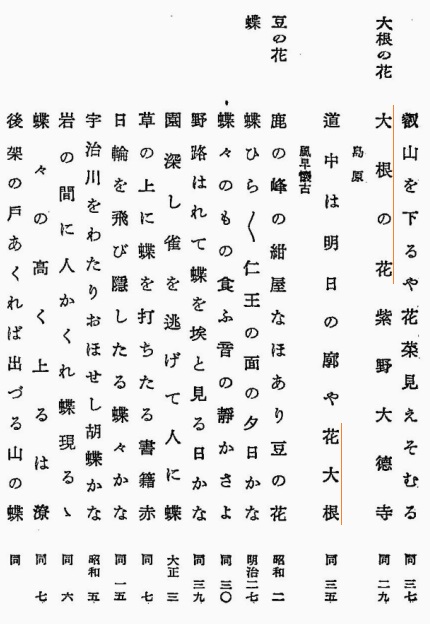
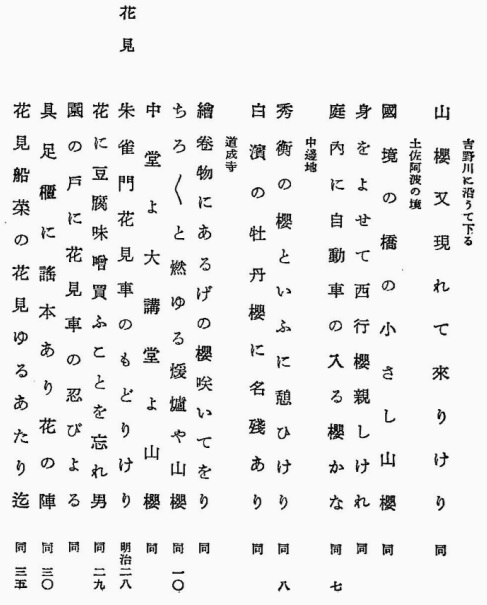
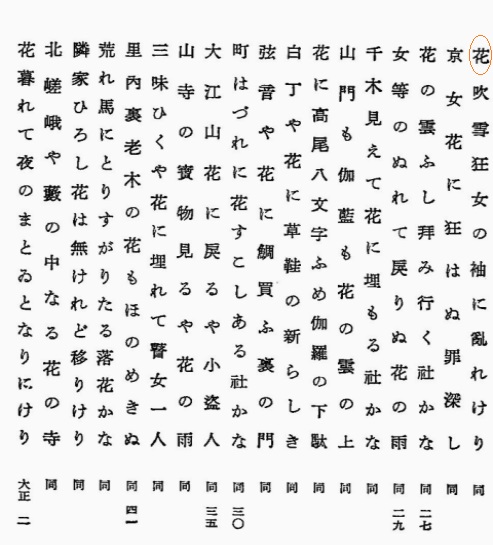
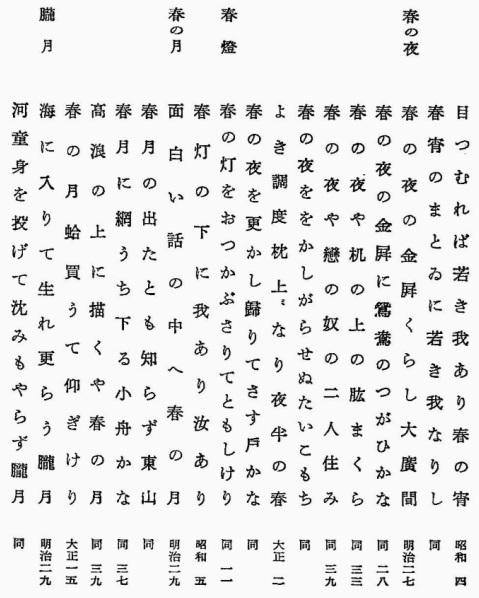
高浜虚子「自薦句集(復刻版)」より


Haiku Poem, 2023 Oct.-Dec.
秋の季語
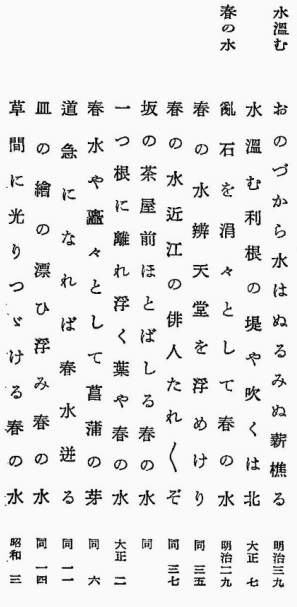
秋の山 秋の野 花野 秋の田 刈田 秋の水 水澄む 菊人形 きのこ狩り 紅葉狩り 芋煮会 秋思 椿の実 橡の実 柿 林檎 葡萄 栗 初紅葉 薄紅葉 黄葉 照葉 黄落 柿紅葉 雑木紅葉 漆紅葉 銀杏黄葉 桜紅葉 樫の実 椎の実 コスモス 皇帝ダリア 白粉花 鳳仙花 秋海棠 菊 残菊 紫苑 風船葛 弁慶草 稲 稲の花 落穂 稗 玉蜀黍 蕎麦の花 野菊 藤袴 曼殊沙華 桔梗 女郎花 男郎花 吾亦紅

冬の季語
- 冬の朝 霜柱 小春 霜月 冬至
- 冬晴、冬早、冬の星、冬北斗、冬の空、冬の雪、冬の月、冬昴、天狼、冬凪、冬の風、寒波、北風、空風、冬の雨、しずり、冬の雷、冬霞、冬の霧、
- 冬着、冬の山、山眠る、冬野、枯野、朽野(くだらの)、冬田、枯園、冬景色、水涸る、冬の水、冬の海、冬の川、霜柱、冬雲雀、海雀、海豚 冬の蝶、冬の蜂、冬桜、冬牡丹、南天の実、室咲、蜜柑、冬林檎、木の葉、枯れ葉、冬木立、枯木、枯桑、霜枯、冬芽、冬珊瑚、寒菊、

10/21 花壇散歩が難しそうに感じ、ちょっと意気消沈義気だった。
| ◆ ひな菊もテーブルで見る椅子生活 ◆ 🌸ミズヒキのちいさき花のそっと咲き ◆ ベランダのMarigoldに秋を知る ◆ 秋風に乗れるかヨットが勢ぞろい |


10/22(日)、23(月)と、続けて花壇散歩実現。
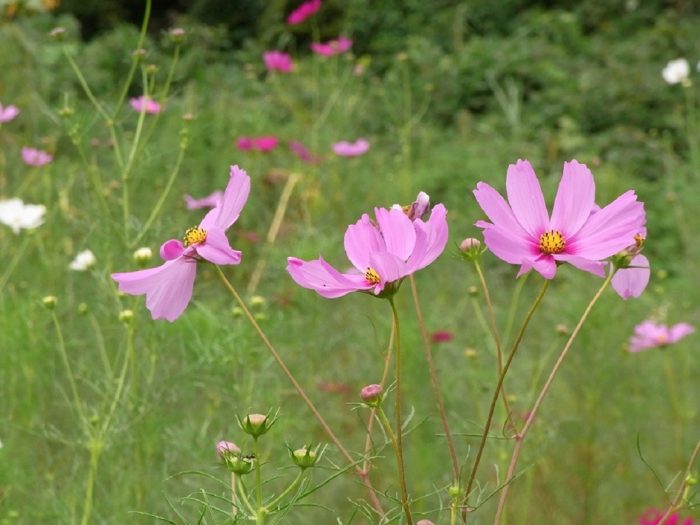
| ◆ 海沿いの庭にコスモス風に揺れ ◆ コスモスの季節に花壇の散歩かな ◆ 湾の庭コスモスダリア吾亦紅 ◆ ひな菊が秋を告げるかそっと咲き ◆ 青空に高く顔上げ金木犀 ◆ 海面近く鴎群れ飛ぶ秋の朝 10/24 |


| ◆ リハビリを初めて楽しと思えし日 ◆ リハビリの我が背を押すや秋の風 ◆ 秋風を受けて一歩ずつ進む ◆ 心地よし雑木色づく歩行コース | ![]() |
| ◆ 今年(kozo)もまた空高く咲くコスモスよ ◆ ひそやかに強く香るや秋の薔薇 ◆ ノイバラの小さき赤い実揺れる秋 ◆ 野菊咲く里山の道に思い馳せ ◆ 小菊あり思い出はいつも「人形展」 ◆ 遠い日に父の愛でたる懸崖菊 |


11/17 急に寒くなり、Daycareの大きな浴室も外の冷たい雨に曇りがち。
| ◆ 秋雨に浴室かすみ声くもる ◆ 秋風にふと見渡せば樹々寒し ◆ 夕空に三日月冴えて冬近し |
| ◆ 冬日浴び浴槽に左腕伸ばしてみる(”Very Good” by Ms. Mur)11/22 ◆ 秋の午後「からたちの花」そっと弾き ◆ みちのくの山道に咲く白き花(一緒に弾いた「北秋の」より・・) ◆ 海を行く釣船に一羽冬鴎 (12/6) (”Good” by Ms. Mur) ◆ 里山の陽だまりに咲く冬のひまわり(12/13 at Komorebi) ◆ 湯気の立つ浴槽に二つ三つ冬の柚(12/20 at Komorebi) | ![]() |
12/27 俳句を考える時間があるのはこもれび浴槽の3分間!今日もまた駄作と知りつつ句作かな。
| ◆ こもれびの浴槽私の俳句室 ◆ 冬枯れの山を見上げて句作かな ◆ 🌸冬枯れの山にかそけき日差しあり ◆ 葉牡丹に黄菊金糸の正月飾り | ![]() |
French Study_1
é:アクサン テグュ à:アクサン グラーヴ;アクサン テグュの反対、右肩下がりのチョン「`」は、アクサン グラーヴ(accent grave)というもの。é・à・ô・ï・ç Bonjour. Je voudrais un café, s’il vous plaît.
Les Champs-Elysées Le Temps des Cerises
「サクランボの実る頃」・「オー・シャンゼリゼ」解説 ★「フランス語の基礎」YouTube ★「フランス語の発音」 Viens Bien ★おフランスの地図!
この記事がどこにあったか思い出せない。FauréのRequiemだった。
- 「´」は【アキュート・アクセント】と呼ぶ
- Windowsで「é」を入力する手順
- Windowsの場合は入力モードを「ひらがな」に変更してShift+Eキーで大文字のEを入力。この段階でも変換候補が表示されるが、このリストの中に「é」はない。スペースバー横の変換キーを2回入力することで先ほどとは異なる変換候補が表示。その中に「é」があるので、マウスでクリック、もしくは入力したいéのところまで変換キーを押し続け、辿り着いたところでEnterキーを入力。test;é(Eと入れてからスペースバー横の変換キーを2回押すと選択肢が出る。)é é é
- iPhoneで「é」を入力する手順
- iPhoneで「é」を入力する手順
- iPhoneでは英字キーの「e」を長押しすることでさまざまなタイプの候補が出るので、入力したい文字があるところまで指をスライドさせます。
- カタカナのエ(全角)をタイピングしてもできた!E ⇒é(笑)
| Bonjour | [bɔ̃ʒur] /bɔ̃ʒuːʁ!/ | おはよう |
| Je voudrais un café, s’il vous plaît. | コーヒーお願い | |
| Allons-y! | /alɔ̃z-i!/ | |
| Au revoir! | /o ʁəvwaːʁ!/ | |
| フランス語の実生活での基本フレーズ 〜音声と発音記号 Bien sûr! Bien! /bjɛ̃!/ Bienvenue! /bjɛ̃vəny!/ Bonjour! /bɔ̃ʒuːʁ!/ Bonne chance! /bɔn ʃɑ̃ːs!/ Bonne nuit! /bɔn nɥi!/ Bonsoir! /bɔ̃swaːʁ!/ Combien ça coûte? /kɔ̃bjɛ̃ sa kut?/ Comment allez-vous? /kɔmɑ̃t- ale-vu?/ Comment vas-tu? /kɔmɑ̃ va-ty?/ Comment vous appelez-vous? /kɔmɑ̃ vuz- aple-vu?/ Comment ça va? /kɔmɑ̃ sa va?/ Comment? /kɔmɑ̃?/ Comprenez-vous? /kɔ̃pʁəne-vu?/ De rien! /də ʁjɛ̃!/ Enchanté! /ɑ̃ʃɑ̃te!/ Est-ce que vous parlez anglais? /ɛ-s kə vu paʁle ɑ̃ɡlɛ?/ Est-ce que vous pouvez l’écrire? /ɛ-s kə vu puve lekʁiːʁ?/ Est-ce que vous pouvez m’aider? /ɛ-s kə vu puve mede?/ Et toi? /e twa?/ Et vous? /e vu?/ Excusez-moi! /ɛkskyze-mwa!/ Il n’y a pas de quoi! /il nj- a pa də kwa!/ J’ai vingt-et-un ans. /ʒe vɛ̃t-e-ɛ̃n- ɑ̃./ J’ai chaud. /ʒe ʃo./ Je suis malade! /ʒə sɥi malad!/ Je vais bien! /ʒə vɛ bjɛ̃!/ Merci beaucoup! /mɛʁsi boku!/ Merci! /mɛʁsi!/ Monsieur! /məsjø!/ Non! /nɔ̃!/ Non, merci! /nɔ̃, mɛʁsi!/ Où sont les toilettes? /u sɔ̃ le twalɛt?/ Pardon! /paʁdɔ̃!/ Qu’est-ce qu’il y a? /kɛ-s ki- j- a?/ Qu’est-ce que c’est? /kɛ-s kə sɛ?/ Qu’est-ce que c’est que ça? /kɛ-s kə sɛ k sa?/ Qu’est-ce qui se passe? /kɛ-s ki s pas?/ Quel âge avez-vous? /kɛl aʒ ave-vu?/ S’il vous plait! /sil vu plɛ!/ Très bien! /tʁɛ bjɛ̃!/ Très bien, merci! /tʁɛ bjɛ̃, mɛʁsi!/ Un moment, s’il vous plait! /ɛ̃ mɔmɑ̃, sil vu plɛ!/ |


French Study_2 “Samson et Dalila”
Voici le printemps nous portant des fleurs
♪Samson et Dalila, Chor der Philistines (花を運ぶ春が来た)(kyoko先生の歌あり)

【さくらんぼの実る頃 Le Temps des Cerises】フランス語歌詞朗読と解説 紅の豚ジーナが唄う恋のシャンソン 発音のコツ、パリ・コミューン

【オー・シャンゼリゼ フランス語歌詞和訳&解説】観光情報も!
Les Champs-Élysées
Je m’baladais sur l’avenue
Le coeur ouvert à l’inconnu
J’avais envie de dire bonjour
À n’importe qui
N’importe qui et ce fut toi
Je t’ai dit n’importe quoi
Il suffisait de te parler
Pour t’apprivoiser
Aux Champs-Élysées
Aux Champs-Élysées
Au soleil, sous la pluie
À midi ou à minuit
Il y a tout ce que vous voulez
Aux Champs-Élysées