車いすお出かけガイド より 2024/sept


三浦半島 城ヶ島 車椅子観光ガイド バリアフリー情報

城ケ島へのアクセスは車が便利です。島に架かる「城ケ島大橋」は、昼間の通行は有料です。通行料金は障がい者減免制度があり、障害者手帳等の提示で半額(端数切上げ)に減免されます。有人ゲートで手帳を提示してください。第一駐車場に身障者用駐車区画が1台分あります。このエリアにある2か所の公衆トイレには、バリアフリートイレが用意されています。城ケ島には6つの「ワンデーパス駐車場」があります。駐車料金の障がい者減免制度があり、障害者手帳等の提示で無料に減免されます。スタッフがいる駐車場は入場時に手帳を提示して減免措置を。

神奈川県の三浦半島には、車椅子で利用できる施設が数多くあります。横須賀港から葉山へと、海沿いのルートを中心に三浦半島を一周するドライブコースで、障がいのある家族と一緒の出掛け先にお薦めできる、バリアフリー施設やお店、観光スポットを紹介します。

 ★三浦市観光協会 吉田さん046-888-0588


Kanea 4.2(679) · ¥1,000–2,000 · 魚介料理 21.8 km · Miura, Kanagawa 090-6019-2822

Shibukitei 4.1(596) · ¥1,000–2,000 · 魚介料理 21.6 km · Miura, Kanagawa Hamadaya 4.3(329) · ¥1,000–2,000

★磯料理 いけだ 046-882-1421 Seaside House  046-882-3418 Coffeeだけでも可(営業時間注意)

一般社団法人 生きるちから舎  障がいと共に生きる家族の羅針盤

<夏の季語> 夏の季語(きごさい時記)

夏の季語:8月の季語には以下のようなものがあります。

秋出水、盆波 秋され、秋めく、残暑、処暑、新涼、八月、初秋、文、立秋、禾すなはち登る、寒蝉鳴く、鷹鳥を祭る、天地始めて粛す、涼風至る、白露降る

秋の雷、秋の初風、有明、天の川、送りまぜ、御山洗、初嵐、二つ星、盆東風、盆の

九月 葉月 仲秋 秋意 二百十日 秋の朝 秋の昼 秋夕焼 秋の夜 秋の朝 野 分  長き夜  葡 萄  秋の色 南 瓜  さやけし 赤蜻蛉  新 藁  銀 河 秋高し 夜 長  秋の雲 さんま 秋高し 秋 燕 高 潮 秋の潮  胡 桃 天高し 夜 長  秋の雲 天の川  水澄む  唐辛子  秋の潮  ひぐらし 銀 河 秋の野 秋めく  鳳仙花  秋の雲  花 野  山葡萄 虫の音  虫の音  バッハ モーツアルト 白粉花  萩  夕月夜 碇星〈カシオペア〉 草の穂 花 野  秋彼岸  秋の空  虫  野 分  秋 分 曼珠沙華  立 待 鰯 雲  薔薇


秋の海 秋サバ 太刀魚 サンマ イワシ 酒 秋あざみ 吾亦紅 露 粟 桃 梨 葡萄 木犀 鯖雲 芙蓉の実

6月;残り(1)  友人たちとロシア民謡(と証して歌われた歌曲)「道」の勉強。今も続くロシアの侵攻によるウクライナでの戦争。「道」は、ウクライナ東側に広がるヴォルゴグラートの戦場となった草原を歌った歌。

◆ 💮友と歌ロシア語の”道”梅雨の午後  (6/26 サロン) 💮(湘舎先生”共鳴”句)
◆ 友と想うヴォルゴグラートの草原
◆ 💮この夏も果てなき(ブーリャン)草原駆ける兵       💮(湘舎先生”共鳴”句)

7月

◆ 外つ国の子に浴衣着せ夏祭 (7/14)
◆ 世変われどもすいかと駄菓子の夏祭
◆ 💮お囃子を遠くに聞くや夏祭    💮(湘舎先生”共鳴”句)

 7/24 真夏の満月

◆ 夏の夜や満月の影海に映え

9月

◆ 遅咲きの向日葵も頭たれ夏はゆく  (9/4)
◆ 💮秋近しケヤキの下葉色づきぬ   💮(湘舎先生”共鳴”句)
◆ 名も知らぬ鳥も渡りてゆく季節   

★9/14-21

◆ 紅色のぼんぼり散らす千日紅 (9/14)
◆ 💮非熟練移民労働者にも秋   (暑くて苦しい夏も過ぎゆく)  💮(湘舎先生”共鳴”句)
◆ 遠足の幼稚園バス動物園  (9/21 金沢動物園にきれいな色の幼稚園バスが続々と) 

9/25

◆ 三月ぶり庭を歩けば秋の風   久方に庭を歩けば秋の風 (湘舎先生)
◆ 背中押す秋風涼しリハ歩行 

10月

◆ 快晴の工事現場や赤とんぼ (10/2)
◆ 秋空やいつもより遠くまで歩き  (10/11)  いつもより遠く空 (湘舎先生)

11月

◆ わびしげに海辺の岩影吾亦紅 (11/8) 

11/10傘寿のお祝いの会// インターコンチネンタルホテルにて

◆ 秋の午後港眼下の祝い膳 
◆ 久しぶり山下公園銀杏並木  (病気後の外出も久しぶり)
 いつの間にか公園銀杏黄葉(momiji)して (湘舎先生)
◆ 午睡する子らといて秋惜しむ  (お出かけ・介護疲れか、実家で午睡する子供たち・・) 

11/17  11月なのに陽ざし暖か、室温27℃

◆ 海眺む部屋に(秋)呼ぶ小菊かな   (湘舎先生)
◆ ベランダに名残の向日葵日日草               ★ここまで湘舎先生へ報告

★11/20

◆ 秋の午後楽しや友と旅話
◆ 友ありて旅の話や秋の午後

★11/22

◆ 秋深し友より長き便りあり
◆ 稜線の上にぽっかり秋の雲

12月 12/17 At Komorebi SS

◆ 「こもれび」の中庭今年もクリスマス
◆ ひとりして眺めし窓の冬木立
◆ 冬晴れや雑木林に白い雲
◆ 個室にて窓を見やれば冬雑木
◆ 豊穣のブルックナー聴く冬の朝

Top Page

ハス

ハーブ

ハス

薔薇


US


紫陽・花桔梗・・

まとめて!

大船フラワーセンターDiary 2009-2025

Top Pageへ

 私がただ見たいのはアヤメ。イチハツ、カキツバタ、ハナショウブではダメなのだ。私の「アヤメ」は、昔住んでた家の前の家の横に細い川(溝)があり、そこに並んで咲く濃い紫色のあのあやめなのだ。今年は見逃してしまった。来年のカレンダーにはもうMarkした!

鎌倉-龍宝寺のあやめ(5月初め)

アヤメ

アヤメの基本データ 【分 類】アヤメ科/アヤメ属 多年草 【学 名】Iris sanguinea 【英 名】Japanese Iris 【開花期】5~6月【花の色】青紫、白【草 丈】~70cm

 カキツバタ

ノハナショウブ

ハナショウブ 

【ハナショウブとは】・日本に自生するノハナショウブを改良して作出された園芸植物で、観賞を目的として各地の庭園や公園に植栽される。アヤメと俗称されることが多く、乾燥した陸地に咲くアヤメと混同されがちだが、草丈や花弁はアヤメよりも明らかに大きい。

【ノハナショウブに似ている草花】アヤメ ・カキツバタ ・イチハツ ・キショウブ ・ヒオウギ ・ヒオウギアヤメ ・シャガ

Top Page

  台  湾  有  事   他国の指揮系統下で共に武力行使 

「台湾有事=日本有事」は荒唐無稽(2024/6/5川中敬一)

早稲田大学・長谷部教授1
「台湾有事と言われてますが、アメリカも日本政府も『一つの中国』論をとっているはず。もし万一、中国が台湾に武力攻撃を仕掛けることがあってもそれは中国の国内問題のはず。日本はもちろんアメリカでさえ武力介入する根拠は全くない」

早稲田大学・長谷部教授2
「憲法のどこを読んでみても、国際秩序を守るために他国と共同して、場合によっては他国の指揮系統下に入って、共に武力行使するという結論が出てくる余地は到底あり得ない。もう一度憲法を読み直していただきたい」

「台湾有事=日本有事」は荒唐無稽 6/5

毎日新聞記事:Full TEXT

 台湾で5月20日、新総統に与党・民進党の頼清徳氏が就任した。国際社会では「台湾有事」が切迫しているかのように言いはやされているが、中台情勢のエキスパートである川中敬一・元日本大学教授は荒唐無稽(こうとうむけい)だと言う。
 脅威ばかりがあおられ、現実的な議論が乏しい風潮を憂え、今回、重い口を開いた。「確かに台湾有事が現実のものとなれば、日本が武力攻撃の対象になる可能性はあります。ただ、それは米国が台湾防衛を口実に中国を攻撃し、日本が米国に言われるままに軍事行動に関与するケースに限られます。」

Top Page

Teaser trailer de The Boy and The Heron — 君たちはどう生きるか subtitulado en inglés (HD)

「君たちはどう生きるか」の意義 

米映画界の最高峰、アカデミー賞を受賞した宮崎駿監督(83)の長編アニメ「君たちはどう生きるか」は、太平洋戦争中に火事で母親を亡くした少年の心の葛藤を描いた。「困難で激動の今の時代に対し、強く問いかける傑作だ」。米国でジブリ作品を研究する第一人者の米タフツ大のスーザン・ネイピア教授 Susan Napier(68)は、世界で戦争が続く中での受賞を「痛切な意義がある」と評した。2001年9月11日の米中枢同時テロ後の価値観の変化を指摘する。「残念だが、世の中はハッピーエンドでは終わらない、善人が勝つとは限らないという大きな警鐘になった」。9.11以降、宮崎監督が描き出す複雑で矛盾に満ちたリアルな世界観が若者を中心に共感を呼んでいるという。

解説
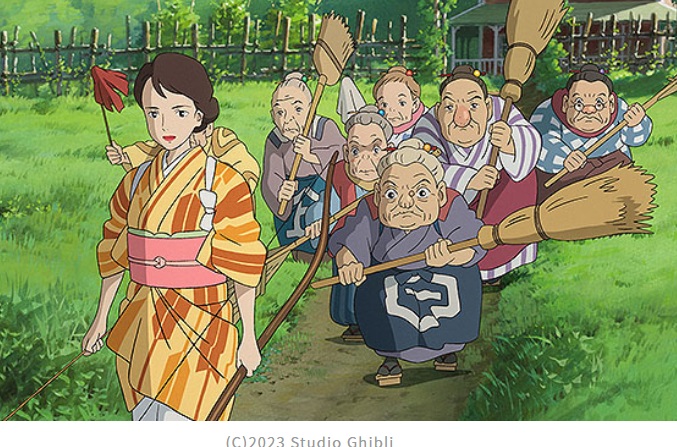
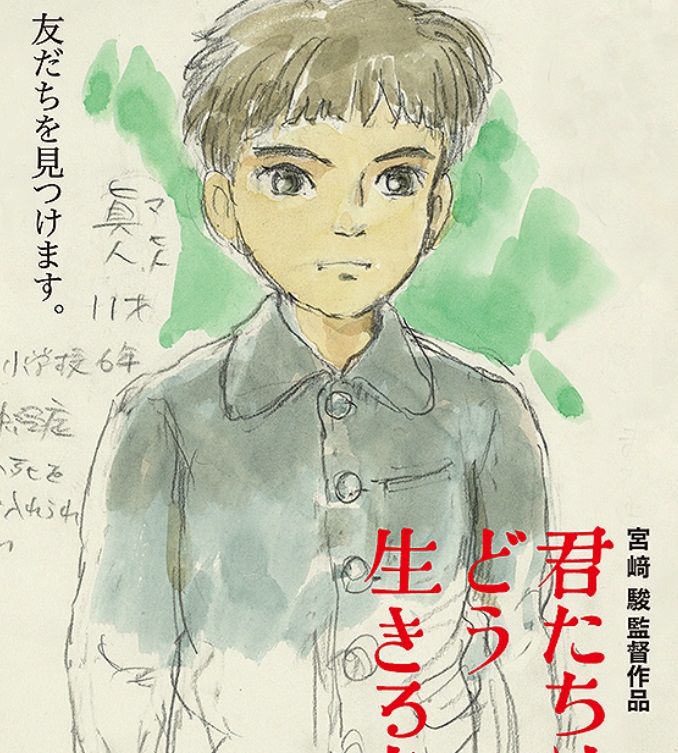
宮崎駿監督が2013年公開の「風立ちぬ」以来10年ぶりに世に送り出した、スタジオジブリの長編アニメーション。「風立ちぬ」公開後に表明した長編作品からの引退を撤回して手がけ、宮崎監督の記憶に残るかつての日本を舞台に、自らの少年時代を重ねた自伝的要素を含むファンタジー。母親を火事で失った少年・眞人(まひと)は父の勝一とともに東京を離れ、「青鷺屋敷」と呼ばれる広大なお屋敷に引っ越してくる。亡き母の妹であり、新たな母親になった夏子に対して複雑な感情を抱き、転校先の学校でも孤立した日々を送る眞人。そんな彼の前にある日、鳥と人間の姿を行き来する不思議な青サギが現れる。その青サギに導かれ、眞人は生と死が渾然一体となった世界に迷い込んでいく

宮崎監督が原作・脚本も務めたオリジナルストーリーで、タイトルは宮崎監督が少年時代に読んだという、吉野源三郎の著書「君たちはどう生きるか」から借りたもの。アメリカでも高い評価を得て、第81回ゴールデングローブ賞では日本作品で初めてアニメーション映画賞を受賞し、第96回アカデミー賞でも宮崎監督作およびジブリ作品として「千と千尋の神隠し」以来となる2度目の長編アニメーション賞受賞という快挙を成し遂げた。2023年製作/124分/G/日本 配給:東宝    (映画.com「オッペンハイマー」) Oppenheimer Official Site(日本語予告編)

米津玄師「地球儀」× 宮﨑駿「君たちはどう生きるか」Kenshi Yonezu – Spinning Globe (Hayao Miyazaki, The Boy and The Heron)
日本語多い! with Toshio Suzuki 

In a ‘vast and limitless world’: the grieving Mahito Maki encounters some ‘beaky interest’ in The Boy and the Heron. by The Guardian


The Boy and the Heron review
– overplotted Miyazaki still delights /This article is more than 2 months old


At 82, the revered director of Spirited Away and My Neighbour Totoro has made his most personal film yet – a sometimes unwieldy tale of a 12-year-old boy coming to terms with his mother’s death

It’s the film that the revered animator and co-founder of Studio Ghibli Hayao Miyazaki came out of retirement to make, and it’s arguably one of his most personal. The Boy and the Heron is a strikingly beautiful, densely detailed fantasy that revisits themes and devices familiar from previous films and ties them together with elements that have a clear autobiographical resonance for the director. The dream logic of the narrative seems to have been born from the untrammelled imagination of a child rather than that of a man in his 80s. The lush orchestral score, by regular Miyazaki collaborator Joe Hisaishi, is shimmering and exultant. All the elements are in place. So it seems almost churlish to note that this is middling Miyazaki at best.

Of course, a mid-level Miyazaki film is still a vastly superior entity to much of the more cynically commercial content served up by Hollywood animation studios. And it’s not as if the seductive spell has been entirely broken. But compared with, say, the beguiling simplicity of My Neighbour Totoro, or the richly realised world of Spirited Away, this sometimes feels heavy going. Some of that trademark Miyazaki magic has been stifled by overplotted, incoherent storytelling and an unwieldy final third act.

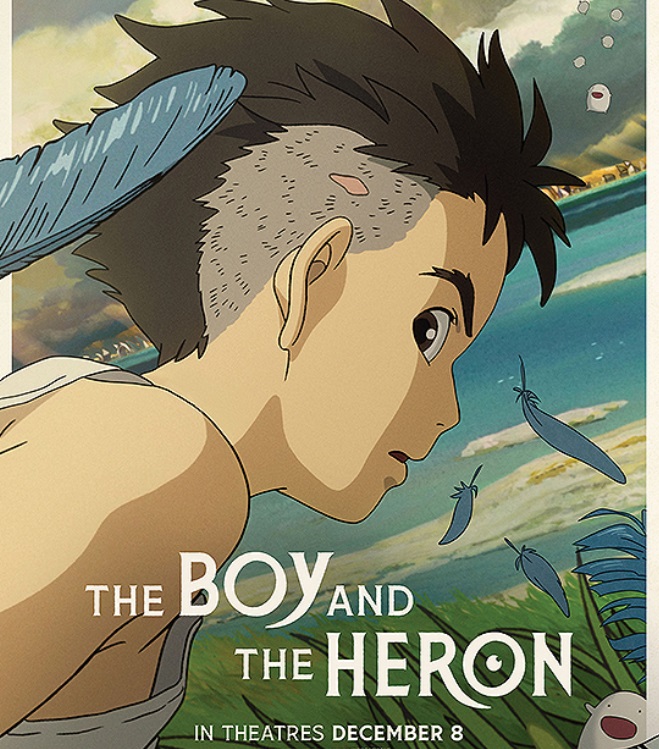
The backdrop, for some of the picture at least, before it slips into parallel realms, is early 1940s wartime Japan. The boy of the title is 12-year-old Mahito (voiced by Soma Santoki in the Japanese original version and Luca Padovan in the impressive English-language dub). Shortly before the main action takes place, Mahito loses his mother in a hospital fire after a bombing raid on Tokyo. The inferno engulfing the city has a disorientating, impressionistic quality that’s distinct from the precise visual style of the rest of the film, and this striking image of a burning city is one that Miyazaki has cited as one of his earliest childhood memories.

Mahito’s father is the boss of a factory that manufactures fighter planes (as was the director’s own father). He remarries, to his late wife’s younger sister Natsuko (Yoshino Kimura/Gemma Chan), and the still grieving Mahito is forced to relocate from Tokyo to the country estate where his mother and Natsuko both grew up. It’s a curious, cavernous place, populated by a staff of bickering, ancient crones; it comes with a lake and a bricked-up, semi-derelict tower in its grounds.It also has another resident: an insolent grey heron (Masaki Suda/Robert Pattinson) that seems to be taking a particular beaky interest in Mahito.

At the goading behest of the heron, Mahito enters the forbidden tower and finds himself drawn into a netherworld where timelines are knitted together and the infrastructure of the whole domain is controlled by some kind of high-stakes Jenga game. Fellow inhabitants of this world include Kiriko (Kô Shibasaki/Florence Pugh), a dashing sailor and fisherwoman who is skilled in magic, and the fire maiden Himi (Aimyon/Karen Fukuhara), as well as Mahito’s new stepmother, Natsuko, and a community of giant man-eating parakeets.For a director who is so famously preoccupied with the idea of flight, Miyazaki reveals an unexpectedly complicated relationship with birds in this picture. In addition to the monstrous parakeets that eye Mahito greedily, cutlery at the ready, there is also a flock of pelicans that feed on gentle floating creatures called the Warawara. And then there’s the heron, which soon loses its elegant avian form and morphs into one of Miyazaki’s less lovely creations, a wart-encrusted, goblin-like henchman in service to the ruler of this magic kingdom – an ageing wizard who, it turns out, has a connection to Mahito’s family. Ultimately, family – even a fractured, imperfect family scarred by loss – is elevated, forming the central spine of this picture, as it does in so many of Miyazaki’s movies.

Top Pageへ